


SASKATOON — Canola carryout will be burdensome in 2025-26 unless there are some abrupt policy changes in key markets, says an analyst.
Canadian farmers had record yields and produced a record crop of 21.8 million tonnes, according to the latest Statistics Canada estimate.
“When StatCan came out with that, I expected futures to drop harder than they have,” Chuck Penner, analyst with LeftField Commodity Research, told delegates attending last month’s Canaryseed Development Commission of Saskatchewan’s annual general meeting.
Read Also
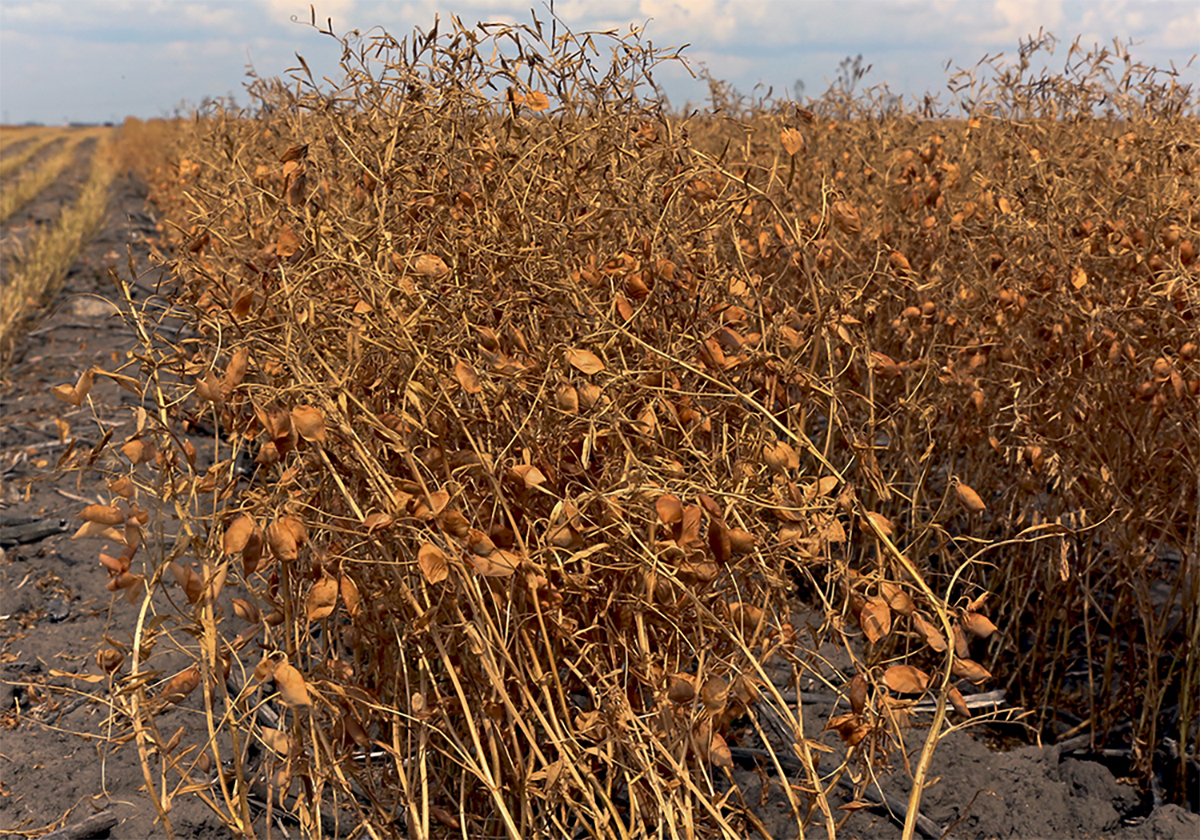
Red lentils priced higher than large greens
Red lentil prices have eclipsed large green lentil prices for the first time since 2014.
He thinks the market had already priced in a record crop.
There are also larger crops in the European Union, Australia and Russia.
Penner is being cautious on his 2025-26 canola export estimate because of China’s tariffs on Canadian canola oil, meal and seed.
He is forecasting a 6.6 million tonne program, down from 9.3 million tonnes last year.
Why it Matters: Heightened demand will be critical in mopping up excess supply of the oilseed.
Penner said the increased crush will only partially offset the lost export sales.
He has penciled in 12.5 million tonnes of crush, up from 11.4 million tonnes last year, due to the addition of Cargill’s plant in Regina and the doubling of Louis Dreyfus Company’s capacity at its Yorkton crush facility.
One day after his presentation, the Regina Leader-Post published an article saying that Cargill’s project has been delayed.
The opening of the $350 million plant is now scheduled for the spring of 2026 instead of the end of 2025.
“Like many large capital projects, the construction timeline has been influenced by a range of factors, including weather, equipment lead times and construction logistics,” said Cargill president Jeff Vassart.
Penner said crush performance will largely depend on what the United States decides to do about importing Canadian canola oil for use as a biofuel feedstock, a policy decision that is still very much up in the air.
Year-to-date exports are well below last year’s pace, but that is partially because China front-loaded its imports “tremendously” last year.
However, seed exports are also significantly below the five-year average due to China’s 75.8 per cent anti-dumping duty on Canadian canola.
Sales to other markets have been strong as lower prices spurred demand, so Penner is confident Canada can meet his 6.6 million tonne target.
Canada’s canola oil sales to the U.S. biofuel market have been tepid so far in 2025 compared to the strong program in 2024.
The lack of clarity in biofuel policy in that market has made importers nervous. That is why Canada’s crushers have been operating at reduced capacity levels.
Penner is forecasting 4.7 million tonnes of canola carryout, an 88 per cent increase over last year.
However, he said China could roll back its tariffs on oil and meal or seed or the U.S. could enact biofuel policies that are more favourable to canola feedstock.
Either of those two favourable policy moves could change the outlook considerably.
Canola futures experienced the usual seasonal fall bounce, despite all the headwinds, and will likely peak in May, although the highs will probably be more muted than usual, said Penner.