
We have now crossed the quarter mark of the year and markets have been “interesting.”
I entered the year more reserved than my usual bullish stance, as covered in my February 12 column “2025 was a year of surprises. 2026 will have more.”
I hope sharing these approaches helps your portfolio management. I recognize the stock market is likely a low priority at a time when you’re scrambling with pricing and supply of a couple of your most critical inputs as you prepare for spring seeding.
Read Also

Great farm leadership requires curiosity
Understanding how men and women process, respond and communicate is one of the most overlooked leadership skills. And it changes everything.
At quarter-end, the Canadian TSX was up 3.3 per cent year-to-date, while the S&P 500 was down 4.6 per cent. Markets remained in a positive mood early in the year, but by late March both indices were down almost 10 per cent from their peaks, underlining the volatility we have experienced.
My reservations were based on high valuations, slowing economies and geopolitical uncertainty. The Iran war significantly escalated the geopolitical uncertainty, with current market action largely related to the latest Iran headlines.
Despite neutral index returns and volatility my accounts have performed well, all being up in the seven- to eight-per cent range, which is satisfying after the modest returns experienced last year. I can attribute this performance to the following factors:
- Our conservative managed TFSAs and RRSPs have always focused on dividend paying, profit-making companies that are now coming back into vogue rather than speculations and expensive technology stocks.
- Energy stocks have performed well in the current environment and those who have read my work over the years will understand that I never bought into the narrative about the demise of fossil fuels.
- In my aggressively managed taxable accounts, I had purchased more downside protection (insurance) than ever before. While these protections generally cost money, they smooth out volatility.
- I am carrying more cash in accounts than before and while it remains modest at approximately 10 per cent it provides funds for new purchases if, and when, better values emerge. For the most part I still believe cash is a waste of money but was letting dividends accumulate and periodically selling stocks that looked overvalued while curtailing new purchases.
While there has been volatility, it is surprising how sanguine the stock market has been considering the geopolitical issues experienced.
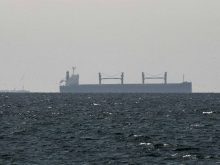
I am also surprised by how restrained oil and natural gas prices have been with the effective closing of the Strait of Hormuz. The price of natural gas in Europe has approximately doubled, being significantly reliant on liquified natural gas from the Gulf States, but its North American price has declined.
Surplus North American production continues, even with significant exports from the U.S. and LNG Canada coming online.
North America is also self-sufficient in oil production, but our price fluctuates directly with world prices as it is more easily transported from areas of surplus to areas of shortage.
I have recently listened to numerous “experts” on the future of energy given renewed instability in the Middle East. Some think that oil will remain elevated compared to the recent past, while others think pricing will fall precipitously shortly after the war ends as renewed production meets demand destruction from the temporary high prices.
I lean towards the higher price scenario due to industry underinvestment over the past decade but I will still probably make some profits soon.
I never approach the markets as an all-or-nothing deal and will slowly sell into the strength. I also recognize that if the experts can’t agree, how would I know? And, if the experts did agree, the opposite would probably happen.
I would also like to expand on how I insure taxable portfolios. I have used four approaches:
- I sell some covered calls on stocks that look fully valued.
- I buy puts on the S&P 500 and the Nasdaq indices.
- I also buy calls or sell puts on the volatility index referred to as the VIX.
- I have been holding more cash than usual, as described above.
A short article such as this one can’t possibly deal with all the nuances of using options in a portfolio. If you are interested, there are many sources for learning about options, including my book Stocks for Fun and Profit: Adventures of an Amateur Investor.
We can’t control or anticipate world events and how they shape the markets. We can only control our own actions in response to them. Sound investing practices remain effectively the same during turbulent times as during more benign environments. Panic — both the panic of missing out and the panic during downdrafts — will hurt long-term performance.
I plan on continuing to make pragmatic decisions, buying what looks like good value, holding for long periods and selling what appears to have become overpriced while maintaining broad diversification.
This is simple to write but it is more difficult to enact as emotions interfere.