
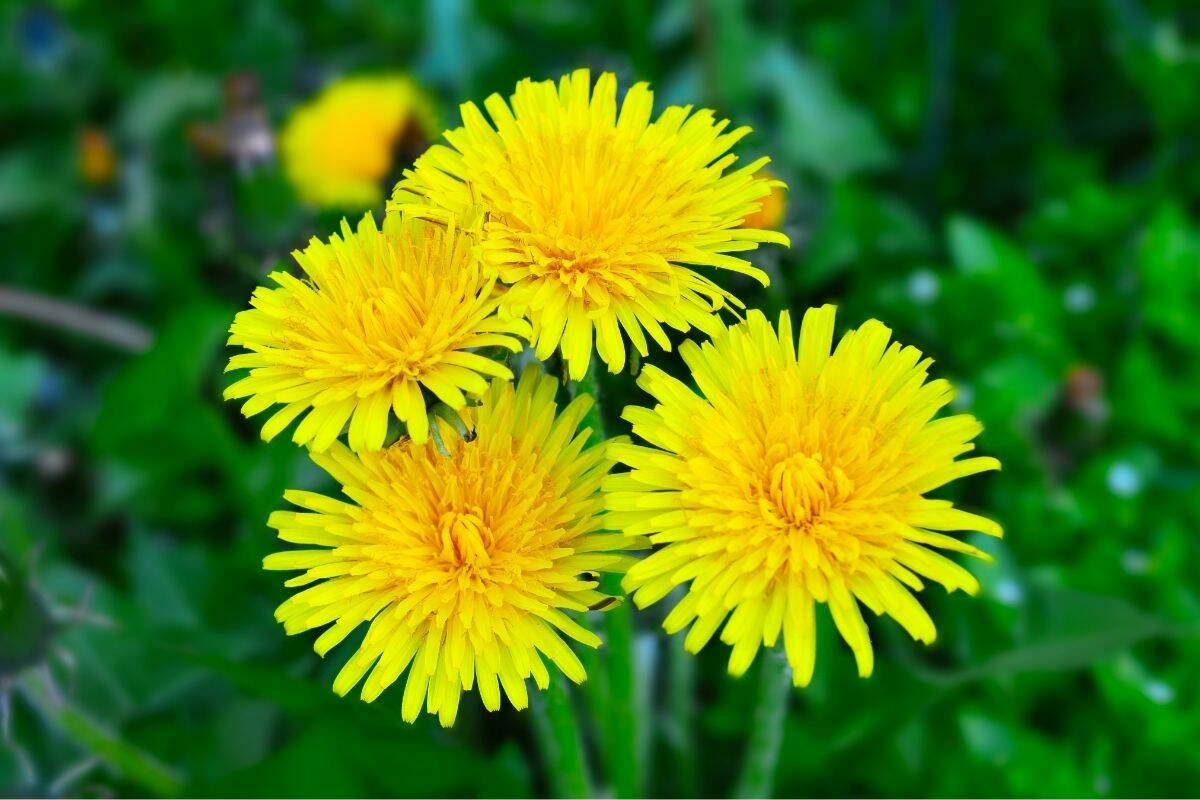
The Cultivating Wellness column explores natural health through food and herbal healing. You can expect to find recipes that support full-body health from the inside out.
Our natural environment has been a resource for humans for millennia. One of my favourite herbal teachings is that often the herbs that are most beneficial tend to grow right in our backyards across Central and Western Canada. They are easily harvested and offer robust nutritional benefits along with medicinal potential.
But first, a few ground rules. When it comes to gathering herbs from the wild (or your yard), it’s important to make sure they haven’t been sprayed with pesticides or herbicides. Ideally, you don’t want to gather near roadsides or in ditches.
Read Also

Shoulder pain: A common issue for farmers
Shoulder pain is one of the most common joint complaints we hear about at the clinic. This makes sense as the shoulder has a lot going on.
Ethically, we should not gather more than needed and leave enough for animals and pollinators.
A general guideline is that roots are best harvested early in the year or after the first frost. Leaves are best harvested before flowers or fruit bloom, and flowers are best harvested in peak season (mid to late summer).
Spring brings us a few powerful plants that support our digestion, immune systems, metabolic systems and overall health with their nutritive, bitter and gently stimulating properties. These early risers, usually the first to emerge on lawns across the country, include dandelion (specifically the leaf and root), broadleaf plantain (leaf) and young stinging nettle shoots.
Dandelion builds and repairs soil structure, replenishing minerals and removing toxins. Essentially, it can do the same for our bodies.
Dandelion is best harvested for its roots in early spring, before the flowers begin to shoot up, and while the ground is soft enough to dig them. I add dried dandelion root to soups. It can also be added to teas, stews or ground into powder and mixed with honey. Its roots are known to be supportive of kidney and liver health and provide a mineral-dense nutrition boost.
Dandelion leaves should be harvested before flowers emerge. They are also known to support the kidney and for their digestive and metabolic health benefits. They make a wonderful, if bitter, addition to spring mix salads and sautés (perhaps mixed with nettle) or added to teas.
Broadleaf plantain, abundant across the Prairies, is frequently found on lawn edges or driveways. It is a powerful poultice plant, with strong drawing power and it has well-documented antibiotic and antimicrobial properties. The leaves of plantain contain a ton of nutrition, but they are most known for their ability to ease the itch and pain of stings, bug bites and topical infections. Chew up a leaf to make a “spit poultice” to quickly relieve skin irritations.
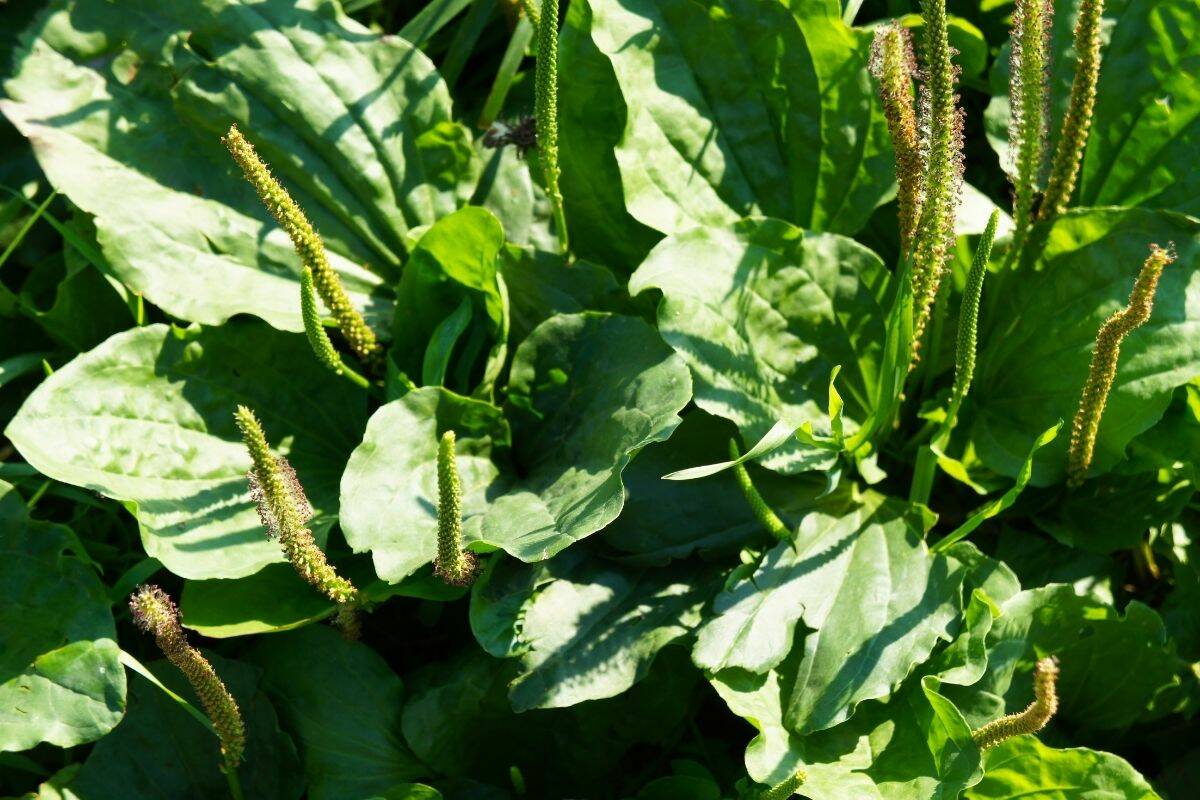
Fresh plantain leaves can be chopped and added to salads, soups or stews (it tastes kind of like spinach) or dry leaves for future use. It is also a powerful treatment for stomach bugs, urinary tract infections or throat infections when taken as tea or a gargle.
Stinging nettle is a renowned nutritive herb, full of minerals and essential vitamins, anti-inflammatory properties and even has an antihistamine effect which is wonderful for those with seasonal allergies. It’s best harvested as the first shoots and leaves are emerging. Simply pick the leaves (with gloves on if you don’t want a bit of sting!) and use it in soups, stews or sautéed with butter.
Spring leaf sauté:
- A handful of nettles, dandelion and broadleaf plantain leaves
- A pat of butter
- 1/4 c. onion
- 1/4 c. mushrooms
- 1 clove garlic
- Salt/pepper to taste
- A squeeze of lemon juice
Chop and wash the fresh leaves, add to pan with butter and sauté with onions and garlic until onions are clear and aromatic, and herbs are soft. Season to taste with salt, pepper and lemon. Add to eggs, toast, pasta or eat on its own.