


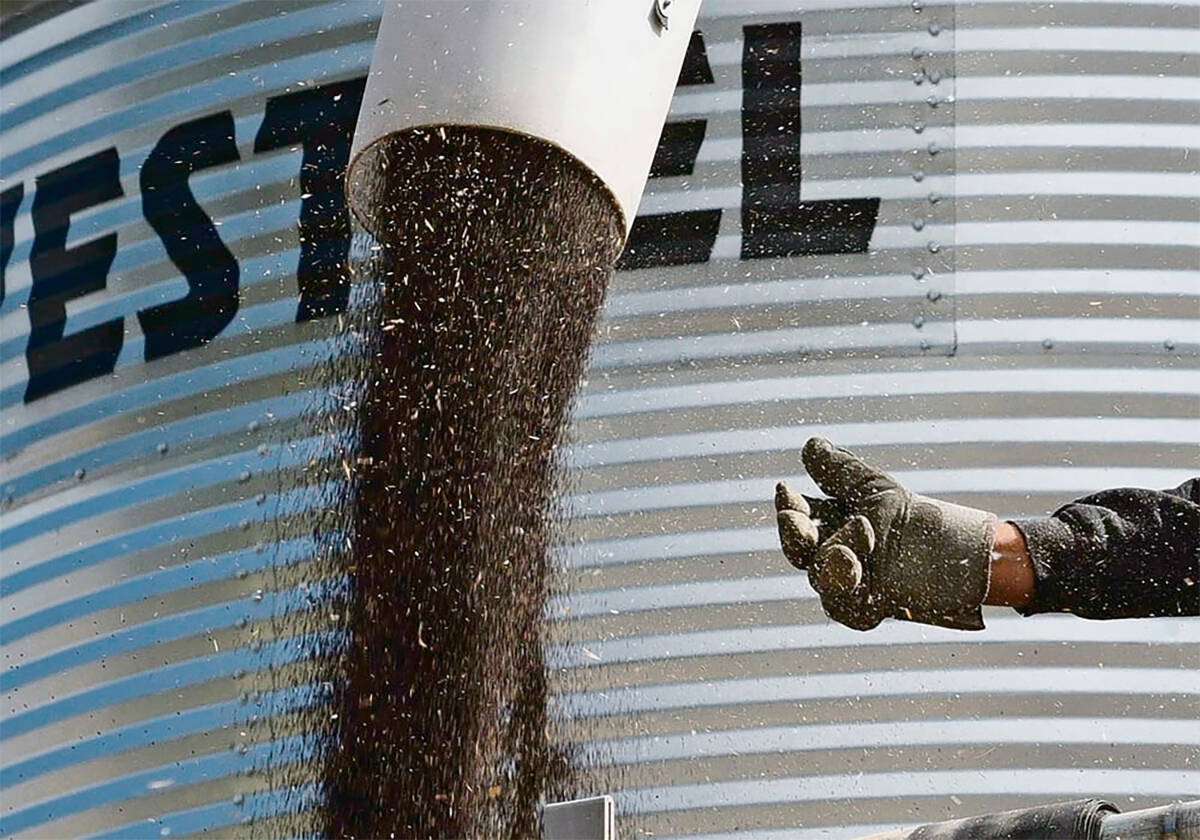
Should canola producers be compensated for the Chinese tariffs on canola seed, oil and meal?
The federal government has been willing to provide substantial support to the Canadian auto and lumber industries hit with American tariffs. One could argue that the government should be even more responsible for canola support, considering it was Canada’s tariff on Chinese electric vehicles that triggered the Chinese response.
Interest free cash advances were increased for canola producers, but you can’t borrow your way out of an income problem. The additional interest rate subsidy is tiny compared to the size of the industry.
Read Also
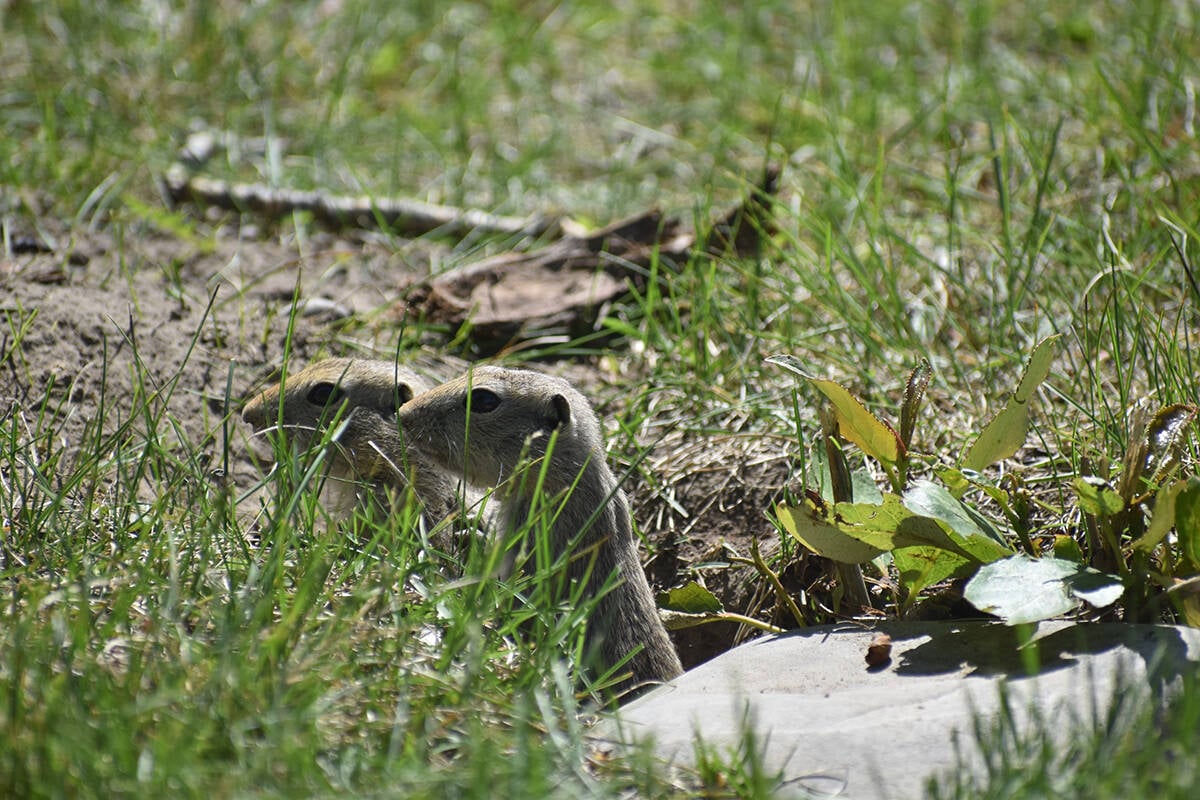
Strychnine should not be seen as a silver bullet for gophers
The emergency registration of strychnine for control of gophers in specified areas of Alberta and Saskatchewan may actually hamper control of the rodents.
Even the national media has finally twigged to the story and how it’s contributing to western alienation. Agriculture and Western Canada don’t seem to get as much attention and support as other industries and other geographies.
However, when you look objectively at the economics, it’s difficult to know the degree of hurt in the canola industry.
While it would be natural to think that farmers would be seeding less canola next year, canola prices are faring better than most other commodities.
Although seeding is five months away, producers are already ordering seed, cleaning seed and making plans for next year. No new crop price contracts are out, but canola futures prices for next November are basically on par with current prices.
Elevator and crusher cash prices have consistently been higher than $13 a bushel, which is about the same as a year ago. Spring wheat prices are a bit stronger and barley is similar to last year. Meanwhile, durum prices are lower with both lentil and field pea prices much lower.
Predicting where prices may go over the next year is very difficult, but based on current prices, canola still pencils out as one of the top options for net returns. This is despite canola planting seed remaining expensive and nitrogen fertilizer prices being elevated.
While it would be logical to assume reduced canola acreage next year due to the tariff situation, current indicators would point to as many or perhaps even more canola acres next year.
The November Outlook for Principal Field Crops from Agriculture Canada has an improved price projection for canola, one of the only crops to show improvement.
The department has increased its year-long average canola price expectation by $25 a tonne compared to its projection from October.
This year’s price projection on canola is now very close to last year’s price. The average price two years ago in 2023-24 was about $45 a tonne higher.
It should be noted that many analysts feel the official estimate of 2025 canola production is too low at 20 million tonnes and believe that number will increase when Statistics Canada publishes its final estimates on Dec. 4. That could potentially alter the price outlook.
In the other crops, most Agriculture Canada price estimates didn’t change from October to November, but there were a few notable price declines.
The mustard price expectation for the year is down $45 a tonne as compared to October. Canaryseed saw a major drop in November, down $80 a tonne.
The price expectation for flax has been heading downhill for several months. It dropped $50 a tonne in September, $25 a tonne in October and another $35 a tonne in November.
Getting rid of the Chinese canola tariffs should be a top government priority. Canola compensation is a tougher calculation and a more nuanced argument.