

With all the talk of booming demand in China and India, it’s easy to forget the obvious.
“The new demand is significant, but if you take biodiesel out of the picture, it’s a very different picture,” says Nancy DeVore, senior economic analyst with Bunge Global Agribusiness.
“Biodiesel is the big gorilla in the room.”
DeVore, who provided the world oilseed outlook at the GrainWorld conference in Winnipeg, said she sees no downside for oilseed prices on her radar because growth in demand is rising faster than supply.
Read Also
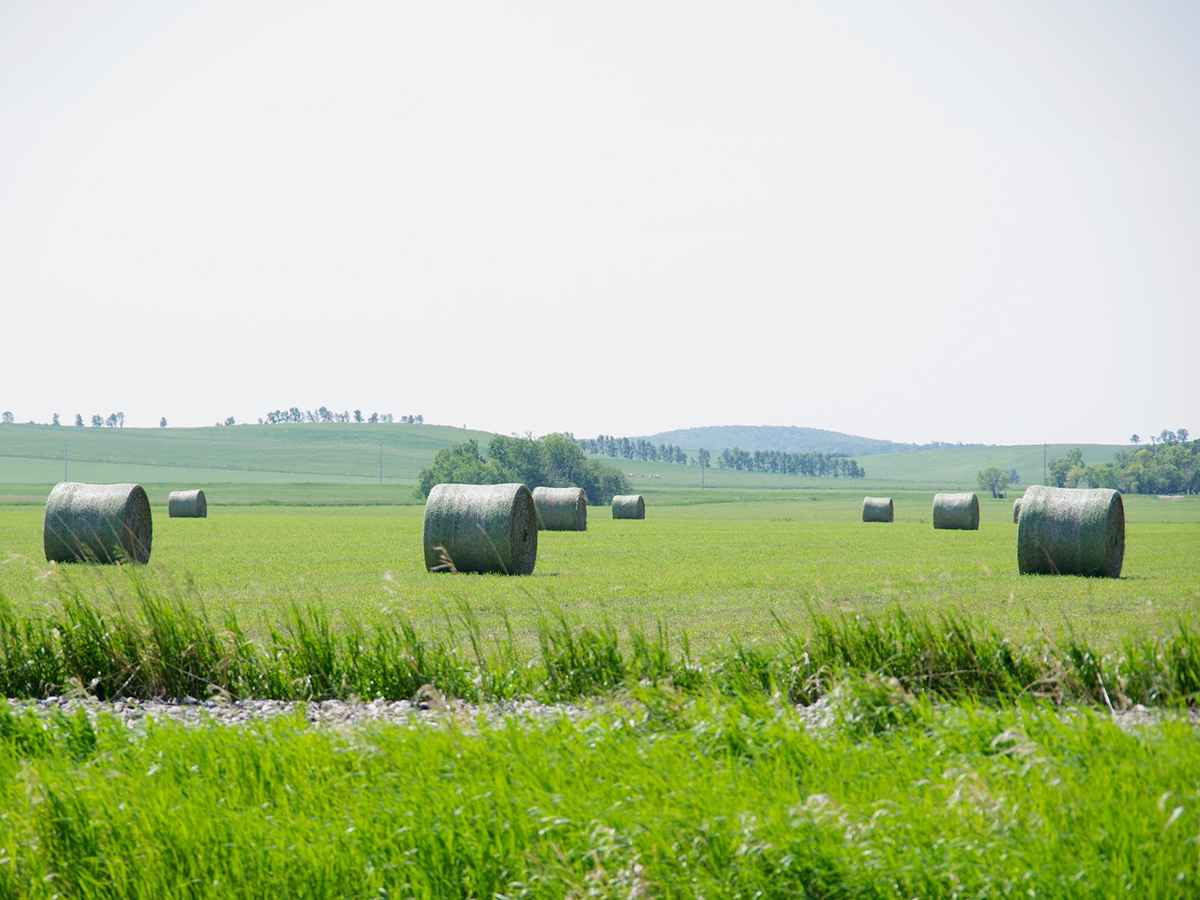
How Saskatchewan’s satellite forage insurance program is going to work
Saskatchewan Crop Insurance Corp.’s Satellite Forage Insurance Program is officially underway, having replaced the Forage Rainfall Insurance Program.
In 2008-09, she expects the world’s major exporters to produce 77.9 million tonnes of the major oils (palm, soy, canola, rapeseed and sunflower), which is up from 75.4 million tonnes in 2007-08.
The exporters include the United States, Brazil and Argentina for soy, Indonesia and Malaysia for palm, Canada and the European Union for canola and Argentina, Russia and Ukraine for sunflower.
That production represents a 29 percent increase from 2004-05, but DeVore said it isn’t enough because Bunge predicts demand of 79.5 million tonnes of vegetable oil in 2008-09, up four million tonnes from 2007-08.
“No matter how much crop or land you get, the market is not satisfied,” said DeVore, who works at Bunge’s global agribusiness division in Washington, D.C.
She said the biodiesel industry is growing rapidly in Europe, the United States and Brazil. The three regions will produce 12.5 million tonnes of biodiesel in 2008-09, she added, five times more than 2004-05.
The EU has the lion’s share of the production, and biodiesel plants in Europe are expected to process 9.1 million tonnes of rape, soy and palm oil in 2008-09. That is 2.5 million tonnes more than last year.
DeVore said the increased production will help fuel vehicles in France, where a 5.75 percent biofuel mandate took effect this year.
DeVore also predicted that China and India imports will be flat in 2008-09.
Her analysis suggests Chinese imports will decline slightly from 2007’s record high of 10.7 million tonnes of palm, soy and canola oil.
India’s imports will essentially match last year’s import of 6.6 million tonnes. Palm and soy oil constitute the vast majority of those figures, with a fraction going to canola.
A marginal spread between old and new crop futures backs DeVore’s predictions of a strong market for oilseeds. Speculators appear unconcerned about the potential of a huge soybean or canola harvest this fall.
As of last week, old crop May futures for canola were trading almost at par to the new crop November, with both valued at more than $700 per tonne. Soybeans are following the same pattern, with old and new crop trading at more than $15 US per bushel.
In Canada, DeVore said the high prices would lead to slightly more canola planted in 2008. She expects 15.5 million acres this spring, which would break last year’s record.
Despite the expected increase in world rapeseed acreage, DeVore is not the only analyst bullish on canola.
David Drozd, president of Ag-Chieve in Winnipeg, said oilseeds are in a demand-pull market.
“You cannot go wrong planting soybeans, sunflowers or canola,” he said.