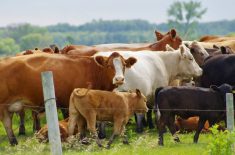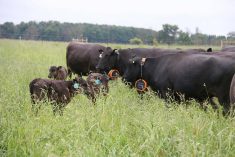


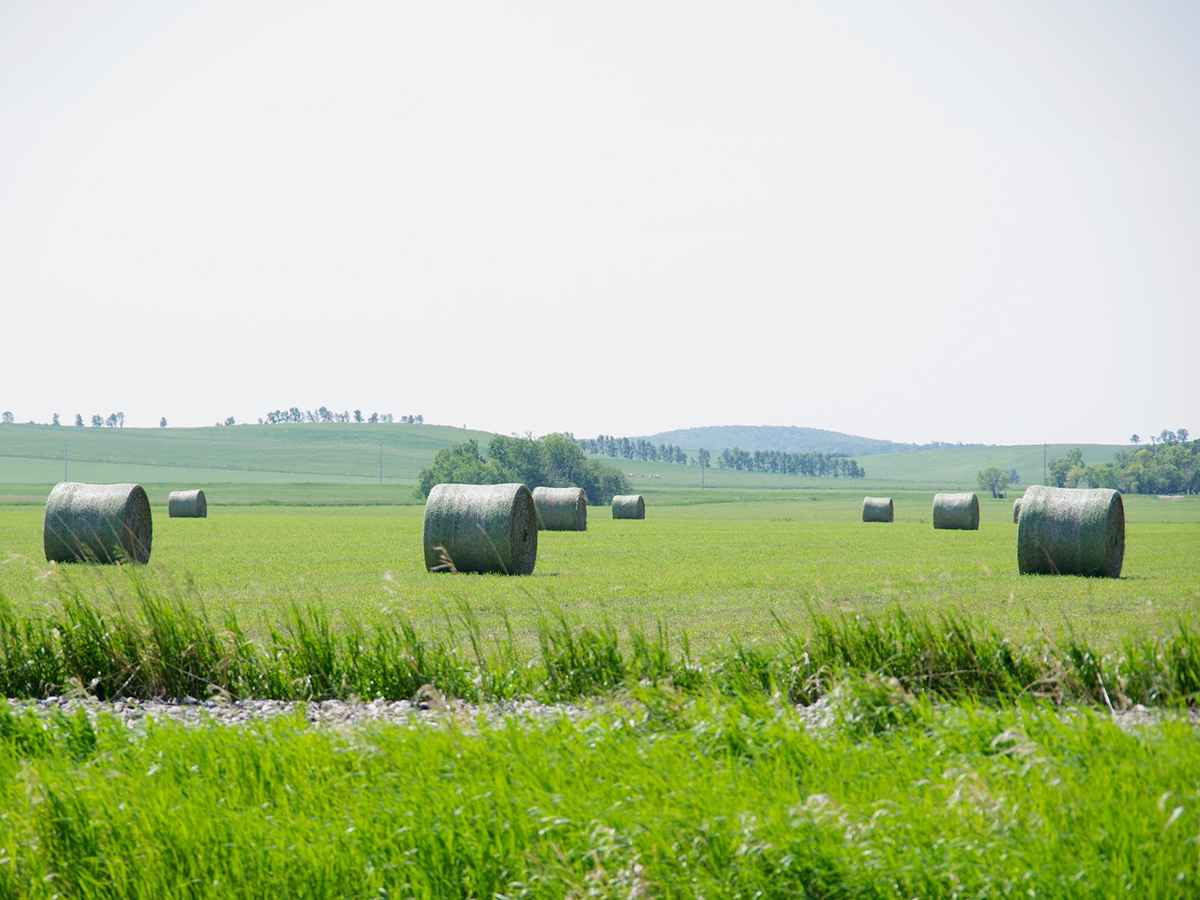
Saskatchewan Crop Insurance Corp.’s Satellite Forage Insurance Program is officially underway, having replaced the Forage Rainfall Insurance Program.
The move follows the Saskatchewan Ministry of Agriculture announcement in January.
The new program uses satellite-based technology to measure soil moisture content to the township, totalling 3,700 data zones compared to the previous 224 weather stations.
Read Also
Red lentils priced higher than large greens
Red lentil prices have eclipsed large green lentil prices for the first time since 2014.
“Soil moisture is measured using passive microwave satellites, which capture data on a near daily basis,” Janelle Kuntz, SCIC program manager, said at the Saskatchewan Stock Growers semi-annual meeting earlier this year.
“Smoke and cloud cover don’t interfere with the satellite’s ability to measure that soil moisture, and the satellites are capturing data at a much more local basis than what the weather stations were ever able to do.”
Why it Matters: The program change offers more accurate moisture data to farmers, with improved costs and timelines.
This program is different from the one previously used in Alberta, which measured greenness of above ground vegetation and production.
Saskatchewan’s will measure soil moisture, with the satellite imagery reaching 13 centimetres deep and includes the ratio of water volume to soil volume in a location, which is crucial to soil health, water cycling and assessing drought conditions.
The key measurement is the moisture that infiltrates the topsoil and remains there.
“Rainfall and snow and evaporation and wind that causes evaporation and soil texture, all of that impacts the amount of moisture in the soil,” added Lorelei Hulston, SCIC vice-president of operations.
The tech can also capture other environmental information, such as soil types, runoff and land surface temperature. However, the passive microwaves can’t measure through ice and snow and don’t recognize it as moisture.
Moisture conditions are measured every square kilometre and calculated to the township, with the legal land description of the insured section determining the township and the correlating premiums.
Premiums are determined using historical township information dating back to 2002, providing 24 years of data. Once the 30 year point is met, the data will roll forward to always include the most recent 30 years.
Until 2032, applicable information from 2002 will be used, but in 2033, the historical data starting point will be 2003.
“The coverage levels remain fairly comparable to what we had with the Forage Rainfall Insurance Program,” Kuntz said.
“There continues to be the high, medium and low dollar coverage, and that’s based on a per acre basis. The program still includes fire insurance as well.”
Premiums continue to be cost shared 60-40, with the government paying the larger portion. Coverage levels are the same as FRIP, but the indemnity is calculated differently. In most cases, the premium is lower than with the previous program.
As well, payouts are quicker, enabled by the real time data.
“This program triggers payments at 93 per cent of normal,” Kuntz said.
“That represents a 15 per cent roughly deductible in forage production, and so the producer carries that first 15 per cent as a deductible.”
Indemnity is fully paid out at 53 per cent of normal soil moisture.
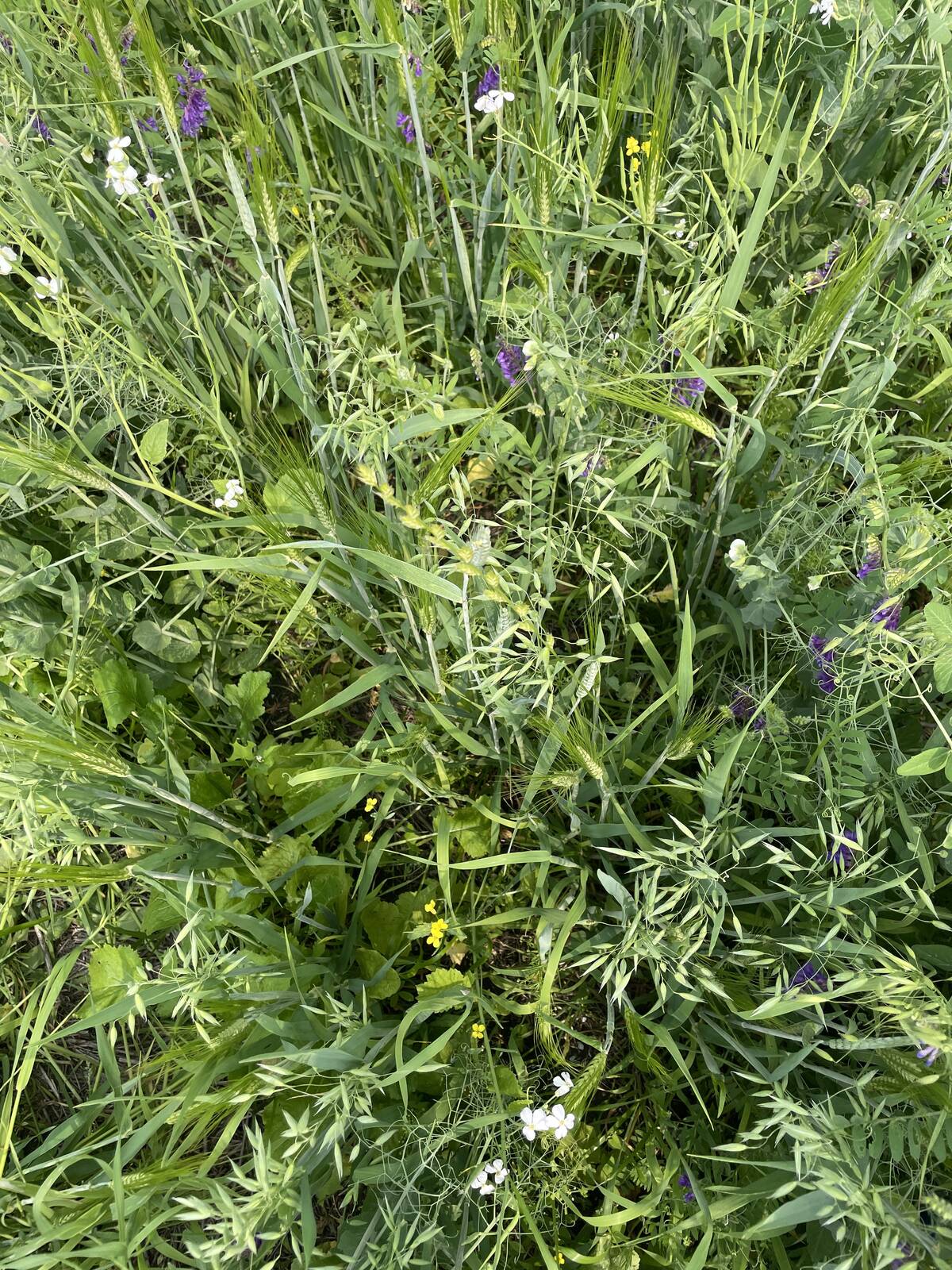
Producers previously enrolled with FRIP have been auto enrolled into the new program with default weighting of 30 per cent in May, 55 per cent in June and 15 per cent in July. April is not included.
The other option is weighting of 40 per cent for May, 50 per cent for June and 10 per cent for July.
During the SSGA meeting, a producer from southwestern Saskatchewan who grazed into fall asked about determining weighting for grazed land versus cut forage. For his ranch, July rain has a greater impact on his ability to graze longer.
Kuntz said that based on the mathematical analysis of historical hay crop data, May and June are greater determining factors of yield. Hay data is used because the crop is perennial, but it also applies to pasture.
With producer feedback, there could be adjustments made to the program for next year.
So far, only FRIP has been moved to satellite information, but SCIC’s goal is to move its other weather based programs to the system, including mixed forage rainfall, intercrop rainfall, corn rainfall and corn heat unit.
The research work for this conversion is still underway, but a lot of information still needs to be collected. The timeline is currently sitting past 2027.