

There are multiple sources of strength for canola prices, but farmers shouldn’t assume prices can keep surging higher, says a Bunge trader and risk management specialist.
If farmers plant 20 million acres this spring, even strong demand won’t stop canola prices slipping like they have in recent weeks.
“The current flat price is very rich,” said Nicholas Hoyt of Bunge at the Canadian Wheat Board’s Grain-World conference, referring to farmgate prices.
Bunge forecasts farmers will plant 19.5 million acres in decent spring weather and more than 20 million in excellent weather.
Read Also
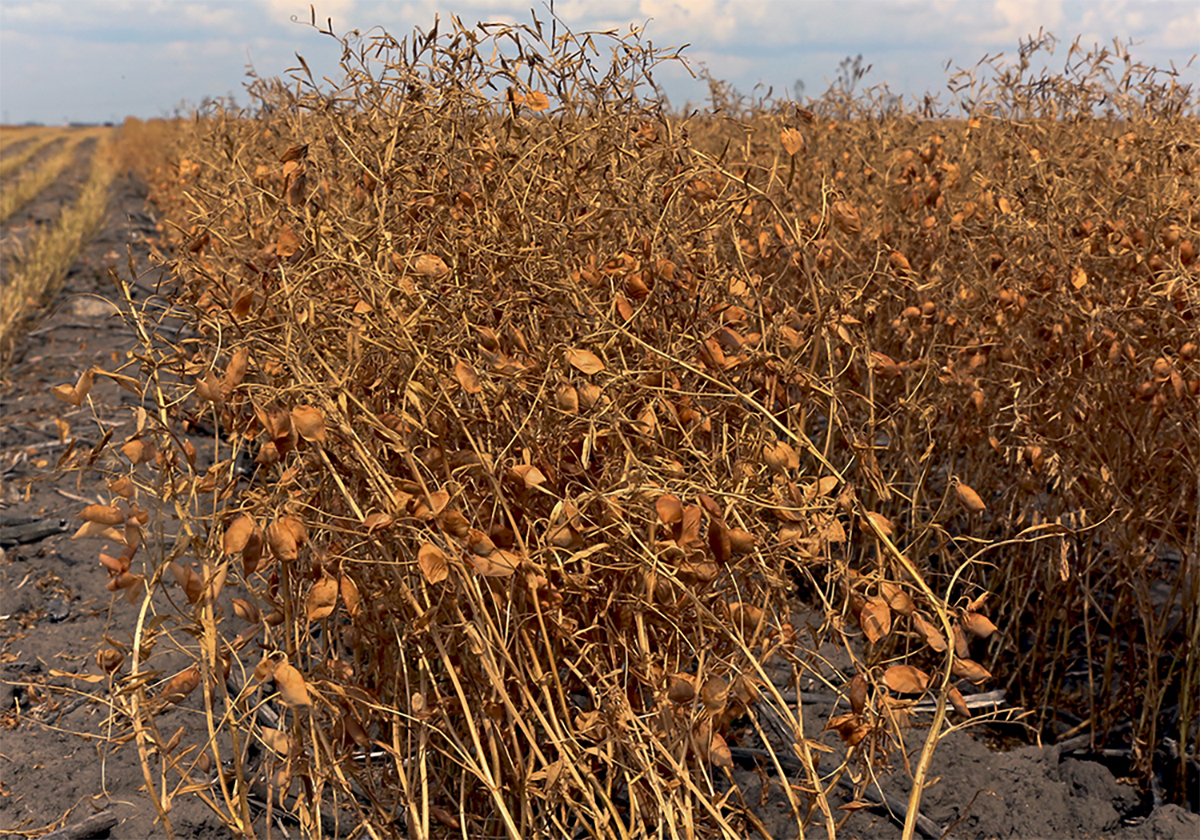
Red lentils priced higher than large greens
Red lentil prices have eclipsed large green lentil prices for the first time since 2014.
If weather allows farmers to plant the acreage they want and demand in China or elsewhere slips, prices could drop.
Hoyt said the the industry hopes Chinese demand will account for three million tonnes of Canadian canola seed. Prices would weaken if China consumes two million tonnes or less.
He said the recent $50 a tonne price slump reveals the market ‘s volatility, even with strong demand.
Regardless of near term challenges, Hoyt painted a picture of increasing long-term demand:
• European biodiesel production demands are so great that big spreads have developed between European and Canadian canola prices. This is allowing shipments of Canadian canola oil into several European countries and seed to Dubai, which crushes and exports most of the products.
• Canadian and American biodiesel mandates are new and demand will grow, especially if there are significant penalties for non-compliance for U.S. fuel producers. Hoyt said biodiesel demand is at the stage where corn ethanol demand was back in 2006, when it was just beginning to dramatically increase.
• China’s need for vegetable oils could appear dramatically stronger in the near future if it has smaller stocks than it has indicated.
The perception that China has adequate vegetable oil stocks “has kept prices almost artificially low globally, and if we do get to a point where China all of a sudden has 800,000 tonnes and not 1.3, 1.4 million tonnes … of veg-oils, you’re likely to see prices virtually explode over night.”
Factors that could hurt demand include China’s blackleg policy, which limits Canadian canola exports to only a few Chinese ports and U.S. biodiesel production non-compliance penalties that don’t force companies to buy vegetable oils regardless of price.
These bullish and bearish factors, coupled with tight North American veg oil stocks, set the stage for volatility. The recent sell off provides an example, he said.