

SASKATOON — There are a variety of reasons why phosphate fertilizer prices have not risen as much as nitrogen, say analysts.
Diammonium phosphate (DAP) and monoammonium phosphate (MAP) prices are up 22 to 27 per cent in key import markets such as Brazil and India since the outbreak of war in the Middle East, said Tom Hampson, global editor of phosphates with Argus Media.
That compares to a 65 to 75 per cent increase in urea values, he said during a recent Fertilizer Matters podcast.
Read Also
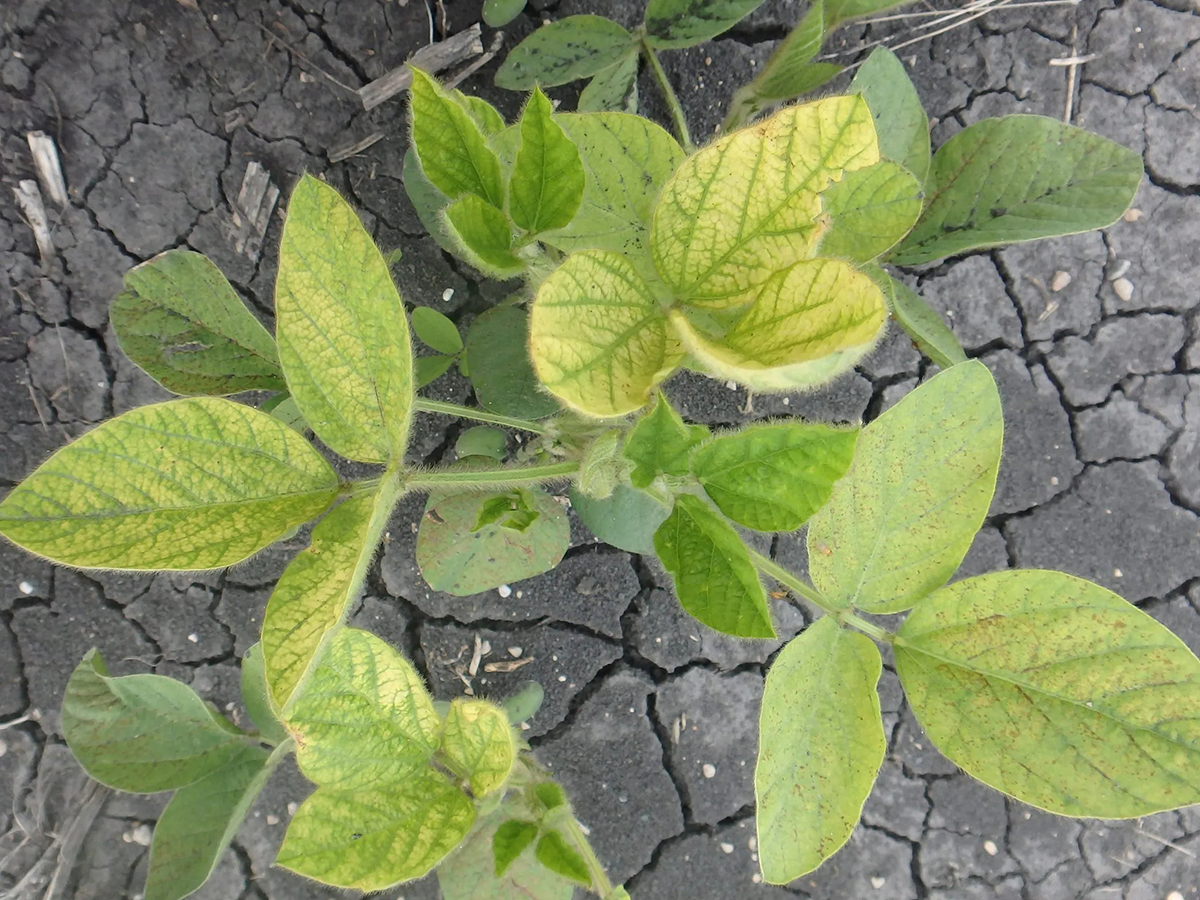
Selecting IDC-tolerant soybeans does not reduce yield, Manitoba study confirms
University of Manitoba research shows soybean varieties selected for iron deficiency chlorosis (IDC) tolerance protect yield in affected areas without reducing performance elsewhere in the field.
He believes the phosphate response has been more measured because peak utilization season is still a ways away in key markets such as South Asia and Brazil.
Buyers are purchasing on a hand-to-mouth basis because they don’t want to be buying huge volumes at the top of the market.
Why it Matters: Phosphate is the second most popular fertilizer used in Western Canada behind nitrogen.
Josh Linville, vice-president of fertilizer with StoneX, offered a different explanation in a video he made for the X social media platform.
He said phosphate prices should be climbing more based on what is happening on the supply side.
China, which is usually the world’s largest exporter of the commodity, has stopped shipping product.
Production rates are suffering in the United States and Saudi Arabia.
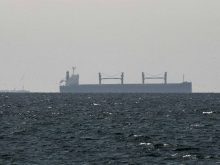
Three of the top 10 global exporters of ammonia are not shipping any product due to recent restrictions on the Strait of Hormuz, while half of the world’s tradeable supply of sulphur has been shut down.
Those are the two biggest inputs to produce phosphate fertilizer.
However, Linville believes prices are being kept in check by farmers skipping on phosphate application this year.
“We’re seeing that in the U.S.,” he said.
Surprisingly, the United States is exporting phosphate.
“We should be empty at this time of year. There should be nothing left to export,” he said.
Linville estimates fall demand for the nutrient is down 20 per cent in the U.S. and spring demand could be down even more.
Argus said Brazil’s farmers have turned away from high-grade, high-priced MAP and started importing lower-grade product from China.
However, on March 13, China announced it was suspending exports of triple superphosphate and single superphosphate because of restricted sulphur availability.
Argus does not anticipate any phosphate exports from China until August, which is a big problem for Brazil.
Morocco’s OCP Group recently announced that it is bringing forward scheduled maintenance at several plants, affecting up to 30 per cent of the company’s second quarter phosphate production capacity.
Foskor, a South African phosphate manufacturer, announced in March that it had stopped MAP granulation because it couldn’t access sulphur and ammonia.
Harry Minihan, global editor of nitrogen for Argus Media, said the Middle East accounts for 20 million tonnes, or 34 per cent, of the 58 million tonnes of annual global urea trade.
“All of that production is either offline or stuck behind Hormuz,” he said.
Over one million tonnes of product is loaded on over 20 vessels anchored in the Persian Gulf. Some of that might start moving now that Iran and the U.S. declared the strait open as of April 17.
Australia is in its peak import season, while North America and the European Union are heading into spring seeding. This is also when India is building stocks ahead of its peak summer application season for urea in June, July and August.
India has had a difficult time because its urea producers are heavily reliant on liquefied natural gas imports from Qatar.
India’s urea production was 65 per cent of normal in March, leaving a 750,000-tonne shortfall of the product, said Minihan.
However, gas supply improved in April as the government diverted its spot purchases to the fertilizer sector to help boost production.
Mike Nash, senior editor of fertilizer with Argus, said urea markets are also still reeling from lost Russian production stemming from the war in Ukraine.
“Urea prices have surged, and farmer affordability has collapsed to levels seen in 2022,” he said.
An American Farm Bureau Federation survey of 5,700 farmers conducted April 3-11 shows 70 per cent of respondents say fertilizer is so expensive they will not be able to buy all they need.
“The skyrocketing cost of fuel and fertilizer is creating more economic hardship for farmers who have already endured years of losses,” federation president Zippy Duvall said in a press release.
“Without the necessary fertilizers, we’ll face lower yields, and some farmers will reduce acres altogether, which will impact food and feed supplies.”