

After an extremely wet summer in 2008 and a cold winter so far in 2009, cattle producers in Manitoba’s Interlake and Westlake regions received welcome news last week.
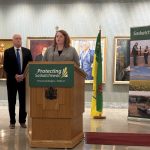
On March 5 in Winnipeg, federal agriculture minister Gerry Ritz and his Manitoba counterpart, Rosann Wowchuk, announced funding for producers unable to harvest a sufficient hay crop last year, due to near record rainfall in the region north of Winnipeg.
The Manitoba government will cover 60 percent, and the feds 40 percent, of two programs to provide direct support for the approximately 850 cattle producers affected by the flooding:
Read Also
Red lentils priced higher than large greens
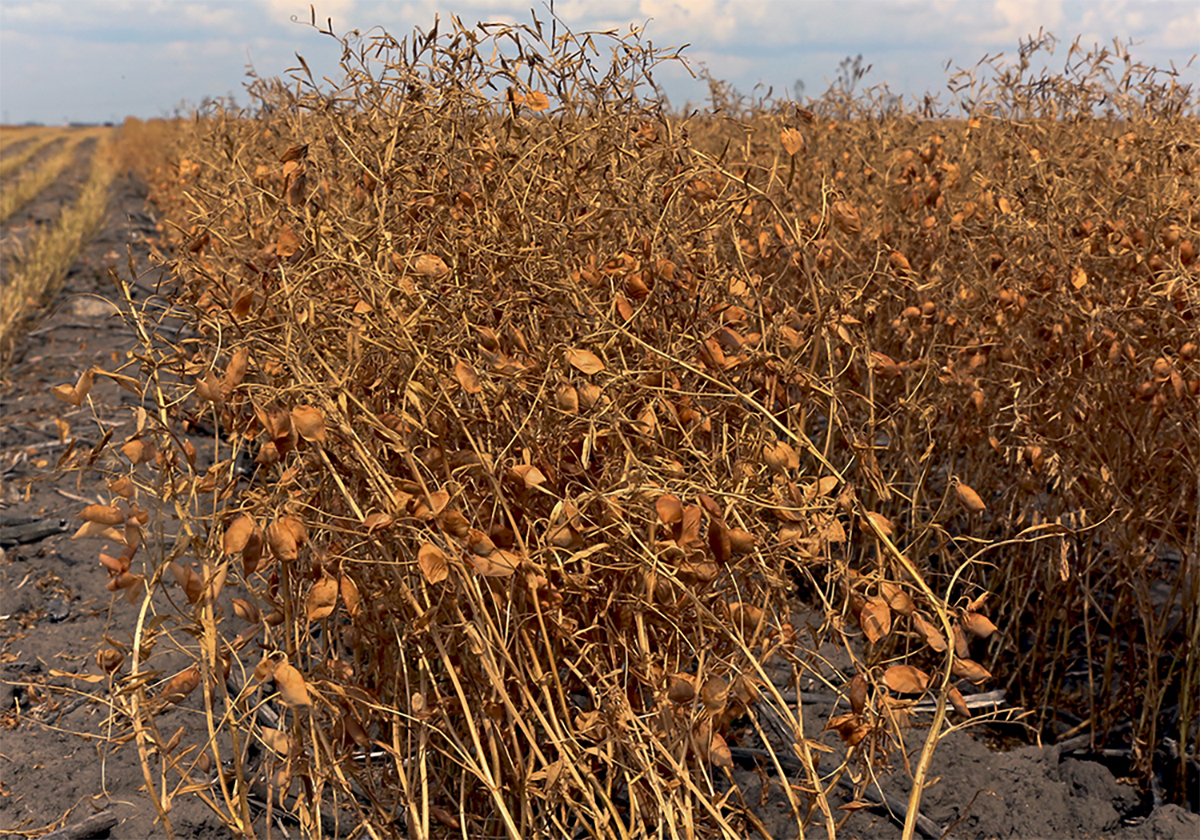
Red lentil prices have eclipsed large green lentil prices for the first time since 2014.
- The Manitoba Livestock Feed Assistance Program will provide $70 per head of breeding stock.
- The Manitoba Forage Restoration Program will fund $40 per acre for reseeding of hay crops.
“It’s a good news day for the people of Westlake and Interlake, who have been struggling to keep their cattle herds,” said Wowchuk, in an interview a few moments after the programs were unveiled. “Hopefully this will be helpful for them and I believe that it will be.”
Art Jonasson, who farms near the Lake Manitoba Narrows, which connects the Interlake and Westlake, also believes the programs will be helpful.
“It’s a good announcement for guys in the cow-calf business,” said Jonasson, a cattle producer from Vogar, Man., 175 kilometres northeast of Winnipeg.
He said program payments are expected to begin by the end of March, but they also enable producers to take out a short-term loan to buy feed right away.
“Guys were caught without a lot of feed and were trying to make it through the winter,” said Jonasson.
“And we got a real cold snap in January that was pretty tough on the food supplies. Guys were looking at not much money left in the bank and quite a bit of winter left to feed their cows.”
Last June and July many locations in the Interlake and Westlake received nearly triple the normal amount of rain, soaking forage acres, rotting alfalfa plants and making it nearly impossible for producers to get on their fields and make hay.
Manitoba Agriculture estimated forage production in the region was down 30 percent in 2008.
On his land, Jonasson said his crop of alfalfa and wild hay was down 50 percent, compared to a typical year.
As a result, he culled more of his herd than usual to reduce feed demand.
Last week’s funding announcement will help producers like Jonasson recover from a wet and difficult year, said Joe Bouchard, president of the Manitoba Cattle Producers Association.
“This will go a long way to help these farm families and their communities recover,” said Bouchard, a cattle producer in the Interlake, near Fisher Branch.
On top of that direct financial support, Ritz announced that farmers in the region who sold off a portion of their herd in 2008 because of the flooding, could now defer taxes on those earnings.
That is a key detail of the announcement, the MCPA noted in a news release, because previously tax deferrals on cattle sales were only permitted when forage production was cut by drought.
The deferral provision is now permanently changed, the MCPA said, and will apply to cases of drought and flooding.