

Prairie farmers and ranchers hurt by floods and extreme wet conditions are eligible for $448 million in provincial- federal AgriRecovery money.
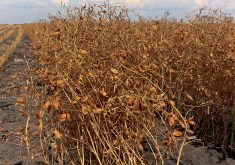
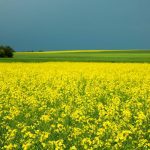
Across the Prairies, about 14 million acres have not been seeded or were flooded after planting.
The problem has been compounded for livestock producers in the flood regions, who also face feed shortages, said federal agriculture minister Gerry Ritz.
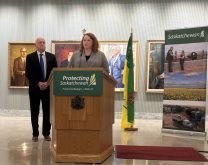
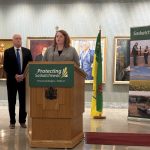
“As things stand now, pastures and cropland damaged by the floods over the past 12 months will need some time and in fact, in some cases, years to rejuvenate,” said Ritz in an Aug. 4 announcement in southeastern Saskatchewan.
Read Also
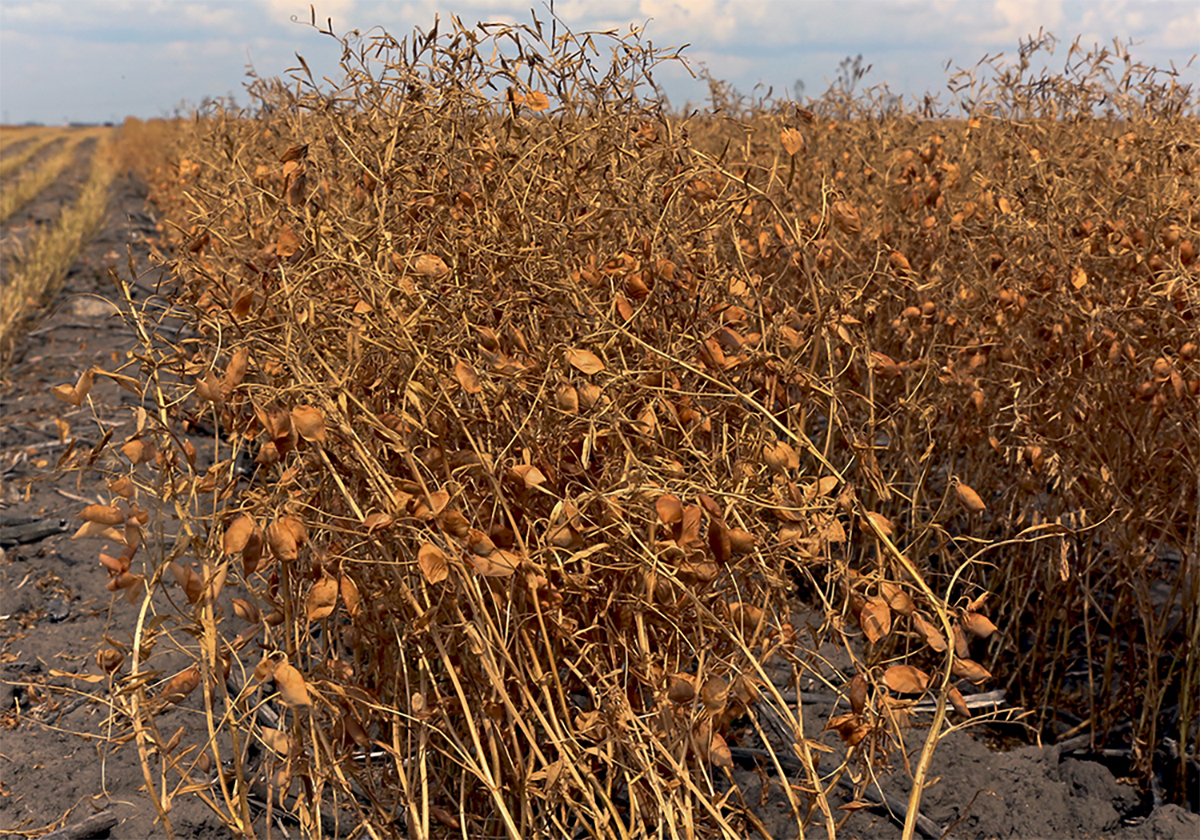
Red lentils priced higher than large greens
Red lentil prices have eclipsed large green lentil prices for the first time since 2014.
In addition to an earlier tax deferral for those forced to sell livestock, the aid packages include $30 per eligible acre for cropland that could not be seeded as of June 20, and for cropland that was seeded but flooded out on or before July 31.
Livestock producers can also apply for financial assistance to help with the costs of feeding their herds, renting pastures and transporting feed or livestock. The provinces are expect-e d to provide specific program details later.
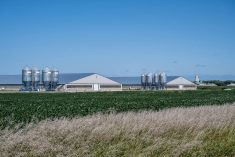
Saskatchewan feedlot operations are eligible to apply for up to $250,000 through the Growing Forward program to cover infrastructure damage to pens and lagoons. The federal department of agriculture anticipates 55 intensive livestock operations are eligible for this funding of which 40 are feedlots. Alberta is not offering a similar program.
At the end of June, Manitoba announced $194 million to cover unseeded acres and damage to feedlots, as well as forage and crops suffering serious water damage.
Harold Martens, president of the Saskatchewan Stock Growers Association, said the announcement will help producers make plans before winter. Last year, a similar announcement did not come until November.
“People can assess whether they keep their calves or sell their calves. They can be objective in their decision making,” he said in an interview.
He said the announcement covered three critical elements for the beef industry providing cash for cow-c alf operations, feedlots and drowned out pastures.
“Whether they are adequate or not is another question,” he said
The president of the National Cattle Feeders Association said the announcement comes at a good time, but $250,000 may not be adequate to cover damages to feedlots where clay bases, feed bunks, fences and lagoons were damaged after two years of excess snow and rain.
“There is no insurance for something like that available. Any money is welcome but the feedlot industry is of course a very high volume, concentrated business and some of the big feedlots would have damage in the millions,” said Bill Jameson of Moose Jaw.
The money may cover damages on small operations but falls short of covering major infrastructure losses.
Saskatchewan lots are operating below capacity partly because of the damage and that is not profitable, he said.
“Your business plan is for X amount of cattle and now you are faced with rebuilding and spending a lot of capital dollars in rebuilding and compounding that problem is that some of these feedlots are operating at 50 to 70 percent of capacity.
“A feedlot is like a hotel; if you are at 60 percent of occupancy you are not going to make any money,” he said.
“In the case of cow-calf guys, at least they know they’ve got some money coming and probably they can go to the bank and get some bridge financing until the money comes.”
The deadline to apply for the Canada- Alberta Excess Moisture Initiative II (CAEMI II) is Sept. 30.
Details for the pasture component will be released soon and forms will be mailed to producers receiving a 2011 unseeded acreage benefit under AgriInsurance.
Producers do not need to be participants under AgriInsurance or AgriStability to receive a CAEMI II benefit.
For more information on CAEMI II, call Alberta Financial Services Corp. at 877-899-2372 or contact local field analysts.
Saskatchewan producers can learn more about their programs by visiting www.agriculture.gov.sk.ca contacting their closest government regional office or by calling 877-874- 5365.