
VULCAN, Alta. – A Canadian Wheat Board director from Alberta toed the party line during a recent Farmer Forum meeting in Vulcan.
Reading from a prepared presentation, Jeff Nielsen explained the board’s vision and his job of showing the value of the board to producers and working for a strong sustainable wheat board.
However, following his director’s report, Nielsen said the fate of the board must be made in Canada, although Ottawa has not determined if it will be a producer or government decision.
Read Also
Red lentils priced higher than large greens
Red lentil prices have eclipsed large green lentil prices for the first time since 2014.
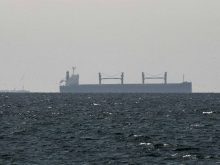
He said during 2008-09, prices were driven lower by higher world production and a stronger Canadian dollar. But there was good news concerning ocean freight rates. More shipping capacity helped reduce shipping costs.
CWB chief operating officer Ward Weisensel said Canada has higher freight costs than many of its competitors but that disadvantage is reduced as rates fall.
The discussions about freight raised questions about demurrage, which farmers pay if a ship isn’t loaded on schedule.
Weisensel said the other side of demurrage – about $4.5 million last crop year – is despatch, which the board earns for farmers when ships are loaded earlier than required.
Last year, despatch paid the board $7.4 million more than it paid in demurrage.
However, he said that figure is not part of the total cost of about nine cents a bushel to operate the board. Instead, it is “in addition to the pool account paid to farmers.”
One farmer asked about interest earnings generated when the board makes a credit sale with government-assisted low-interest money and collects a higher interest payment from the buyer.
Weisensel said net interest earnings go to the pools and into the final payment to producers.
Another farmer asked why feed barley wasn’t treated the same way. Weisensel said board sales of feed barley are so small that interest payments would distort the market. Instead, it goes into a contingency fund.