

Canola has won over another producer, this time in Scottsburg, Virginia.
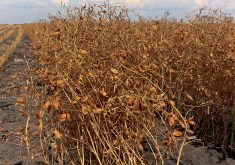
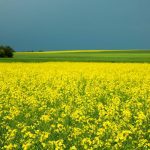
Last fall Korey Snead planted his first canola crop on his Virginia farm, and although harvest is still a few weeks away, Snead is officially on the canola bandwagon.
“At this point I’m fairly confident we’ve made a good crop …. he pods have set and it’s beginning to dry down,” said Snead, who expects to straight combine his 25 acres of canola by mid-June.
Snead is not going to get too excited until the crop is in the bin, but so far the winter canola is thriving.
Read Also
Red lentils priced higher than large greens
Red lentil prices have eclipsed large green lentil prices for the first time since 2014.
“It just seems to be suited for this area,” said Snead, noting the crop is almost two metres high, has competed well with weeds and has provided good erosion control in the rolling farmland.
He estimated his crop could yield about 40 bushels per acre.
Snead is optimistic about canola’s future in his state because of Red Birch Energy, a Virginia company that is turning canola into biodiesel.
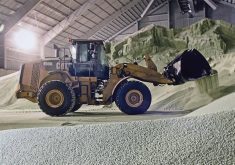
Since last year, it has operated a canola crushing and 9.5 million litre per year biodiesel plant, adjacent to a truck stop it owns near Martinsville, Va.
“We’re crushing the last of the canola, from last year’s crop, this week,” said Gary Sink, Red Birch’s president.
The company contracts with farmers in nearby North Carolina to grow canola, but the oilseed is not the only feedstock for the biodiesel plant. The company also processes used vegetable oil from restaurants in the region.
“We’re probably 25 percent canola oil and 75 percent waste vegetable oil,” Sink said, adding the plant has not been operating at full capacity, primarily because of the severe drop in diesel prices over the last year.
Regardless, Sink is convinced that Red Birch’s vertically integrated model from production to retail has a future.
On top of the plan to sell biodiesel directly to truckers and motorists, Sink said he would also like to sell canola oil to restaurants and food service companies in the region.
“We’re in the process of taking our canola oil to food grade,” he said. “We’re collecting from restaurants and what we want to do is lease them our canola oil. And then get it back and make fuel out of it.”
Red Birch is taking that approach because Sink doubts that converting canola directly into biodiesel can be profitable.
“I don’t think canola is economically feasible if we don’t sell it for food grade first,” he said. “It also addresses the food versus fuel issue. We’re adding to the food supply, not taking away.”
The company’s business model has attracted the attention of state governor Tim Kaine and his cabinet.
Given the political interest and potential support, Snead plans to get into the certified canola seed business.
“We have the first certified seed crop, that I know of, in Virginia and North Carolina,” he said.
Snead may already have a few customers lined up.
“We’ve had farmers from surrounding counties coming in and a lot of them are saying to save them a few bags of seed,” he said.
His canola crop remains a bit of a mystery for the majority of people in the region.
“People not connected with the agricultural community kind of think we have a big plot of turnip salad.”