

Early 2026 finds grain markets continuing with the expectation of ample supply that had ruled prices ahead of the holiday season.
The December production reports in the United States and Canada confirmed large harvests, including record large canola and wheat crops in Canada.
Wheat harvests in Argentina and Australia are wrapping up and production was excellent.
Read Also
Phosphate prices not soaring as much as urea
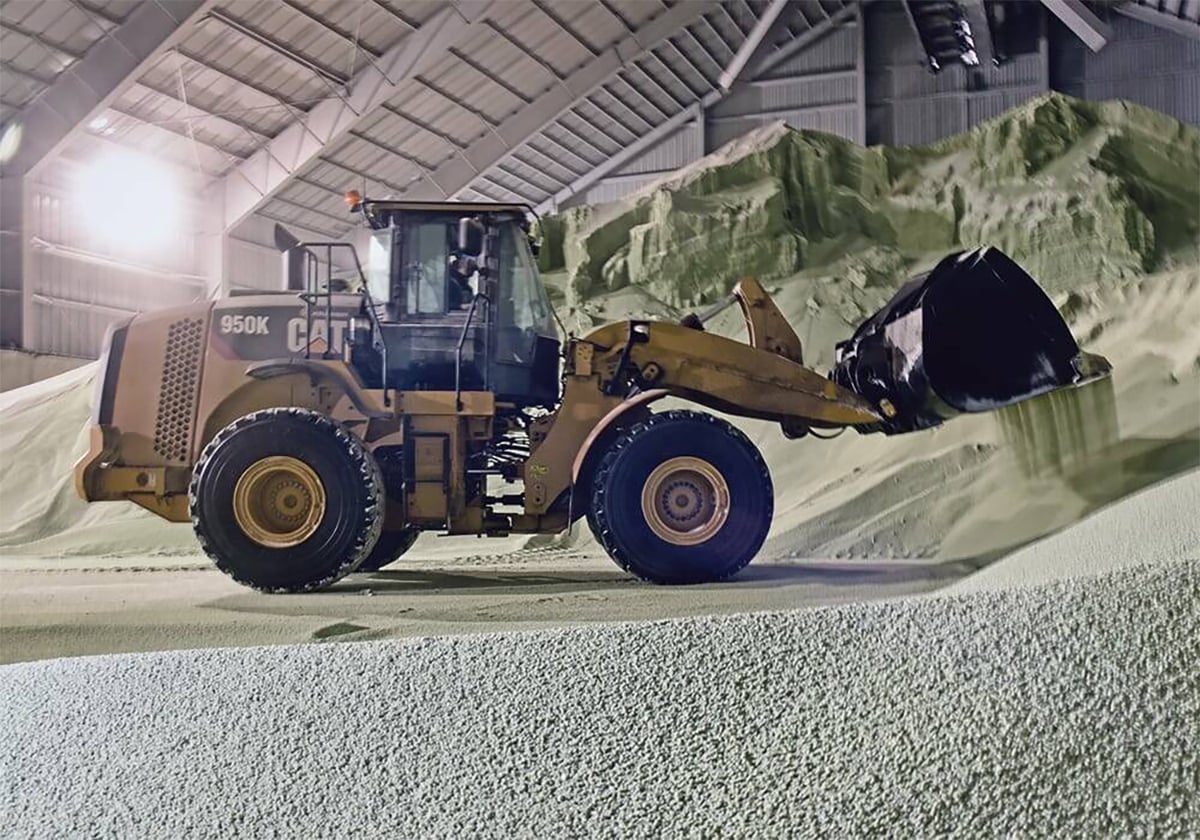
Phosphate fertilizer prices have not climbed nearly as much as urea because farmers are cutting back and also the peak application season is a ways off in Brazil and India.
Corn and soybean crops in Brazil and Argentina are developing without weather worries, resulting in expectations that soon those large supplies will hit global markets and keep downward pressure on prices.
As for demand, Canadian canola and American soybean exports continue to have problems, but wheat exports from the North American neighbours are strong.
Let’s dive more deeply into these developments.
Minneapolis spring wheat futures hit a five-year low in the fall and have edged up only slightly since then.
The U.S. Department of Agriculture’s December supply and demand report increased its estimate of world wheat production to 837.81 million tonnes, up one percent from the November estimate and up 4.6 percent over last year.
It sees year-end global stocks at 274.87 million tonnes for a stocks-to-use ratio of 33.4 per cent, up from 32.1 per cent at the end of 2024-25.
The weak wheat price has attracted bargain buyers.
Canada’s wheat exports are on track for a record year. In the first 21 weeks of the crop year to Dec. 28, Canada exported 9.84 million tonnes of non-durum wheat, 1.4 million tonnes more than at the same time last year.
From June 1 to Dec. 25, the U.S. has exported 14.89 million tonnes of all types of wheat, including durum, up from 11.95 million at the same time last year.
There is of course the usual strong competition from Russia, but Argentine and Australian wheat are also starting to hit the market.
Argentina has harvested a record smashing, bin busting 27.8 million tonnes of wheat, according to the Buenos Aires Grain Exchange, surpassing the previous record of 22.15 million in 2021-22 and surpassing the five year average crop of 17.34 million by 60 per cent.
Australia’s government estimate of its wheat crop is 35.6 million tonnes, the second largest ever, up four percent over last year and up 29 per cent over the 10 year average.
Turning to oilseeds, Statistics Canada pegged the canola crop at a record 21.8 million tonnes.
To avoid a market-depressing carryover, exports and domestic use will have to be strong, but China’s refusal to buy is a huge impediment.
In the 21 weeks to Dec. 28, only 2.66 million tonnes had been exported to all buyers. If that pace carried through to the end of the crop year only 6.59 million tonnes would be shipped, far short of Agriculture Canada’s forecast for exports of eight million tonnes.
Domestic use is going better with 4.93 million tonnes crushed in the 21 weeks, up slightly from 4.89 million processed at the same point last year.
That is on track to meet the Agriculture Canada forecast of 12 million tonnes of domestic use this crop year.
U.S. soybean exports are also suffering.
China recently agreed to buy large amounts in the future, but in the crop year to date, few American beans have gone to the Asian giant.
Only 794,500 tonnes have been shipped, down from 16.06 million in the same period last year.
Shipments to all buyers are at 15.23 million, down from 28.31 million at the same point last year.
China likely posted record high soybean imports in 2025, but the big increase was from Brazil.
However, the U.S. shipping pace should pick up soon. Since China and the U.S. stepped back from their trade war late in the fall, Chinese buyers have committed to take close to 10 million tonnes of American soybeans from the 2025 harvest.
American domestic soybean crushing is running at well above last year’s pace.
The expectation of improving U.S. soybean exports in coming weeks has supported soybean futures, but gains are limited by the strong crop developing in South America.
Brazil’s forecaster, Conab, in December estimated the crop at 177.12 million tonnes, an increase of 5.6 million, or 3.3 percent, compared to last year. Acreage increase was the main driver of the production rise. Other forecasts are also in the 177 to 178 million tonne range.
Conab’s corn forecast is 138.87 million tonnes. That would be down 2.1 million tonnes, or 1.5 percent, from last year.
For Argentina, the Buenos Aires Grain Exchange forecasts a soybean crop of 47 million tonnes and corn production at a record 61 million tonnes.
That corn forecast is significantly higher than the USDA’s forecast of 53 million.
The previous record was 55.5 million in 2018.
The USDA soybean forecast is 48.50, down from about 51.1 million last year.