

The United States Department of Agriculture supply and demand report released Jan. 12 sent corn futures lower and shifted expectations for wheat. Soybeans saw little overall change.
The implications were unpacked in the latest One Beer Markets Update from the Western Producer Markets Desk. Analyst Jerry Klassen of Resilient Capital joined Phil Franz-Warkentin to walk through the numbers and the likely price impact.
Read Also
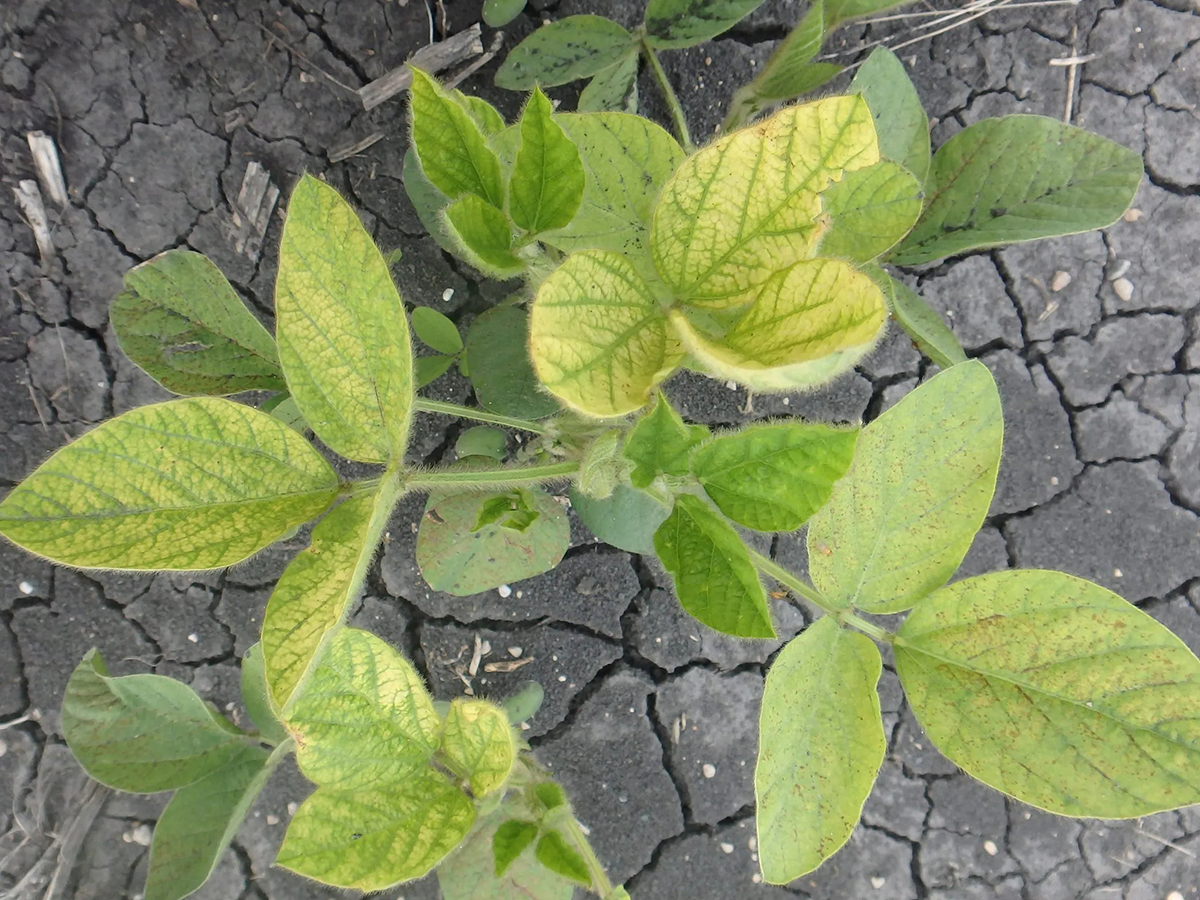
Selecting IDC-tolerant soybeans does not reduce yield, Manitoba study confirms
University of Manitoba research shows soybean varieties selected for iron deficiency chlorosis (IDC) tolerance protect yield in affected areas without reducing performance elsewhere in the field.
Corn sees sharp reaction, but demand is firm
Corn futures posted the strongest reaction after the USDA raised both U.S. production and ending stocks. Harvested acreage increased sharply, and yields were revised slightly higher. Total U.S. output soared to 17.0 billion bushels, well above 14.9 billion last year.
Despite the bearish headline, Klassen said demand remains firm. Domestic use and exports are both running ahead of last year, and quarterly stocks data showed farmers marketed more than half of the crop early in the season. Tight commercial inventories could support prices later in the spring as the market seeks additional supplies.
Soybeans little changed as domestic demand grows
The soybean data offered no major surprises, leading to a muted market reaction. Even with a small increase in harvested U.S. acreage, the ending stocks forecast came in at a relatively tight 350 million bushels. Although exports were trimmed, domestic crush was raised, reflecting growing demand for soybean oil in biofuel production.
That trend is expected to support vegetable oil markets more broadly, including canola, even as Brazil’s large soybean harvest dominates global exports.
Wheat focus shifts from old crop to new crop risks
For wheat, attention focused on the first estimate of U.S. winter wheat acreage. It came in at 33.0 million acres, down less than 1 per cent from last year. Dry conditions across parts of the U.S. Plains have traders factoring in only average yields, pointing to lower production potential.
Large global wheat supplies continue to weigh on prices, but attention is shifting toward new crop risks in the U.S., Russia and Europe. Klassen said that transition could improve pricing opportunities for Canadian mid- and high-protein wheat as crops emerge from dormancy this spring.
To learn more, watch the latest One Beer Markets Update from The Western Producer Markets Desk. It offers a fast, clear rundown of the key numbers and price signals to watch in the months ahead.
Final point
You can now watch a quick update on daily futures moves. For end-of-day snapshots of grain and oilseed futures, follow the Western Producer’s Daily Market Videos, here. These short clips highlight key price moves and market signals Canadian farmers should monitor. Bookmark the Daily Market Video page today!