



SASKATOON — Reports have surfaced about a potentially beneficial policy change in Canada’s top canola market.
Reuters is reporting that the U.S. Environmental Protection Agency is weighing a plan to delay implementation of a proposal to penalize imported biofuel and biofuel feedstocks.
The original EPA proposal is to slash the amount of renewable identification number (RIN) credits for imported biofuels and for U.S. biofuels made with imported feedstocks such as canola.
Read Also
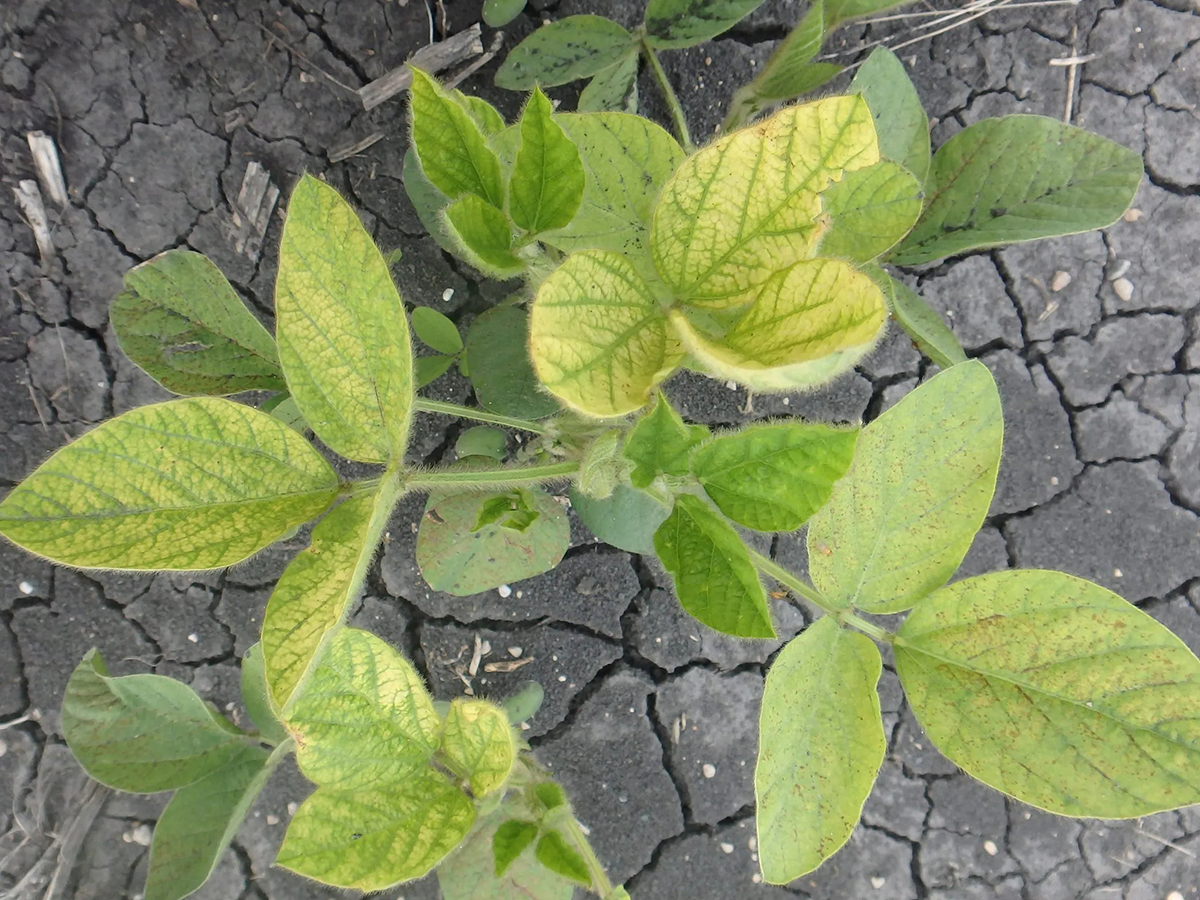
Selecting IDC-tolerant soybeans does not reduce yield, Manitoba study confirms
University of Manitoba research shows soybean varieties selected for iron deficiency chlorosis (IDC) tolerance protect yield in affected areas without reducing performance elsewhere in the field.
The proposal, known in biofuel circles as the “RIN haircut,” was supposed to take effect Jan. 1, 2026.
Reuters reports that two sources “familiar with the matter” say the new plan being considered is to delay implementation until 2027 or 2028.
Why it Matters: The U.S. biofuel market could consume a lot of Canadian canola oil, depending on how the policies shake out.
“This is a very big deal,” said Fred Ghatala, president of Advanced Biofuels Canada.
“The U.S. is the largest export market for Canadian canola.”
Under the RIN haircut proposal, imported canola-based biofuel or U.S. biofuel made with imported canola feedstock would generate half of the RIN credits of domestic biofuels made with domestic feedstocks, such as soybean-based biodiesel.
Chris Vervaet, executive director of the Canadian Oilseed Processors Association (COPA), said he is not going to “contribute to the speculation” surrounding the rumoured delay of the policy.
He is waiting for the EPA’s final ruling, which he understands could happen in the first quarter of 2026.
“We are very eager to see where things land,” he said.
COPA would like the U.S. administration to take the same approach it did with the 45Z producer tax credit, where all North American feedstocks are given preferential treatment.
“We like that approach, the North American ring fence as it has been coined,” said Vervaet.
“We think that makes a lot of sense.”
The ring fence approach would be “supportive” of Canadian canola oil sales to the U.S. biofuel market, helping ensure farmers reap some of the economic benefits from the biofuel industry.
He thinks Canada should take the same approach with its newly announced biofuel production incentive and the targeted amendments to the Clean Fuel Regulations on which the government is working.
Ghatala said that while Canadian feedstocks qualify for the 45Z credit, Canadian biofuel does not.
So, even if the EPA delays the RIN haircut proposal, it won’t have much impact on Canadian biofuel sales to the U.S. market, which have dwindled due to the lack of the 45Z credit.
However, he acknowledged that it could indeed boost canola oil exports to the U.S. biofuel sector.
“This is helpful for Canadian farmers,” said Ghatala.
That is important because the U.S. market for biofuels is set to expand dramatically.
In June, the EPA released its proposed rule for renewable volume obligations (RVOs), which is the country’s national biofuel mandate.
The biomass-based diesel mandate, which includes biodiesel, renewable diesel and sustainable aviation fuel, was set at 5.61 billion gallons for 2026 and 5.86 billion gallons for 2027.
That is a massive increase from the 3.35-billion-gallon mandate for 2025.
The EPA is expected to finalize its RVO mandates at the same time that it decides what to do about the proposed RIN haircut.