

Monsanto Canada says its canola production facilities in Chile were not directly affected by a Feb. 27 earthquake that killed more than 800 people and caused major damage to the country’s infrastructure.
Company spokesperson Trish Jordan, said workers in Chile were scheduled to begin harvesting Monsanto’s new canola hybrids in late February, around the same time that an earthquake measuring 8.8 on the Richter scale shook the South American nation.
Jordan said last week there had been no reports of damage to Monsanto’s off-season canola multiplication facilities.
Read Also
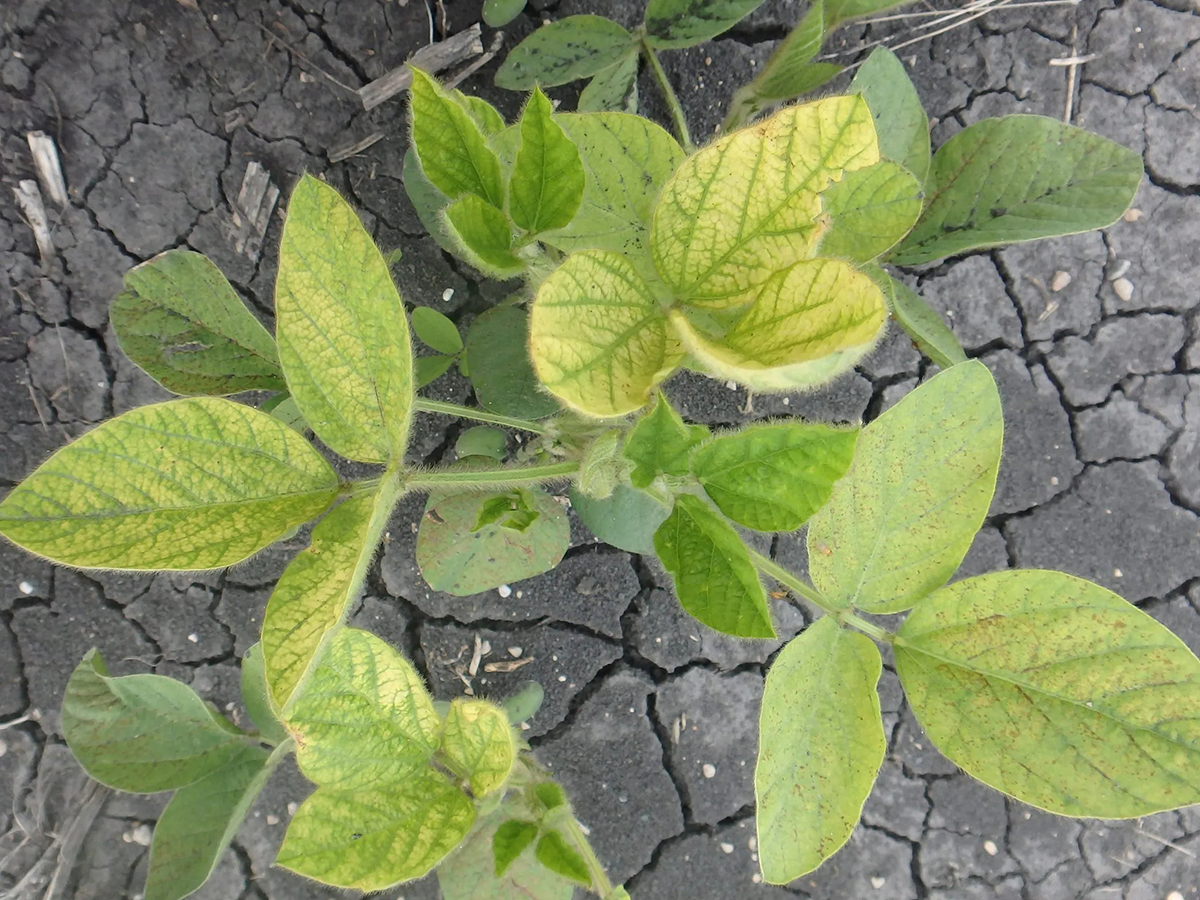
Selecting IDC-tolerant soybeans does not reduce yield, Manitoba study confirms
University of Manitoba research shows soybean varieties selected for iron deficiency chlorosis (IDC) tolerance protect yield in affected areas without reducing performance elsewhere in the field.
Harvest was expected to continue as planned, although the company was anticipating some challenges related to power outages, fuel shortages and disruptions in transportation and shipping schedules.
“Chile is pretty much our major site for (seed) multiplication, particularly for our hybrid program,” said Jordan.
“We feel pretty confident that we’re going to be OK, although it’s probably a little bit too early right now to say for certain.”
Seed companies routinely use seed multiplication facilities in the southern hemisphere to ensure that their new seed varieties reach the North American marketplace as quickly as possible.
This year, for example, Monsanto’s Chilean employees are multiplying seed for two clubroot resistant canola varieties that were supported for registration in Canada just last month.
The company has indicated that the two varieties, Dekalb 73-67RR and Dekalb 73-77RR, will be available in limited quantities for 2010 planting pending approval by the Canadian Food Inspection Agency. However, a disruption in off-season production would affect those plans.
Monsanto has a number of facilities in Chile, including three plantations near Santiago, the country’s capital.
Although Monsanto’s production facilities escaped damage, Jordan said getting canola seed to port could be problematic. Last month’s earthquake had a devastating impact on the country’s infrastructure, damaging major highway routes, tying up ocean ports and throwing transportation schedules into disarray.
Jordan said the company is getting updates on shipping schedules, and will use other ports if necessary.
Seed could also be shipped out of the country by air, but it would be a costly alternative.
“Provided that seed continues to be harvested, it looks like we are still going to be able to move it to processors and subsequently get it to port,” Jordan said. “The next challenge that we’re … facing … is transportation because the ports are all really busy. We could move more product by air but obviously, that costs us a lot of money.”