

HOLLAND, Man. – Breeders are reaping the rewards of two research projects that are expanding the genetic knowledge of flax, even though growers won’t see the benefits for a decade or more.
Genome Canada’s Total Utilization Flax Genomics (TUFGEN) and the Natural Fibres for the Green Economy Network (NAFGEN) are generating the information and tools needed to improve seed and fibre yields and other plant qualities, Agriculture Canada flax breeder Scott Duguid told the Manitoba Flax Growers Association’s (MFGA) March 3 annual meeting in Holland.
Read Also
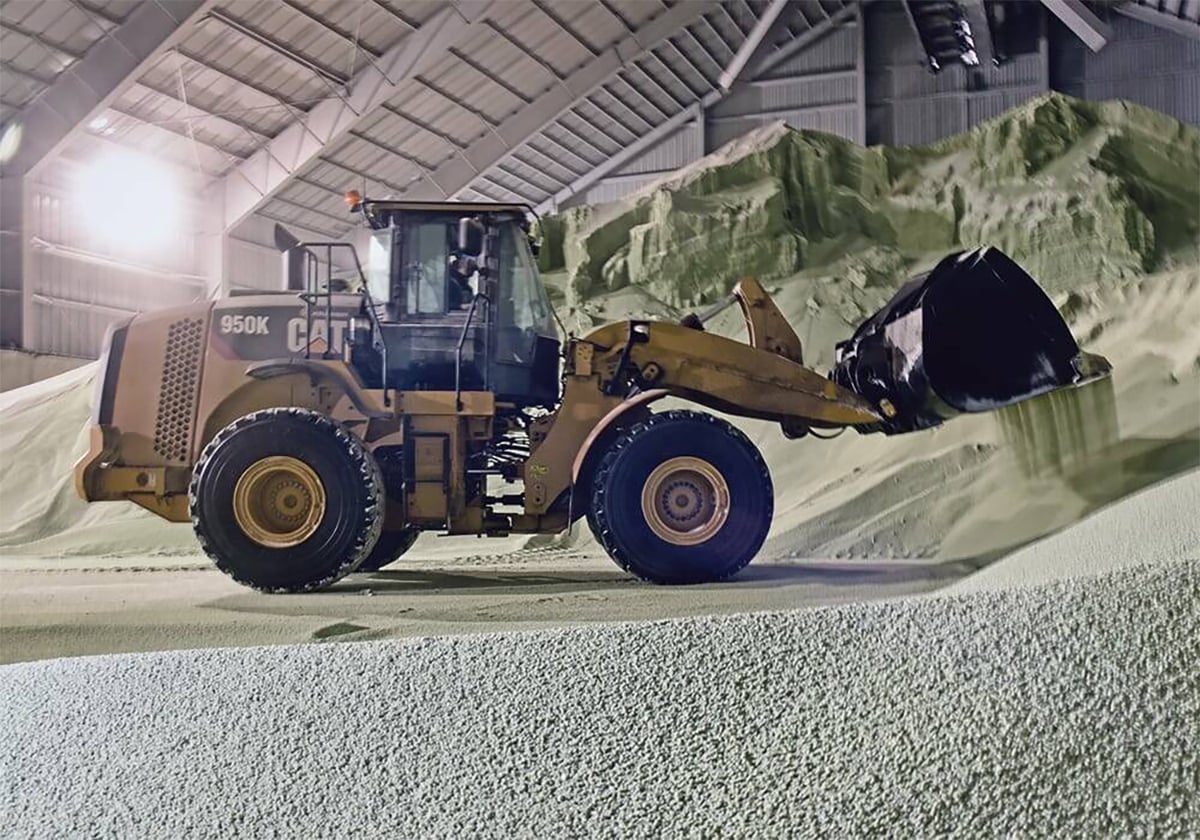
Phosphate prices not soaring as much as urea
Phosphate fertilizer prices have not climbed nearly as much as urea because farmers are cutting back and also the peak application season is a ways off in Brazil and India.
“The TUFGEN and NAFGEN projects will start impacting some of that breeding in the near future, maybe two or three years.”
Gordon Rowland of the University of Saskatchewan and Sylvie Cloutier of Agriculture Canada in Winnipeg are leading the TUFGEN project, but scientists from India are also collaborating.
Flax Canada 2015 is leading the NAFGEN project, a joint effort by five universities, industry and government agencies.
Both projects were announced in 2009.
Duguid said one of the most significant benefits of the initiatives is that breeders are beginning to understand the traits of flax varieties from around the world.
Breeders need that kind of knowledge to incorporate a specific trait into a new line of flax, such as seed colour, yield or disease resistance, he added.
“I have information that I never had before, particularly in terms of characterizing these plants. It tells me (how) to find some of the variability that I need,” Duguid said.
“That’s essentially what the genomics project and the NAFGEN project are doing…. We’re taking that book called flax, we’re opening it up and looking inside.”
MFGA president Eric Fridfinnson, who grows flax near Arborg, Man., said this new knowledge should help flax catch up to other crops.
“It is unfortunate that this work wasn’t done 10 years ago, but the second best time to do it is now,” he said.
“To keep flax competitive, we need to get average yields up in at least the 30 bushel (per acre) range.”
It typically takes 10 to 12 years to develop a new variety.