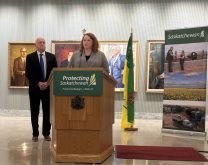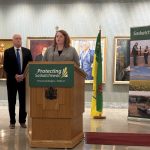


Saskatchewan immigration minister Rob Norris doesn’t want to call it a crisis, but his ministry is worried about the next generation of farmers and is taking action to find them.
Part of that action is an initiative within the Saskatchewan Immigrant Nominee Program called the Young Farmer stream.
Launched in October, the new stream will allow the province to nominate experienced farmers younger than 40 for immigration. According to a news release announcing the program, it will “encourage young families to move to rural Saskatchewan to assist succession planning for farming operations.”
Read Also
Phosphate prices not soaring as much as urea
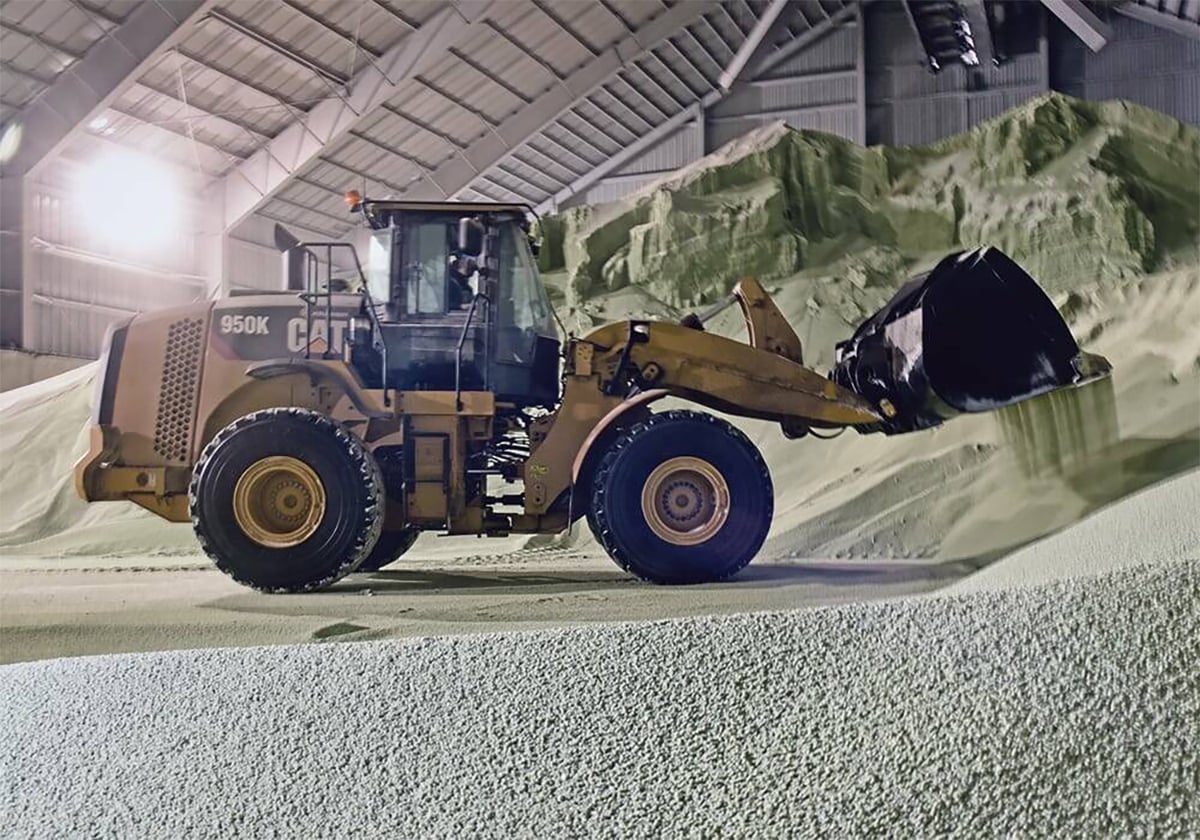
Phosphate fertilizer prices have not climbed nearly as much as urea because farmers are cutting back and also the peak application season is a ways off in Brazil and India.
Norris said in an interview the program is part of a broader initiative to attract entrepreneurs to the province.
“Within that, we’ve said there are some key streams that we want to make sure we’re focusing on…. (We’ve) set ourselves a goal of 250 people by the end of next year.”
Norris hasn’t set a goal for the number of immigrant farmers who settle in Saskatchewan, but it is a priority because of recent trends.
He said Saskatchewan lost 2,000 agricultural producers between 2001 and 2006. The average age of a Saskatchewan farmer was 53, based on Statistics Canada data. The national average is 52.
As well, a recent National Farmer’s Union report highlighted Statistics Canada figures showing the number of farmers in Canada younger than 35 declined by 60 percent between 1991 and 2006.
Despite those statistics, Norris said the situation in agriculture is not a crisis but an indicator of a larger trend.
“What’s going on in the agricultural community is reflective of what’s going on across Canada,” he said.
“The retirements out of the baby boomers are just beginning and that’s going to affect agriculture … just as (it will affect) almost every other sector.”
Norris said the provincial strategy includes keeping young Saskatchewan farmers in the province and attracting more newcomers.
“We’re seeing that from a couple of different directions,” he said
“We’re seeing increased interest in agricultural endeavours from several First Nations and Metis communities, and we’re also seeing increased interest through the immigration stream…. This is an opportunity for us, if you want, to rebrand and remarket the opportunities that people were made aware of 100 years ago on the Canadian Prairies.”
Michael Trevan, dean of agriculture at the University of Manitoba, doesn’t believe Canada’s next generation of farmers is in jeopardy. Instead, with larger farms becoming the norm, agriculture opportunities are simply different today.
“It varies from year to year, but of those graduating (from the U of M diploma program), a half or more are going back to the family farm,” Trevan said.
“There are people out there in our experience who actually want to farm. They can’t afford to break into it for themselves, (so) they’re either going to wait till they inherit the land or they’re going to go off and work as a farm manager.”
The biggest barrier to the next generation is not lack of interest but a lack of capital, Trevan added, which means immigrant farmers can fill a void in the marketplace.
“They’re moving here to farm and be part of that rural community.
“It might just as well be them buying it as anyone else buying it.”
Robert Gordon, dean of the University of Guelph’s Ontario Agricultural College, agreed that European immigrants are part of the solution.
However, unlike Trevan, Gordon believes the lack of new and young farmers is reaching a crisis stage in Canada.
“It’s something that we have to start taking really seriously,” Gordon said.
“There is a problem. It’s something that industry, that government, that universities and technical colleges across the country need to be aware of.”
There haven’t been formal talks on the issue, Trevan said, because agriculture falls under provincial jurisdiction.
“So it’s really up to individual provinces…. There really isn’t a national body that can do that,” he said.
“It might be about time, in actual fact, to have a debate (on) what’s going to be the structure of Canadian agriculture in 20 years time.”