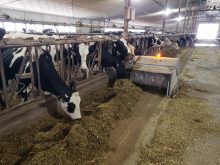


Lameness is the international dairy industry’s third biggest health problem in terms of economic impact, according to a fact sheet on Manitoba Agriculture’s website.
It affects 35 percent of dairy cattle in Canada and 46 percent in the United States.
Dan Undersander, a forage agronomist at the University of Wisconsin, said the main cost of lameness is that cows eat less feed when they find it uncomfortable to stand and as a result produce less milk.
In a recent presentation in Brandon, Undersander pointed to U.S. statistics that show lame cows will produce 2.3 to 13.6 fewer litres of milk per day, depending on the severity of the lameness.
Read Also
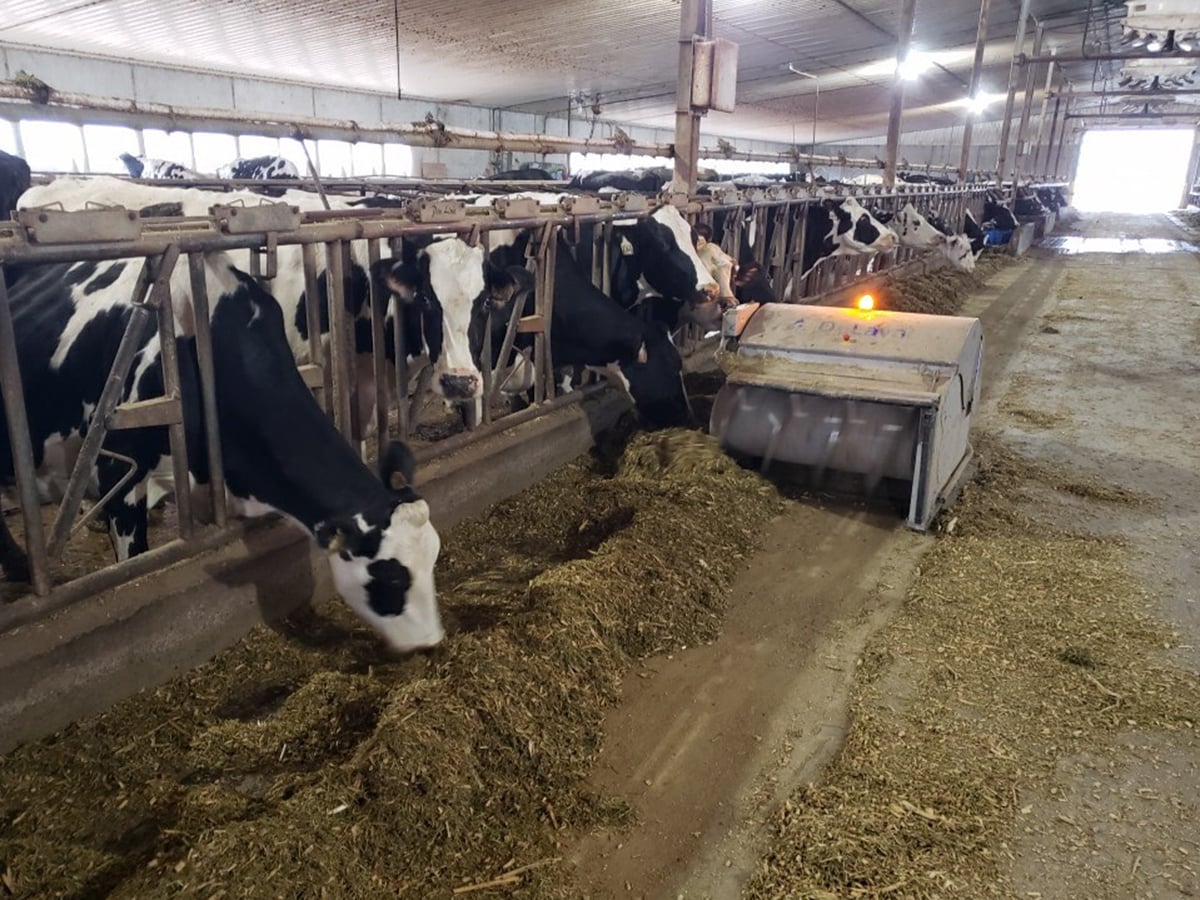
Here’s a dairy lactation feed budget to consider for 2026
By using current prices for forages and other feeds and implementing some cost-cutting measures, I can draw a picture as to what it actually costs to feed a lactating dairy cow.
Lameness also increases culling-replacement costs and raises veterinary bills.
Undersander said the chief culprit behind lameness is that North American producers feed rations too high in grain and too low in fibre.
“Not much of the world feeds as much corn as we do in North America. They (have) higher fibre diets to start with,” he said. “You go to Ireland or Germany and they all feed much more grass.… We’re feeding high corn silage and high grain.”
However, Rob Berry, a livestock specialist with Manitoba Agriculture, said nutrition isn’t the only explanation.
“It’s not the be-all end-all because lameness is such a multi-faceted disease,” he said.
Other factors include the type of surface the cows stand on and social status. Lower ranking animals, such as heifers, can be pushed aside by older cows.
“It (nutrition) has never been the total (solution). Otherwise we would’ve solved this a long time ago.”