
So many farmers feel the stress of having too much to do and not enough time to do it.
Unfortunately, this is often because they don’t know how to manage their time more efficiently and they don’t realize that they may need some help to get there.
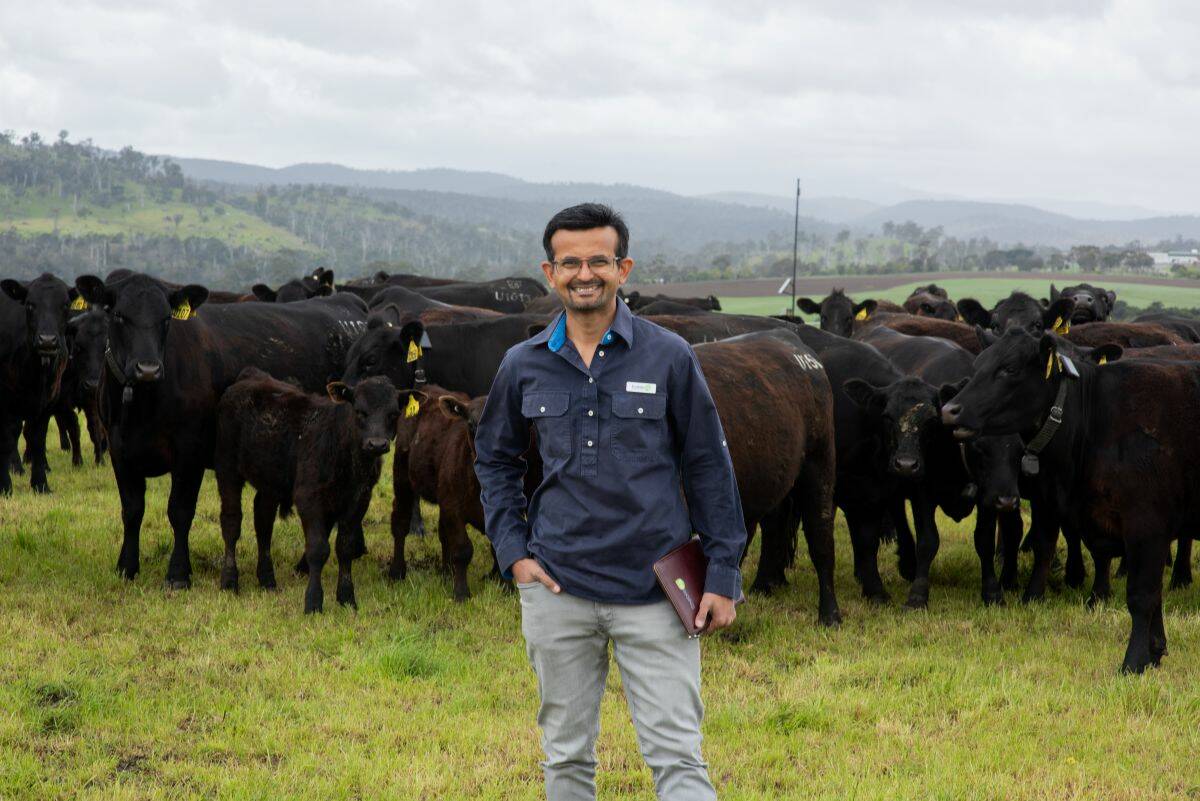
What’s more, time management coach Ram Savana, founder of Enable Ag, believes that the word “busy” is overused and that there is a false judgement around it.
Read Also
New financing possibilities open for tractor firm
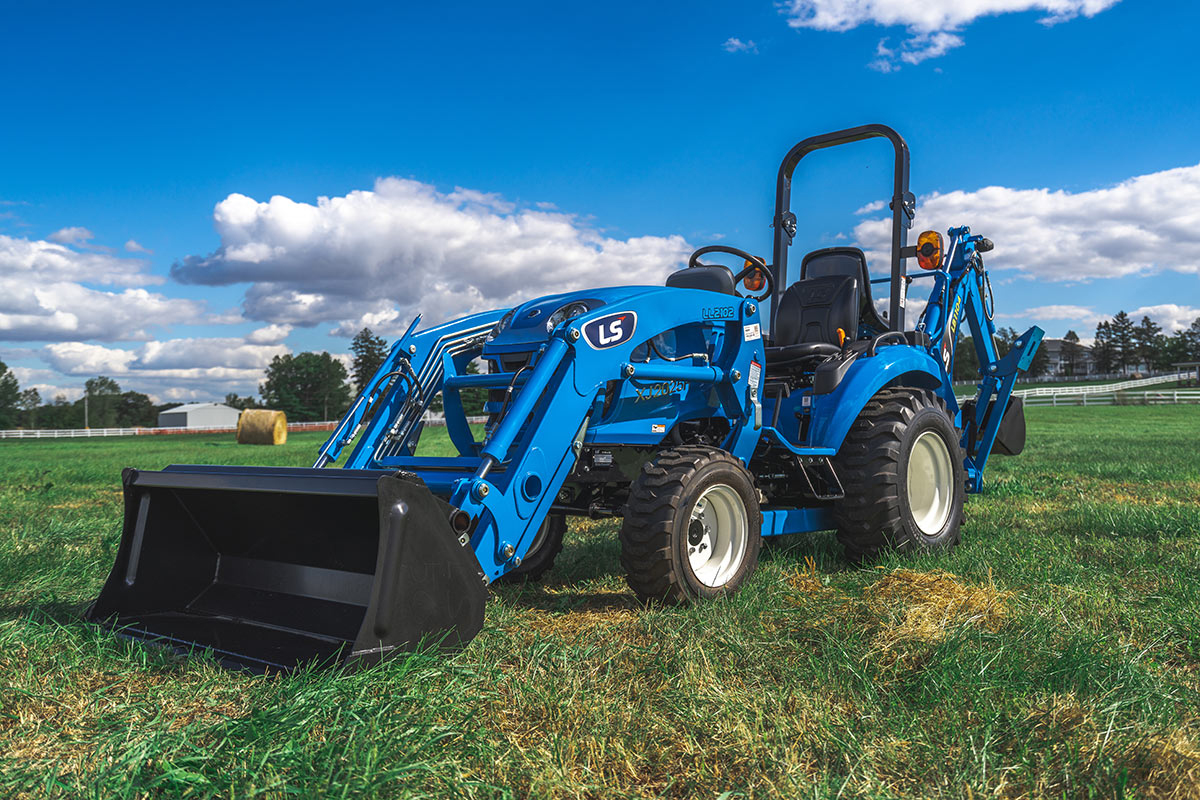
A tractor company aimed at hobby farmers and rural property owners is getting a boost through a new finance agreement with a North American financing and asset solutions firm.
“If a farmer says they’re not busy, they may be judged in the community as not being productive,” says Savana. “The mindset of the people in the farming sector (is) that busy means productive. No, not at all.”
Savana encourages farmers to break the association between being busy and being productive.
“Sit back, think, plan, allocate time to be proactive, then you become more productive,” he says.
Sharing tips based on his experiences
Growing up on a family farm in India is what eventually led Savana to time management consulting. His parents were organic farmers and worked long hours to make money to provide a good education for their three children, but that meant that Savana didn’t get to spend much time with them growing up.
After graduating with a master’s of biotechnology at Melbourne University, he worked in the medical devices sector for several years before moving to Tasmania, where he turned his attention back to agriculture. After working on a farm and learning about Australian farm production, he began coaching farmers on how to manage, plan and delegate their time more efficiently.
A sought-after speaker on time management, he established Enable Ag to help farmers find more time for themselves and their families.
“I began with processes and systems. I thought if I put enough systems in place, the farmer will have all the time in the world, but I notic(ed) that the farmers started going back to their old habits … once the consulting period was over,” says Savana.
“I realized it was not the systems that they needed, they needed to upgrade themselves, they needed to change their mindset because their relationship with time needed to be changed,” he says. “Now I focus on how they can build a beautiful relationship with time rather than a relationship where they fall back into old habits.”
That change of mindset begins by realizing no one is indispensable.
“The farmer needs to think this way: if you’re doing everything yourself, or you think that you are the only one who can do things, you’re limiting the growth of your business,” he says.
Savana has developed the following framework to help farmers manage their time more efficiently to be more productive and profitable.
Task and time audit
Savana begins the consultation process with what he calls a task and time audit. This looks at what tasks the farmer is doing, how much time they are spending on each task and, importantly, when they are doing them.
“They need to look at what time of the day they are doing tasks, because there is time and there is energy,” he says. “They need to know what the energy levels are when they are working on what kind of tasks. If they are in a strategy meeting always in the afternoon, for some farmers it is draining because they’ve already used the best part of (their energy) to drive a tractor in the morning. (S)trategically align the best use of energy with the time to do the tasks that are going to bring the best result to your farm.”
Proactive versus reactive
While there are things that happen in farming that can’t be predicted (e.g., weather), Savana believes that 60 to 80 per cent of what happens on the farm is reasonably predictable. He challenges farmers to think more proactively about that percentage.
“Humans react to various things; they don’t want to be in proactive mode. But if they train their brain to be as much as possible in proactive mode, they can plan things more effectively and will have a far more productive farm and a more composed life rather than always being in the rush of busy-ness,” he says.
Take a step aside
Savana says very few people know how to manage time effectively and farmers often have a mentality of “don’t complain, just get on with it.”
Many of the farmers he works with see their profitability increase year over year, even as they find more time to spend with their families. How are they doing it? They are taking a step aside, he says.
“They are stepping aside to assess where the time is being spent, where their energy is being spent, and are they being smart about where it’s being spent,” he says.
“Do they have the right people? Do they have the right systems? Do they have the right routines in their own life? Are they taking enough care of themselves? All these things are part of looking after yourself and upgrading yourself. The moment you step aside and see things from a different angle, then the domino effect starts, one change leads to another and another.”
Don’t be distracted by “shiny things”
Frequently, Savana comes across farmers who want to find new technology that will solve their time management issues and make them more productive immediately.
However, Savana emphasizes that while technology has its place, farmers need to focus on best practices first, which are characterized by three questions:
Why are we doing what we are doing? “You need to plan proactively before you talk to your team, so have an operations meeting before a staff meeting,” Savana says. “That’s when you talk about why you need to do what you do in the business.”
How should things be done? “Anything and everything that is repeated in the business should be in a systems list,” he says. “All the systems policies, processes, standards, flow charts, videos, everything in your business should all be listed and in one place, so when somebody needs to know how to do something, they are able to find it.”
What needs to be done? “The ‘what’ needs to be answered with a task management system, and this is where technology can come into play,” Savana says. There are many different platforms farmers can choose from. They can be as basic as a spreadsheet or as complicated as a dashboard system with custom reports.
Savana says trying to adopt technology before answering those three questions will simply be a distraction or, worse, an actual time-waster.
“People do need some tools to be able to know what’s going to happen in the next month, or six months or the whole year because every farm has a rhythm, there is a sequence of events happening (unless they are establishing a farm for the first time),” Savana says.
“You cannot put a system in place if it’s not optimized. It needs to have some rhythm. When there is a rhythm … then you want to put a system in place so that other people can follow it. If you try to optimize too early, you will be constantly trying to fix it because you’re putting the system in at the wrong time.”
Practice what you preach
Effective time management isn’t just about managing your own time but managing the time of staff and other members of the farm team.
But it’s not possible to teach what you don’t know.
“If you want to make the best use of somebody else’s time, you need to make (the best) use of your own time first,” says Savana. “They are going to look at you, so if you are delegating tasks, you show them how it needs to be done but document it so you don’t have to keep on doing it. Because if you are solving the same problem multiple times, there should have been a system in place so that you are avoiding the distraction.”
How to know you need help with time management
One of the biggest signals that farmers have hit an impasse on time management is when there is overdependence on their role and they can’t step away from their business without serious consequences.
“That means they don’t realize that someday, whether by choice or by force, they will have to let their farm be run by somebody else,” says Savana. “As much as possible, they want to be in a position to make choices. The main question is, are you able to run the farm without being there (and maintain) 80 per cent efficiency at least continuously for three months? If you are able to do that, you don’t need a time management expert.”
The reality is that only a handful of businesses can achieve this result. Many end up with the owner, or someone else in the business, becoming a bottleneck.
“You’re formatting a bad culture because you don’t have enough systems in place, and you continue to hang on to people who have the skills to perform the job rather than getting people with the right values into the business,” Savana says.
“Align them with the right systems and you can train anybody to the way that you want.”
You can find Enable Ag’s free, downloadable checklist called the Farmers’ Ultimate Freedom Checklist, here. It will walk you through the fundamentals of how to start improving your time management.