

Glyphosate resistance hasn’t officially been discovered in Western Canada, but a weed scientist at North Dakota State University says it probably already exists in Manitoba, Saskatchewan or Alberta.
Jeff Stachler, a NDSU plant science professor in Fargo, N.D., told Manitoba Ag Days in Brandon that resistance was discovered in North Dakota and Minnesota several years ago, which means it is likely already across the border in Canada.
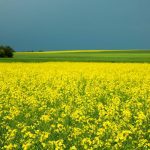
“In canola, it’s still amazing to me that you guys don’t have more problems,” he said.
Hugh Beckie, an Agriculture Canada specialist in herbicide resistance plants, said Stachler could be right.
“It’s hard to say if Jeff is correct or not…. but right now we just don’t have any evidence that there is glyphosate resistance.”
Agriculture Canada conducts weed surveys in Manitoba, Saskatchewan and Alberta but haven’t found a conclusive case of resistance, said Robert Blackshaw, an Agriculture Canada weed scientist in Lethbridge.
But given the widespread resistance in U.S. border states, its safe to say that resistance is inevitable on the Prairies, Beckie added.
“My modeling results indicate that kochia is clearly the top weed that is likely to develop glyphosate resistance here in Western Canada, because of its emergence pattern and biological characteristics.”
Other possibilities are wild oats, green foxtail or cleavers, Beckie said.
Weed scientists in Canada have taken steps to educate producers that may delay the eventual emergence of resistance, he said.
Last spring they launched a website called weedtool.com, which is an assessment tool with 10 questions for producers. Based on responses, a grower can determine the risk, from low to high, of developing glyphosate resistance on a particular field.
“We hope that growers use it and if they are at high risk, they change their behaviour accordingly,” Beckie said.
However, glyphosate is still a cheap and effective weed control in Western Canada, he added, so growers may be reluctant to change their habits.