

WINNIPEG — When beef prices are at record highs, shoppers are reluctant to buy steak or even extra-lean ground beef.
In the pet food industry, manufacturers must make similar choices, such as, is it possible to use a protein other than beef when formulating dog food?
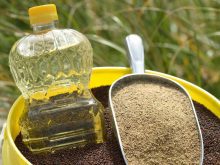
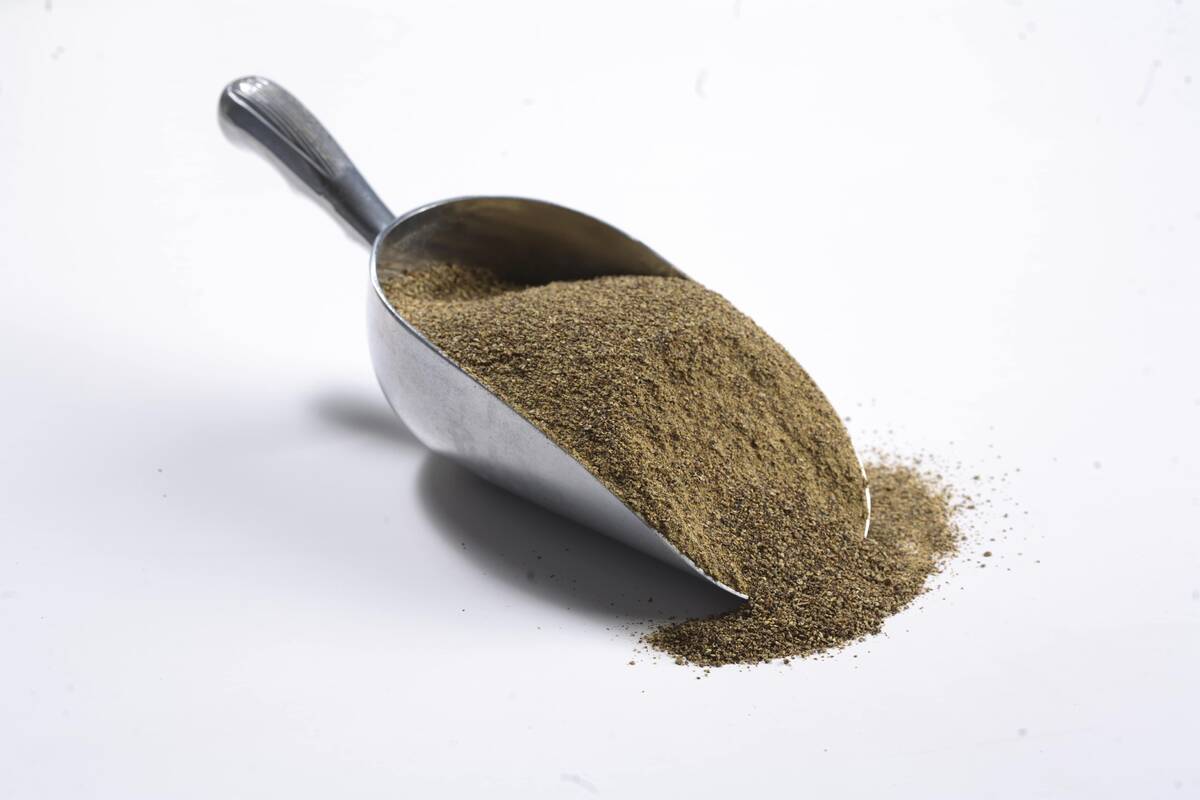
That question represents an opportunity for canola meal, which is a high-quality and healthy protein for dogs.
“It (canola meal) is a fraction of the cost of some of these high-end ingredients,” said Rex Newkirk, a University of Saskatchewan associate professor and Saskatchewan Ministry of Agriculture research chair in feed processing technology.
Read Also
Saskatchewan Seed Guide correction issued on lentil varieties
The large gren lentil varieties CDC Greenstar and CDC Greenland were mistakenly listed with a Clearfield designation in the 2026 Saskatchewan Seed Guide.
“You’re going to have a significant savings in cost, and the dogs like to eat it.”
Newkirk, who works with pet food companies to develop formulations, said the dog food market could become a significant opportunity for Canada’s canola industry.
Canola meal produced at canola crushing plants in Western Canada is mostly sold to the American dairy industry or exported to China for livestock feed.
WHY IT MATTERS: The pet food market is smaller than feed for dairy cattle, but it has some scale. In 2025, America’s dog food market was worth about US$39 billion, says Mordor Intelligence, a research firm.
If more dog food companies included canola meal in their formulations, or at a higher percentage, it could create a new market for canola meal worth hundreds of millions or more.
“Money-wise, pet foods are huge, and surprising volumes,” said Newkirk, a faculty member in the university’s animal and poultry science department.
“It’s one more place for that material (canola meal) to go.”
Capturing a larger share of the dog food market will take time.
Some pet food companies, such as Purina, do include canola meal in their formulations. It’s an ingredient in brands such as Purina One, Purina Pro-Plan and Purina Beyond.
Smaller companies such as Blue Buffalo also use canola meal.
In 2024, Blue Buffalo published a study on dogs and the amount of canola protein in the formulation.
It found that dogs preferred 10 per cent canola meal in their food rather than five per cent.
“Overall, digestibility… and palatability were not impacted by canola meal up to 10 per cent inclusion, suggesting that it is an acceptable ingredient for dog diets,” says the study, published in the Journal of Animal Science.
Pet food different than livestock feed
Other research also shows that canola meal is a good option for dog food manufacturers.
It’s a source of fibre, which dogs need in their diet, and doesn’t have the allergy risk associated with soybean meal.
“It’s a high-protein material, but also has significant fibre,” Newkirk said.
Because it’s cheaper than proteins such as beef, salmon or chicken, it would make economic sense for pet food companies to include canola meal in their formulations.
That sort of decision would happen quickly in the livestock industry. If it’s cheaper to include one ingredient in a ration, say barley instead of corn, livestock producers would shift to barley.
That’s not how things work in pet food, Newkirk said.
The manufacturers go with a fixed formula and then brand that formula to pet owners.
“They are really cautious about changing formulations.”
They would need a strong reason to change and use canola meal as an ingredient.
So, convincing more companies to try canola meal in their formulations is a long-term project.
There’s also the matter of public perceptions and convincing pet owners that canola meal is a healthy ingredient.
Unfortunately, the internet is awash with misinformation about canola.
“In the States, there are some hired guns… that badmouth things for pay — (the) influencers,” Newkirk said.
There are hurdles to overcome, but the effort could be worth it. The dairy industry isn’t expanding, so canola meal needs more markets in North America and around the globe.