

Cooler than usual temperatures have slowed the spring melt and should reduce the severity of flooding in the Red River Valley, say officials with Manitoba Water Stewardship.
Forecasters predict the river will crest between Winnipeg and the U.S. border at levels only slightly higher than in 2006, the fourth worst flood in Manitoba’s recorded history.
Previously, the province’s forecasters were expecting floodwaters to crest at 1979 levels, the second worst flood after 1997.
While the slow melt is good news, the peak in St. Adolphe, 20 kilometres south of Winnipeg, is not expected to arrive until April 15, which will likely delay seeding in the valley.
Read Also
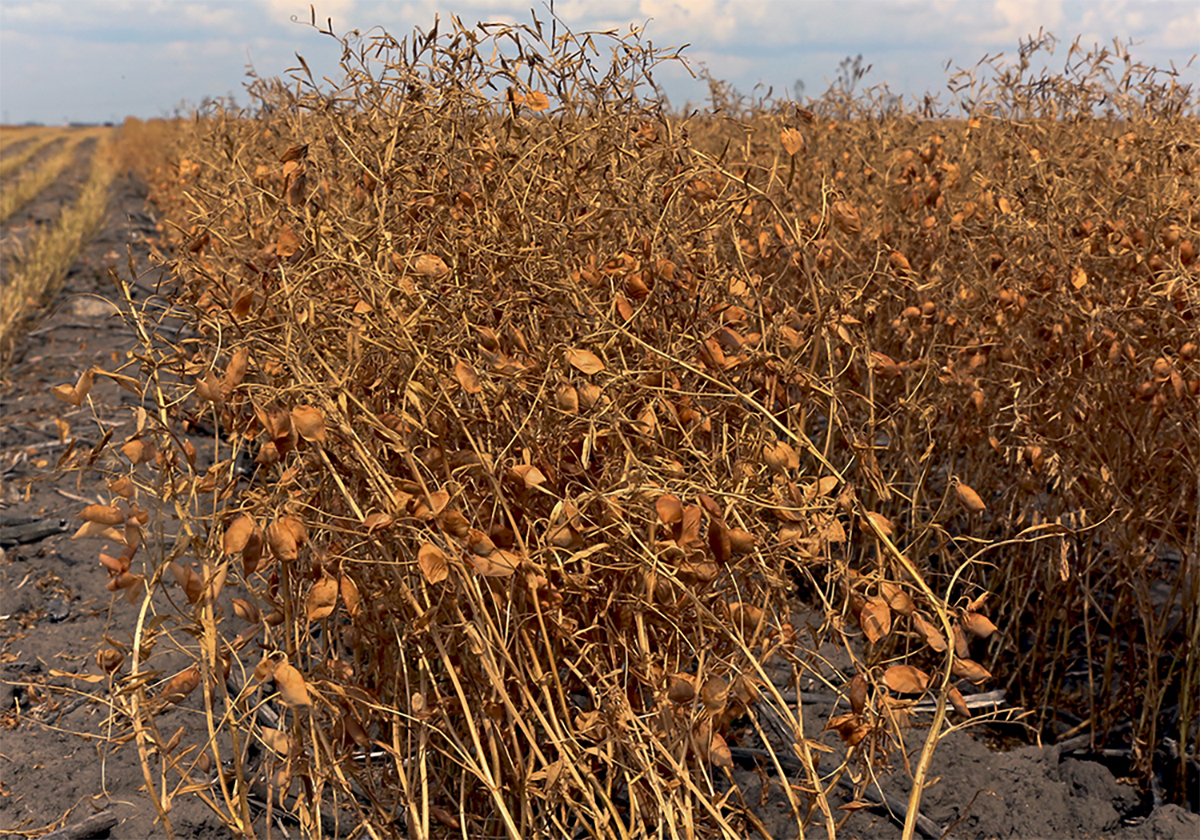
Red lentils priced higher than large greens
Red lentil prices have eclipsed large green lentil prices for the first time since 2014.
However, at press time, a layer of snow and ice still covered most of the Red River in Manitoba. According to provincial officials, the water won’t crest until the ice melts.
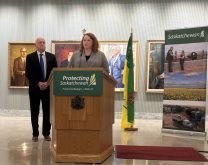
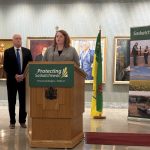
“This is an unusual year for ice conditions,” said Steve Topping, executive director of Manitoba Water Stewardship, during a news conference last week at the provincial legislature in Winnipeg.
Nearly two weeks of below normal spring temperatures, with the thermometer barely getting above 0 C, has allowed river ice to stick around later than usual.
“We’re in territory we’ve never been in before,” added Topping, referring to the complexity of predicting and responding to spring flooding when ice remains on the river.
“Ice is totally unpredictable.”
Nonetheless, Topping said ice jams, like the ones that have plagued communities north of Winnipeg, are unlikely to develop in the Red River south of the city.
That stretch of the Red has fewer bridges and doesn’t have a history of ice jams.
Whether or not the ice remains, the first crest of the Red River in Manitoba is expected April 9 at Emerson.
That peak flow and the related agricultural flooding around Emerson will tell producers farther north in the valley what to expect and when. Even if it is a 2006 level flood, and not a more severe 1979 scenario, the Red River would still cover thousands of acres of cropland south of Winnipeg.
Compounding the situation, a melt in March, followed by cold weather, has frozen many culverts in the region.
“We’ve had such a weird year, with rainfall in February, then we had a fairly significant melt, then it turned cold. That really seals things off,” said Andy Nadler, an ag meteorological specialist with Manitoba Agriculture.
As a result, employees from the provincial and local governments are using steamers to melt frozen culverts across southern Manitoba.
Looking ahead, based on predictions from the U.S. National Weather Service (NWS), a second crest could hit the Red River Valley in a few weeks.
Snow from a blizzard that hit North Dakota in late March hasn’t melted yet and should cause a second crest in Fargo, N.D., in the middle of April. That water will arrive in Manitoba later this month.