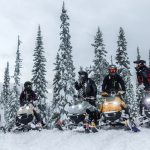


It’s a familiar refrain on the Prairies: “Cold? Cold? This isn’t cold. I remember the winter of …”
However, our elders can’t scoff at how cold it’s been this year.
David Phillips, senior climatologist with Environment Canada, says 2008-09 has been a throwback to winters of the 1940s and 1950s.
How cold has it been on the Prairies? Phillips uses Regina an example, which has had its coldest winter since 1981.
“Regina was 3.3 degrees colder than normal (over the winter),” he said.
“That’s the coldest in 28 years.”
Read Also
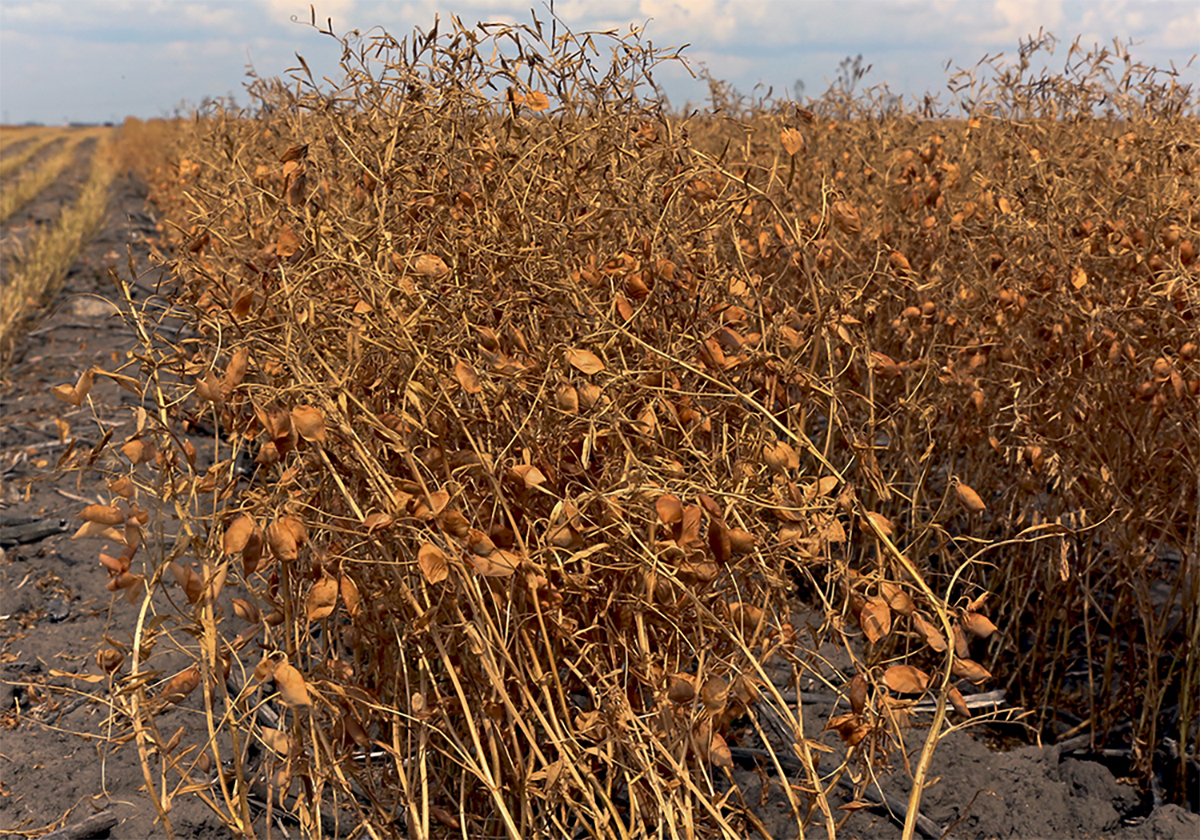
Red lentils priced higher than large greens
Red lentil prices have eclipsed large green lentil prices for the first time since 2014.
The rest of the Prairies was no warmer, he added, with Edmonton and Winnipeg both 2.6 C colder than normal.
Phillips used the word “relentless” to describe this winter, which he said was bone chilling from start to finish across the Prairies.
“It began with a real punch in the face. December is still the coldest of the three months.”
Environment Canada considers December-February as winter, even though March is usually a winter month in most of Western Canada.
Using Yorkton, Sask., as an example of how the winter began with a punch, Phillips said in a typical December Yorkton receives 14 days when the temperature drops below -20 C. Last December the thermometer sank below -20 C for 25 days.
And the cold didn’t let up, Phillips said. All three winter months were colder than normal.
“Once it (the cold) set in, there was no break,” he said.
Again, using Yorkton as an example, the average daily temperature in December was -20.3 C compared to a normal of -14.9 C. January was a half degree colder than normal, at -18.4 C. In February the average daily temperature in Yorkton was -15.6 C, compared to a normal of -13.7 C.
Phillips said 2008-09 was only the second winter in the last 25 years with three months of below normal temperatures. The other winter was 1995-96.
The old-school winter caught long-term forecasters off guard, because La Nina, which is basically cooler ocean temperatures in the equatorial Pacific Ocean, was not expected to develop.
“When we made our forecasts for the winter back in November, we weren’t confident that we were going to see La Nina,” said Mike Halpert, a forecaster with the U.S. National Weather Service’s Climate Prediction Centre.
The La Nina developed much later than it typically does, Halpert said, throwing off long-term predictions for the season.
“The La Nina played a bigger role than we anticipated, heading into the winter.”
Phillips said this winter’s temperatures were highly unusual for the last 30 years because the statistical trend, based on 60 years of data, indicates winters have become 3.2 C warmer.
“So when old-timers say that (winter) isn’t what it used to be, they’re absolutely right about that.”