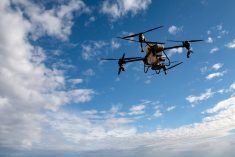

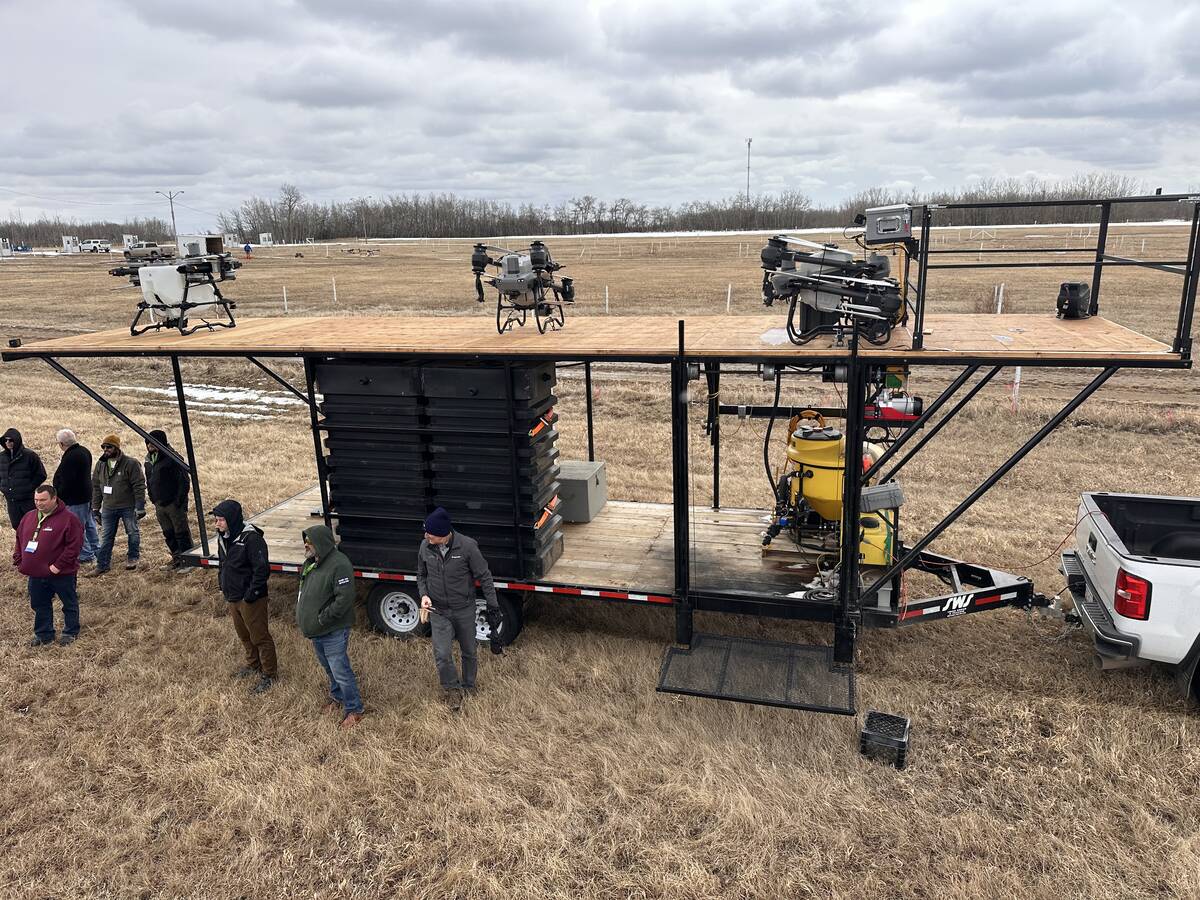
CAMROSE, Alta. — There is a combination of excitement and concern over the proposed Health Canada rules that are expected to be finalized this summer that will allow any pesticides that are available for aerial application be legal to apply by drone.
“I like what the regulations have done,” Markus Weber, a director of the newly formed Canadian Agricultural Drone Association, said during the group’s first conference.
“I didn’t like these years when we couldn’t spray. The reality is we don’t have a bunch of drone spraying businesses yet that are starting where people don’t know how to spray. The pesticide going down right now is from farmers who have spent decades spraying and understand the chemistry, and the risk is low. We are using a new tool but the same type of chemistry,” said Weber.
Read Also
Tips on getting your planter ready for spring planting
Eric Bossuyt with AgWest offers tips on what growers should check on their planter before heading into the field for planting season.
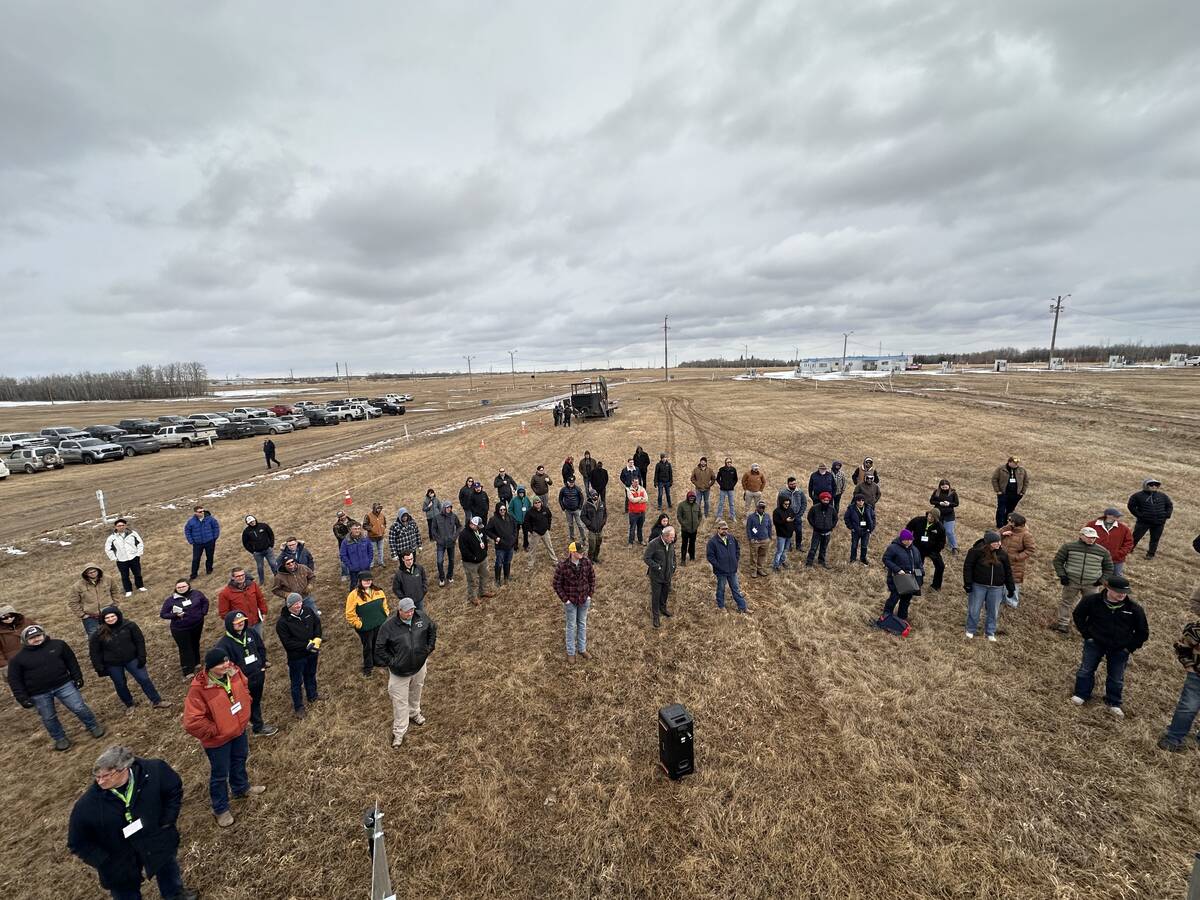
Earlier this year, Health Canada’s Pesticides Regulatory Directorate, formerly the Pest Management Regulatory Agency, received 130 comments about the proposed changes, which will be taken into consideration during the final proposal, said Monica Le of the directorate.
“The proposal would allow drone application for products that already have aerial application on their label,” Le said during a video presentation to the conference.
“The goal is to provide more flexibility to growers while assuring the existing label requirements continue to be applied in a way that everyone is protected,” she said.
Weber said he believes the 130 letters and years of lobbying forced the government’s hand to make a decision about drone regulations.
“I like the fact that farmers who were spraying have put some pressure on the government. Spraying was considered illegal, but they did it anyway. The need for enforcement really helped to move the needle and policy conversation.”
Steve Li, a scientist with Auburn University in Alabama, said Canada is lagging behind other countries in drone use because of the lack of regulations that made spraying pesticides with drones illegal.

“In Canada, drone use is in its infancy stage because PMRA has not fully opened up the label application for label changes. Whenever that happens in the future, your adoption will just be like the U.S. and go up exponentially. Right now it is in its infancy stage.”
In China, there are 250,000 to 300,000 spray drones spraying 350 to 400 million acres of cropland.
In the United States, there are 10,000 to 20,000 spray drones spraying 16 to 20 million acres, said Li.
As one of the few scientists tasked with studying pesticide application with drones in the U.S., Li said there are many questions still to be answered about drone use.
“It is overwhelming. We need more people to work on this. Even though I am one of the early adopters of drones on the research side, it doesn’t mean one person or one team can work on all the questions and get all the answers. We need more universities, more researchers to be involved and more funding. Funding is a big problem,” said Li.
Canadian scientist and spray researcher Tom Wolf said he is surprised the government has announced the label requirements will be the same with aerial applicators and drones.
“This is a policy decision, not a science decision. This is the biggest U-turn I have seen in my career that PMRA has made,” said Wolf.
“Their initial policy that drones were a unique and different application method was a sound decision because it is unique and different. It isn’t like an aircraft, and we have a evidence in studies the drones are more difficult to use than an aircraft in terms of uniformity and swath width. I would stand by the fact they are a unique and different application method. The PMRA no longer believes that and are going with their OECD (Organization for Economic Co-operation Development) partners, primarily U.S. and Australia,” said Wolf.
During the video presentation, Ross Breckels of the Pesticide Regulatory Directorate said the agency needed to weigh the risk to humans and the environment as well as implementation and regulatory compliance.
“We need to be somewhere in the middle of this. For this reason, the PMRA chose to align with many other OECD countries with respect to drone regulations,” said Breckels.
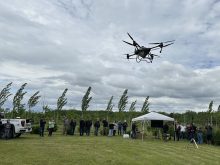
Wolf said while drones are new and exciting, they have a higher risk of spray drift than other application methods, especially with the low volume of water used in a drone and the smaller droplets created.
“I think as a country, we have to make a decision — do we still want to protect the environment? Do we still want to protect neighbouring crops? Do we still value that which we have done for 30 or 40 years? I still think we do value that, but we are opening the door to moving backwards.”
He said the ground sprayer pulled by a tractor is the gold standard of spraying with little drift. Wolf ranks high-clearance sprayers next followed by aerial applicators. The last place and worst for drift is drones.
“They have the least uniform pattern according to our data. They have the least consistent swath width, according to our data. They still have relatively unknown efficacy repercussions, and they are also the least productive, and here we are giving them the green light.”
Wolf said drones are not without their benefits. They are inexpensive to buy and easy to operate. They don’t leave tracks in the field and can get in hard-to-access places.
“They do have utility, and I don’t want to rain on that parade, but we have to balance that with the downside, and the downside is, are we viewed as responsible users of this pesticide technology or are we not? If we are not, we have a public image problem and possibly a future regulatory problem as well.”