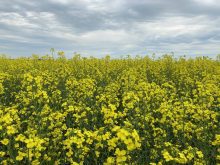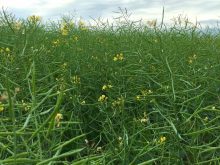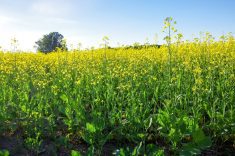


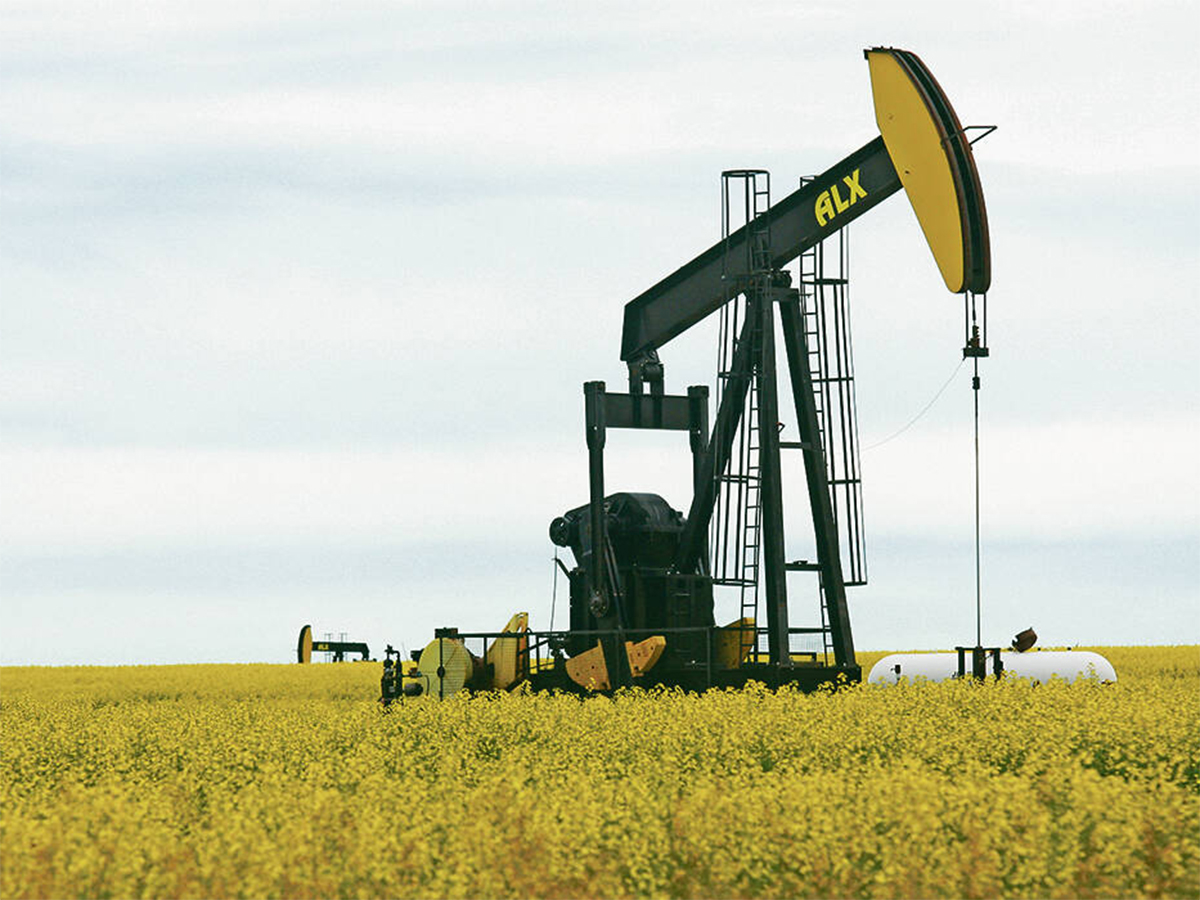
SASKATOON — Canola’s strong ties to crude oil is a cause for concern, says an analyst.
“The risk of a price drop is there, and farmers should be aware of it,” said Western Producer markets desk analyst Bruce Burnett.
Nearby canola futures values rallied 17 per cent between the start of the year and April 7, due in a large part to surging crude oil prices.
Read Also
Industry shares its thoughts on agriculture policy
At last month’s Agricultural Producers Association of Saskatchewan Policy Summit, various industry heads brought forward ideas that they wanted producers to consider for the agriculture sector’s Next Policy Framework .
The link between the two commodities is stronger than ever due to increased global biofuel demand for soybean, canola, palm and other vegetable oils.
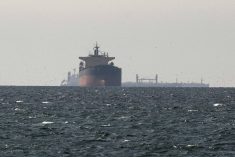
Some countries are increasing biofuel blending rates to help combat rising crude oil prices caused by conflict in the Middle East and severely restricted oil tanker traffic in the Strait of Hormuz.
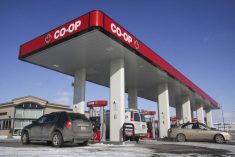
The average retail price for diesel fuel in Canada was $2.33 per litre as of early April, according to Natural Resources Canada. That is 59 per cent higher than where it was at the start the year.
Canola has benefited from diesel’s price appreciation.
But what happens if there is a resolution to the conflict in Iran and oil tankers are suddenly able to once again move through the Strait of Hormuz, putting downward pressure on fuel prices?
“There is a risk that (canola) prices will go down if the crude oil prices drop dramatically,” said Burnett.
As a result, it might be time to consider locking in today’s prices, which are decent.
“Look at selling a little bit, especially if you haven’t sold any new crop yet,” he said.
Farmers have not planted their crop and have no idea how much they will be producing, but this is an opportunity to protect at least a portion of that production against the downside risk.
Why it Matters: The situation in Iran appears to be coming to a head.
Errol Anderson, author of Errol’s Commodity Wire on Substack, does not agree with that approach.
He doesn’t think crude oil prices will fall back to where they were if there is a resolution to the conflict in Iran.
He could see maybe a US$10 to $15 per barrel reduction, or something along those lines.
Canola’s response could be even more muted.
“I don’t think canola is going to come down much,” said Anderson.
“I think the biodiesel (demand) is pretty firm.”
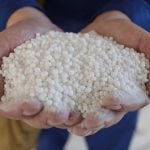
In fact, if anything, he is bullish canola and other grain and oilseed prices because he believes farmers will cut back on nitrogen fertilizer, given today’s prices.
That will reduce yields for crops such as corn, wheat and canola that rely on nitrogen fertilizer.
Anderson believes corn is undervalued, with futures values up only about four per cent since the start of the war versus a 55 per cent surge in urea prices.
“There’s a real disconnect there,” he said.
He believes grain and oilseed prices are due for a boost.
“Could canola go up to $760 (per tonne) again? Well sure. Why not?” said Anderson.
He is advising farmers against rushing into signing contracts right now.
“Normally, I’m just the opposite,” he said.
“But this year it’s just a different world.”
Burnett believes now is the time to sell some grain or perhaps consider purchasing options, although that is a “very expensive” proposition.
He doesn’t know if farmers would be willing to take on that extra expense, given where input prices are at.
The good news is that farmers might have some time to weigh their options because he believes it will take a while for fuel markets to normalize after peace is declared.
Crude oil has a lengthy supply chain, and there are no empty oil tankers floating near the Strait of Hormuz these days.
It would likely take 20 to 30 days just to get tankers back in the vicinity, not to mention how long it takes to get production and distribution back up and running in exporting nations in the Persian Gulf.
“It’s going to take a while for the kinks in the supply chain to even out again,” said Burnett.
In other words, don’t expect crude oil prices to drop US$30 to $40 per barrel in a matter of weeks.
In the meantime, farmers must figure out how much canola they’re going to plant in 2026.
Statistics Canada is forecasting 21.8 million acres, a one per cent increase over last year.
Burnett thinks that sounds about right. Canola has experienced a better price improvement than cereal grains in recent months, but high nitrogen fertilizer costs will offset those gains.
He thinks farmers might plant an additional 500,000 acres but not two to three million more than last year.