
By Mark Weinraub
CHICAGO, May 5 (Reuters) – U.S. planting of corn and soybeans remained on a slow pace during the past week, largely because of delays in Iowa, the top production state for both crops.
Farmers had planted just 29 percent of their corn crop as of May 4, up 10 percentage points from a week earlier, according to the U.S. Department of Agriculture’s weekly crop progress and condition report. That compares with the five-year average of 42 percent and analyst expectations of 33 percent.
In a good week, farmers can plant about one-third of total corn acreage.
Read Also
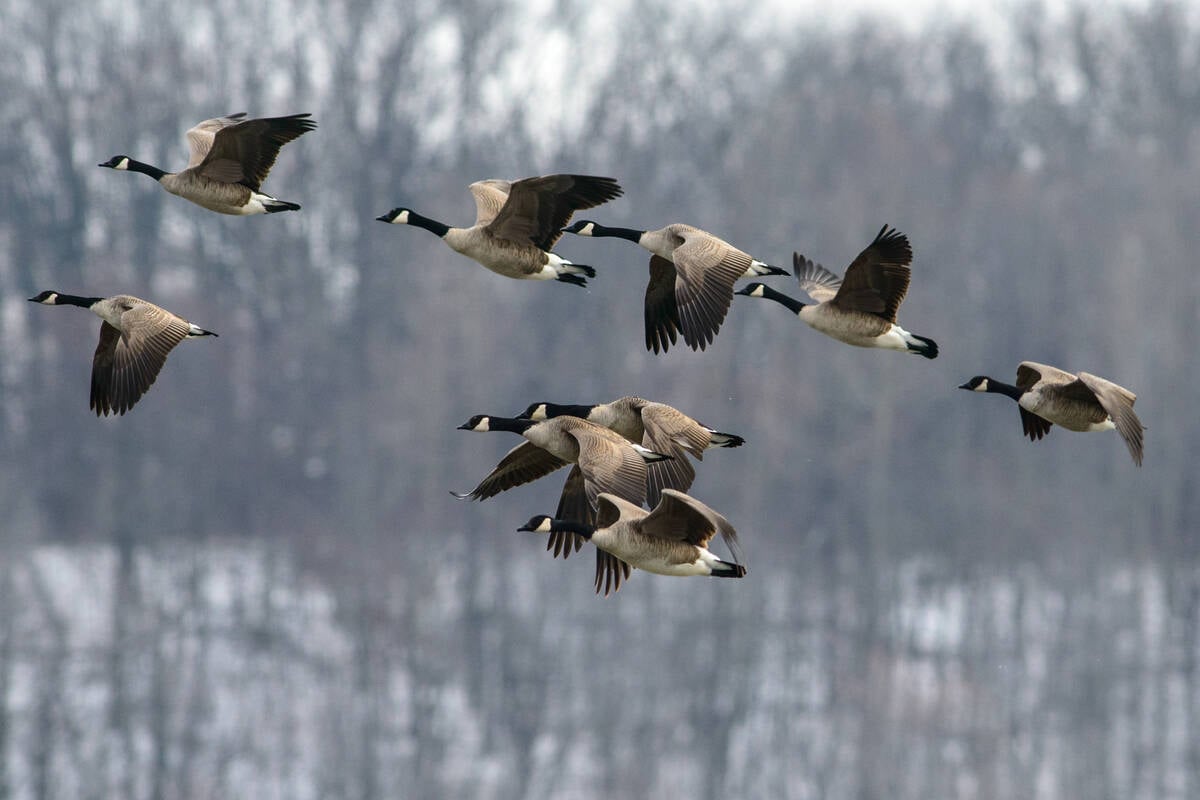
How we’re tracking avian flu’s toll on wildlife across North America
Avian influenza is a virus that is clearly a threat to livestock and human health. Our team, a collaboration of governments and academics across the country, recently assessed the extent of HPAI A(H5Nx) in at-risk species across Canada.
Soybean planting was five percent complete compared with three percent a week ago. Analysts had expected soybean planting to be eight percent complete. The five-year average is 11 percent.
The condition of winter what continued to erode in the U.S. Plains in the face of hot and dry weather. USDA said good to excellent ratings for winter wheat fell two percentage points to 31 percent, matching trade expectations.
That was the lowest rating for early May for the winter wheat crop since 1996, when the crop was rated 26 percent good to excellent.
Scorching temperatures in the southern U.S. Plains over the weekend stressed developing winter wheat crops that have already endured months of drought, and relief is not expected until mid-week, forecasters said on Monday.
There was a severe decline in Kansas, the largest winter wheat state. The poor-to-very poor condition rating fell to 47 percent (37 percent the previous week), fair was 36 percent (42 percent) and good-to-excellent rating was 17 percent (21 percent last week.)
SEEDING SLOW IN WESTERN CORN BELT
In Iowa, farmers had finished just 23 percent of their corn planting and five percent of their soybean planting.
“Cool weather and persistent wet conditions hindered fieldwork in Iowa during the week,” the Iowa field office of USDA’s National Statistics Service said in a report. “Average temperatures were below normal for the week, but average precipitation was above normal.”
Growers in Minnesota also were well behind their usual pace as soil temperatures were still too cold in many areas for farmers to start running tractors.
In Illinois, typically the second-biggest producer of corn, farmers were ahead of pace, with 43 percent of their corn planting completed.
USDA also said that spring wheat planting was 26 percent complete, in line with analysts’ forecasts but behind the five-year average of 41 percent.