
BRASILIA, Brazil (Reuters) — Canada and the South American trade bloc Mercosur plan to announce the start of negotiations for a free-trade deal during the World Trade Organization’s annual meeting in Argentina, two sources told the Reuters news agency.
The governments of all four full members of Mercosur — Argentina, Brazil, Paraguay, and Uruguay — have agreed to join the talks, said the sources, who requested anonymity as the details of the deliberations are private.
In Canada, the talks need to be approved by cabinet, though that step is considered a formality, one source added.
Read Also
Industry shares its thoughts on agriculture policy
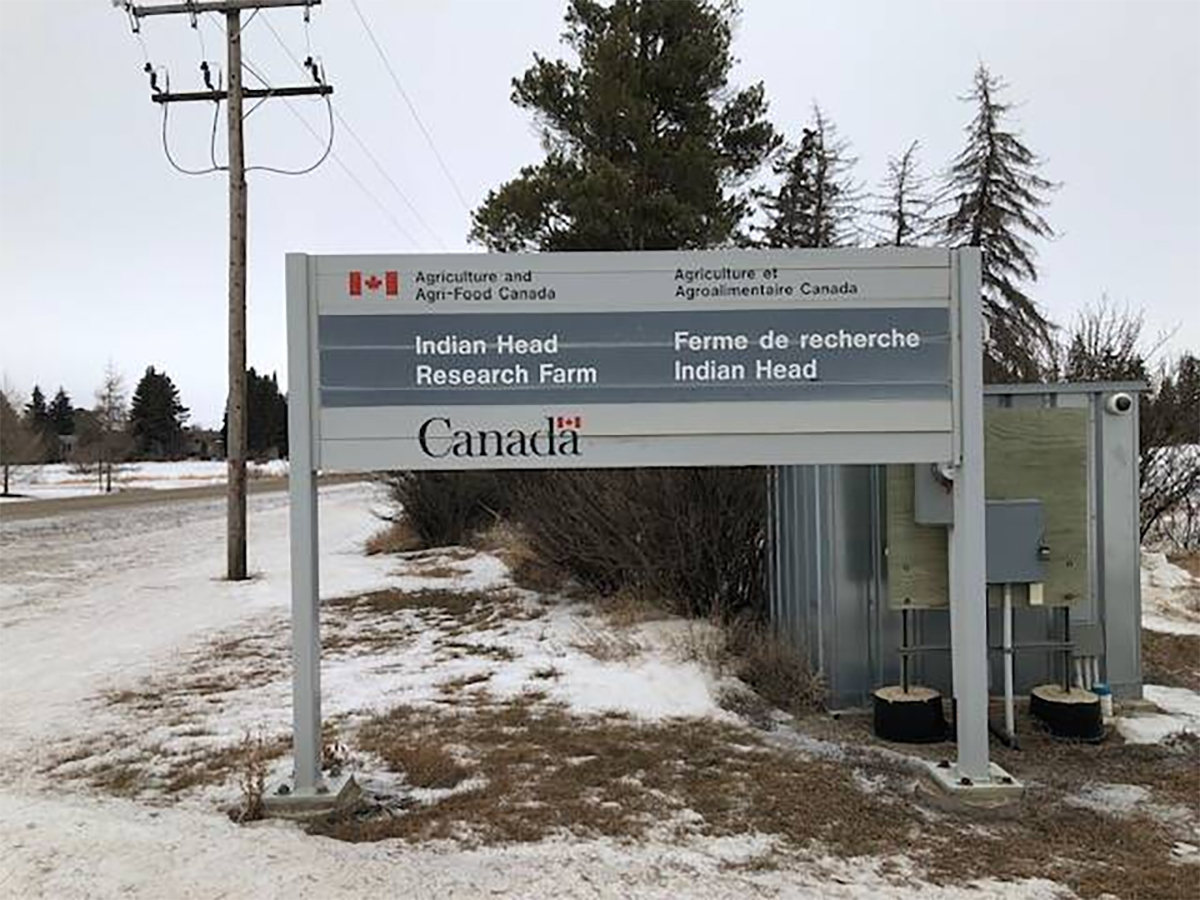
At last month’s Agricultural Producers Association of Saskatchewan Policy Summit, various industry heads brought forward ideas that they wanted producers to consider for the agriculture sector’s Next Policy Framework .
Consulted by Reuters, a spokesperson for Canadian Minister of International Trade Francois-Philippe Champagne said that the country “reaffirms that there exists an opportunity for an agreement with the Mercosur and that we’re going to continue with exploratory conversations.”
Brazil’s foreign ministry, which negotiates trade talks for the government, did not immediately reply to a request for comment.
Brazilian Foreign Minister Aloysio Nunes met with Champagne at a WTO meeting in Morocco last week.
After the meeting, the Brazilian foreign ministry issued a statement saying it “recognized there exists strong potential for the development of a more ambitious commercial relationship.”
Trade between Mercosur in Canada is small, though there are significant areas for potential growth, the sources said.
According to the Brazilian government, trade in 2016 between the parties was $5.88 billion, about a tenth the size of trade between Mercosur and the United States.
The Brazilian government has identified opportunities in the industrial sector, as well as in agriculture where significantly different climates mean complementary rather than competing exports, one of the sources added.