

SASKATOON — Soaring diesel prices are driving up the costs of shipping grain, according to an expert.
The average retail price for diesel in Canada was $2.33 per litre in early April, up from $1.46 at the start of the year, according to Natural Resources Canada.
That is a 60 per cent increase.
Read Also

Researchers determine pea aphid thresholds
While pea aphids are aptly named after a crop they affect, they don’t only seek out peas and pulses. They feed on any legume from peas and faba beans to clover and alfalfa.
Pricey diesel is having an immediate impact on the cost of getting grain from the farm to the elevator.
When it comes to rail transportation costs, it gets more complicated, said Mark Hemmes, president of Quorum Corp., Canada’s grain monitor.
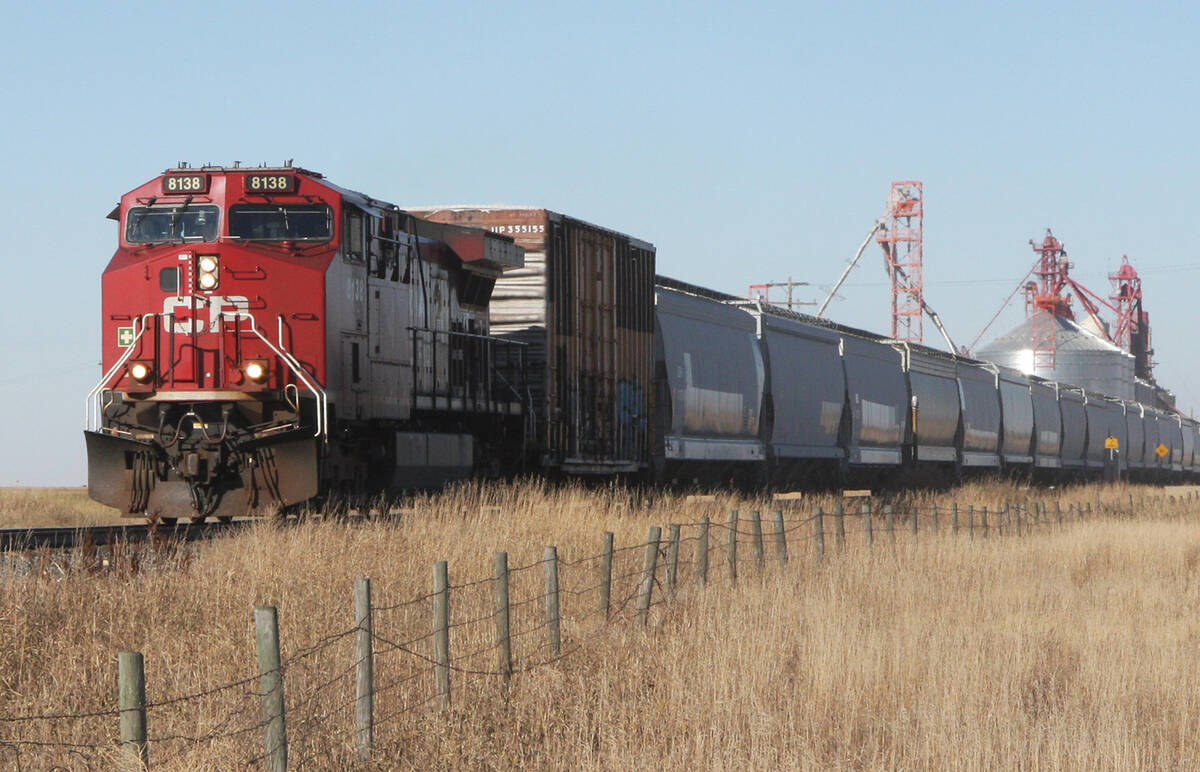
The country’s rail shipping rates for grain are guided and regulated by the maximum revenue entitlement.
At the end of every crop year, the railways are allowed to adjust their actual revenues by applying deductions such as capital investments, depreciation on rail cars and fuel costs to help ensure their revenues stay below their maximum entitlement.
The upshot is that farmers will not likely experience the full impact of higher diesel prices until later in the year when those calculations are made, said Hemmes.
Why it Matters: Farmers still have a lot of grain to ship from the 2025 crop.
Farmers in the United States will start feeling the impact on their rail transportation costs sooner than growers in Canada.
The U.S. Department of Agriculture’s Agricultural Marketing Service (AMS) says rising diesel prices will raise rail fuel surcharges starting in May in that country.
The U.S. average diesel fuel price has increased US$1.48 per gallon in the past three weeks to $5.38 per gallon. That is a 38 per cent increase.
“Because fuel surcharges are lagged by two months, March’s diesel price increases will be reflected in May’s fuel surcharge,” the AMS said in its March 26 Grain Transportation Report.
It is forecasting that Union Pacific Railroad’s fuel surcharge will rise to $0.61 per mile in May, up from $0.29 in March, while BNSF Railway’s surcharge will rise to $0.38 per mile from $0.06.
“For an 1,800-mile route, these changes in fuel surcharges would add about $575 per car to the total freight,” said the AMS.
The agency expects shippers to maximize their shipping volumes in April to take advantage of the lower fuel surcharges that month.
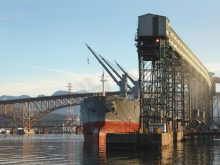
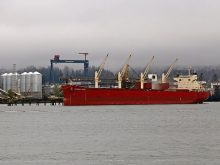
Hemmes said Canadian growers will be facing higher ocean freight bills in the coming months.
Ship & Bunker reports that the Global 20 Ports Average rate for bunker fuel was US$957.50 per tonne as of April 2, slightly more than double the Jan. 1 price of $464.
“You can see how that’s going to have a considerable effect on what ocean freight is going to do,” said Hemmes.
He noted that fuel accounts for almost half of the total costs of shipping products by ocean vessel.
However, farmers won’t see those higher ocean freight costs for another month or so because exporters contract vessels six to 12 weeks in advance.
That means the contract terms for a vessel leaving a port today were likely agreed to before the war in Iran drove up diesel and bunker fuel prices.
Hemmes expects ocean freight rates to rise starting around the beginning of May when seeding is underway in Western Canada.
The good news is that everything Hemmes has been reading suggests grain prices are likely heading higher as well, which should help offset rising transportation costs.
If that happens, then the costs will be pushed a little further down the supply chain.
“As consumers, we’re probably the ones who are going to bear the brunt of it,” he said.