

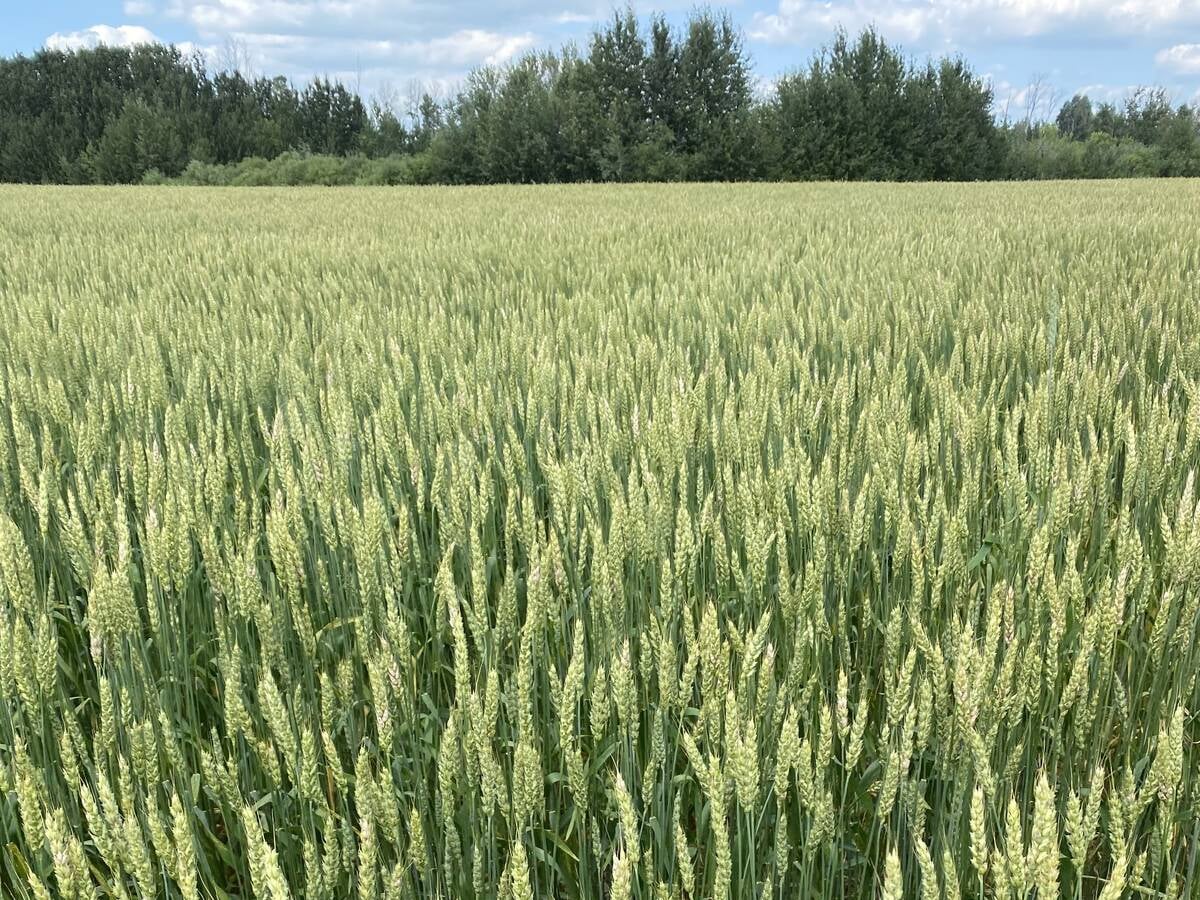
SASKATOON — Farmers in the United States are poised to plant the smallest spring wheat crop since 1970, according to the U.S. Department of Agriculture.
The USDA is forecasting 9.42 million acres, down six per cent from last year. An estimated 8.78 million acres of that will be hard red spring wheat.
DTN analyst Rhett Montgomery thinks that number sounds about right, considering Minneapolis wheat futures trended down through almost all of 2025.
Read Also
Researchers determine pea aphid thresholds
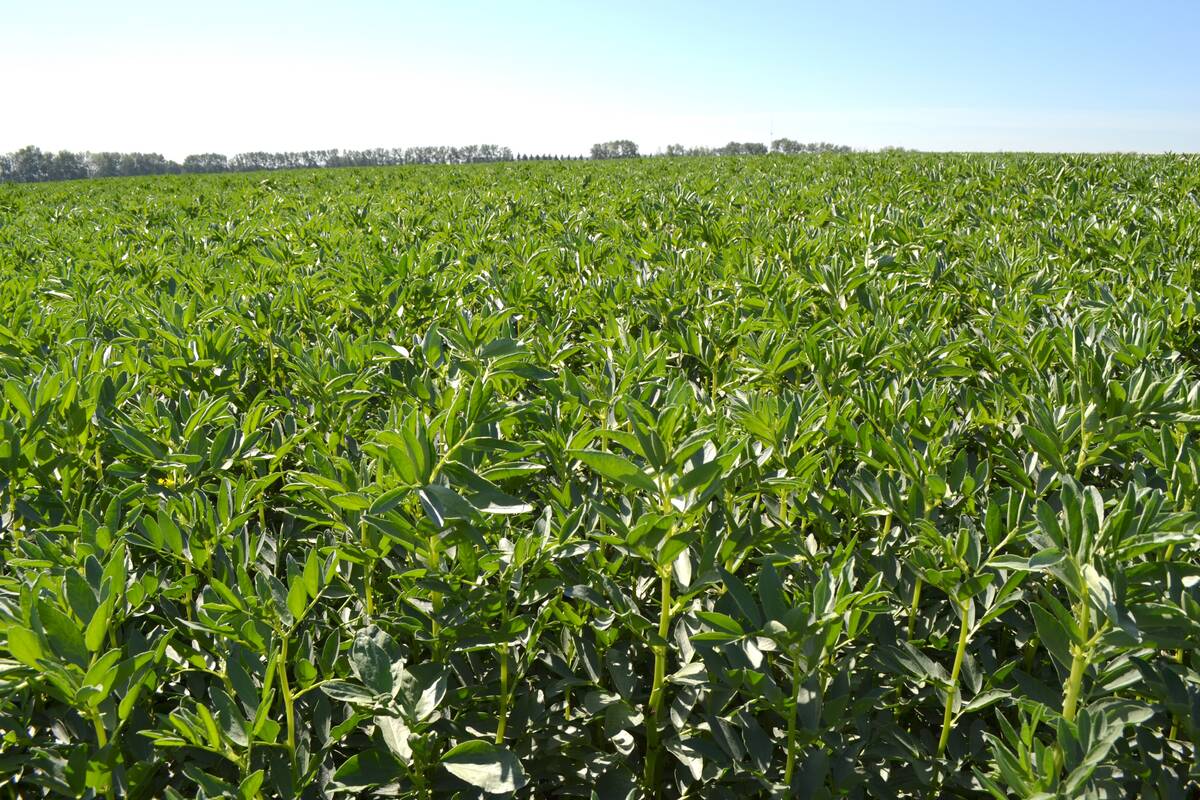
While pea aphids are aptly named after a crop they affect, they don’t only seek out peas and pulses. They feed on any legume from peas and faba beans to clover and alfalfa.
Wheat futures have since recovered a bit due to geopolitical turmoil in the Middle East and dryness in the southern and central Plains region of the U.S.
However, wheat profitability remains challenging, and there is stiff competition for acres.
“With biofuel mandates and everything, it really seems like it’s going to be kind of the year of the oilseed,” Montgomery said during a recent webinar.
He thinks there will be some movement out of spring wheat and into canola and soybeans in the northern Plains, so a 575,000 acre drop in spring wheat planting sounds about right to him.
Why it Matters: U.S. spring wheat competes with Canadian spring wheat in overseas markets.
The good news is that noncommercial traders in Kansas City, Chicago and Minneapolis are holding their most bullish position in wheat futures since late 2022.
In fact, they have a net long position in wheat futures for the first time since 2022.
Montgomery said it will be interesting to see if they increase that net long position, depending on what happens in the Middle East and how weather conditions unfold in the winter wheat growing region of the U.S.
Montgomery’s colleague, Mitch Miller, who is DTN’s contributing Canadian grains analyst, noted in a recent column that drought still has a firm grip on the southern Plains, with 68 per cent of winter wheat area affected.
“This will lead to tough decisions on top-dressing nitrogen given the fertilizer situation,” he wrote.
Crop prospects are even worse in Australia, which is heavily dependent on fuel and fertilizer from the Middle East.
Seeding of wheat, barley and canola occurs from now until June in that country.
Miller noted that supplies of those two key crop inputs are already “critically short” heading into seeding, and it will likely take three to four months to return to normal shipments once the Strait of Hormuz is fully operational again.
“It’s hard to imagine a scenario where a normal production level can be expected from Australia,” he said.
Australia harvested a bumper crop of 36 million tonnes of wheat in 2025-26, but production can vary wildly. Two years prior to that, growers took off 26 million tonnes of the crop.
Statistics Canada is forecasting that 18.78 million acres of spring wheat will be planted in Canada, down slightly from the 18.81 million acres seeded in 2025.
Production could be limited by drought conditions in southern Alberta and southwestern Saskatchewan, said Miller.
Agriculture Canada is forecasting 4.5 million tonnes of wheat (excluding durum) carryout in 2026-27, which is “relatively tight” compared to the 5.9 million tonnes forecast for the current marketing year.
Taken together, the spring wheat outlook for the U.S., Australia and Canada is bullish, but Miller noted that wheat markets have a habit of ignoring bullish news and focusing on bearish headlines.
“As such, a disciplined marketing strategy of rewarding rallies with small incremental sales while patiently watching how the situation unfolds may be wise,” he said.