
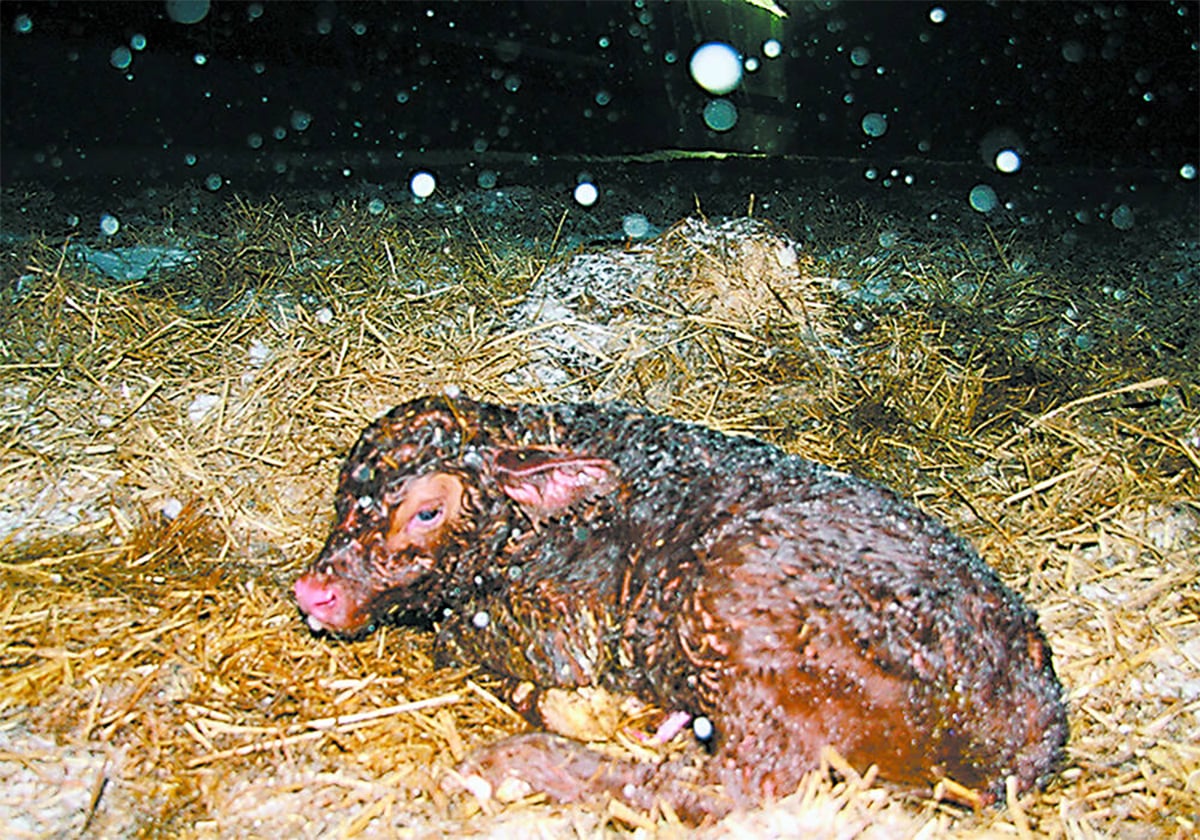
The first time a calf suckles after birth should be regarded as the most important meal that it ever consumes.
I think most cow-calf producers realize that adequate colostrum intake is essential to getting a calf off to a good start.
However, during calving season, it can be easy to let this priority take a back seat to other problems.
Read Also
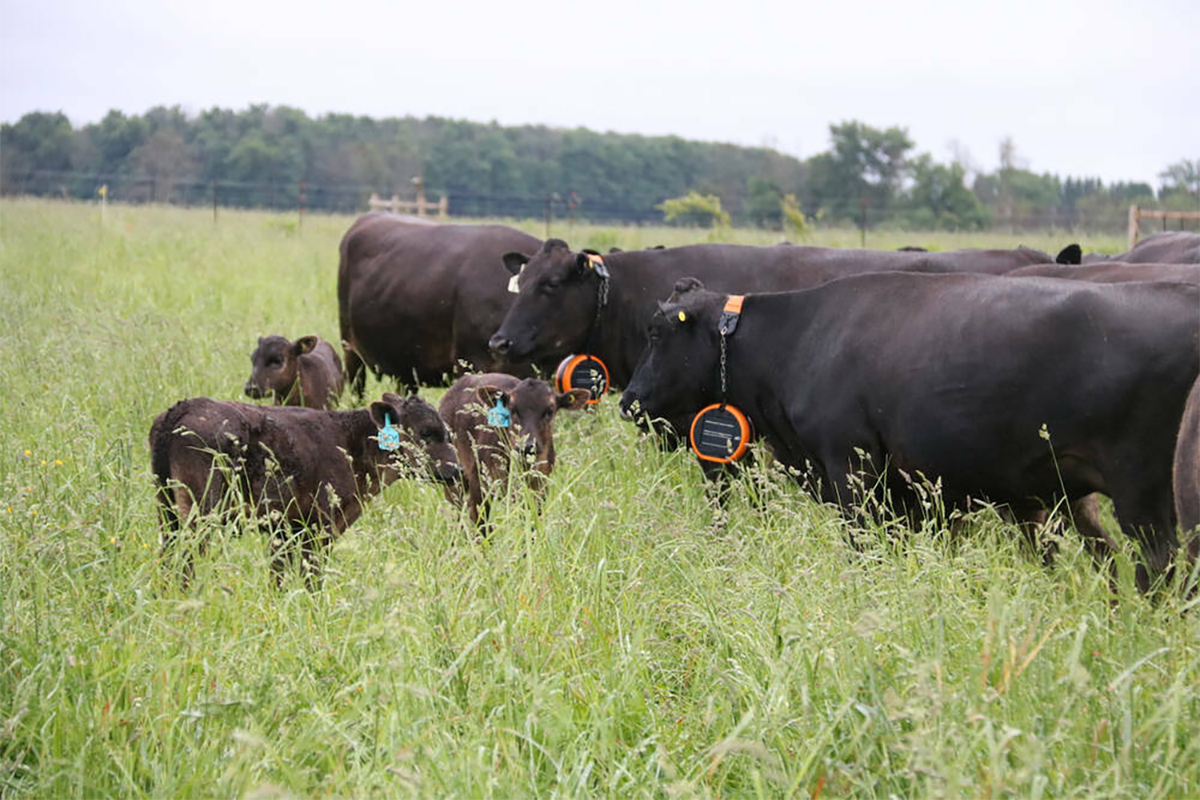
Research pasture expansion to give Manitoba beef sector greater insights
Manitoba beef producers will soon see commercial-scale research insights from the Manitoba Beef and Forage Intiative’s Odanah Pasture, near Forrest following a land donation of 467 acres from Ducks Unlimited Canada.
Several studies in Western Canada have shown that even in well managed herds up to 25 per cent of calves receive less than adequate colostrum at birth.
Newborn calves are born with virtually no immunity of their own. The placenta of the cow does not allow antibodies to pass from the mother to the calf during pregnancy.
This means that the calf must receive its initial immunity from the antibody-rich colostrum, or first mil, of the cow.
This initial immunity is essential in that it provides protective antibodies against many of the diseases that affect newborn calves, such as calf scours, navel abscesses, arthritis and pneumonia.
Even the vaccines we use in cows to prevent scours in calves rely on this passive transfer of immunity in the colostrum.
However, the other components of colostrum are probably more similar to blood than milk. It not only contains important antibodies against infectious diseases but is also rich in fat, energy, vitamins A and D, blood cells and various growth factors.
The calf is only able to absorb these antibodies (also known as immunoglobulins) at a significant level during the first 12 hours of life.
The calf’s gut allows passage of these large proteins into the blood stream immediately after birth. However, by six hours after birth, the gut begins to lose the ability to absorb these antibodies.
Its closure to antibody absorption is a gradual process, but it begins to decline rapidly until complete closure occurs at approximately 24 hours of age.
After the gut closes, the antibodies can still have some local effect within the gut, but they can no longer be absorbed into the bloodstream.
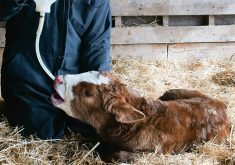
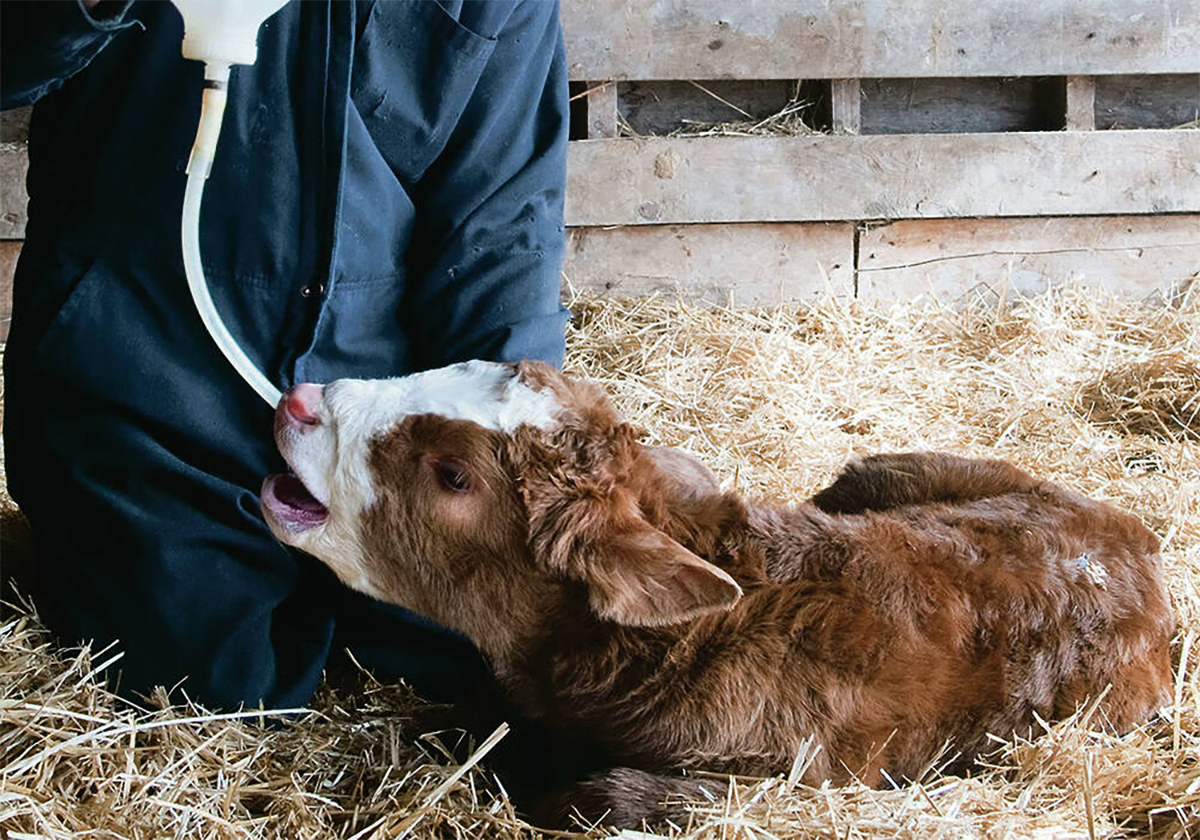
In most cases, calves should be up and nursing within two hours of birth. Calves that don’t nurse within two hours should be identified and either assisted to nurse on the dam or fed colostrum with a bottle or tube.
Calves should receive 1.5 to two litres of colostrum within the first six hours of life and another two litres by 12 hours of life, if they haven’t nursed on their own.
The volume of colostrum needed does depend on the concentrations of antibodies in the first milk of the cow.
Colostrum from cows that produce a lot of milk will tend to have a lower concentration of antibodies because of a dilution effect. Heifers with less milk production will often have more concentrated colostrum.
Obviously, we want calves to get up and suckle on their own and avoid intervening where possible, but this first meal of colostrum is so vital that it is a situation where we need to identify calves early that are unlikely to suckle on their own and intervene prior to six hours of life.
The calves that are at the highest risk of failing to receive adequate colostral immunity are those that have calving difficulties, calves that are abandoned or mismothered and calves that are hypothermic in cold weather.
Pendulous udders and large teats can also make suckling difficult for even vigorous newborn calves.
Calves that don’t suckle should be bottle fed or tubed with 1.5 to two litres of colostrum within the first six hours of life.
When intervention is necessary, the preferred option is to milk the dam and use her own colostrum to feed her calf.
In situations where the cow or heifer does not have an adequate volume of colostrum or can’t be milked for some reason, then we must rely on other sources of colostrum.
Another option is to use colostrum collected from another cow within your own herd.
Take the opportunity to collect colostrum from cows that lose their calves or that have an abundance of colostrum and need to be milked.
The colostrum can be kept in the refrigerator for seven to 10 days to be used for other newborns.
Extra colostrum can also be kept frozen for up to a year.
Frozen colostrum should be thawed gradually in a warm water bath and not heated to a high temperature because the antibodies can be destroyed by high heat.
Another option is to use a freeze-dried colostrum substitute.
Read the label on these products because some are regarded as “supplements,” which do not necessarily have adequate immunoglobulin levels.
Your veterinarian can help to recommend a “replacement” product that will have high enough levels of antibodies to act as a colostrum substitute.
Veterinarians no longer recommend the use of colostrum taken from dairy cows for use in beef calves.
This can introduce diseases to your herd such as Johne’s disease or salmonella, which can have serious long-term consequences.
These diseases tend to be more prevalent in dairy herds and in some cases the colostrum quality may not be as high.
The impact of passive transfer of immunity through colostrum on the health and growth of calves can be quite significant.
A western Canadian study led by Dr. Lisa Gamsjäger and Dr. Claire Windeyer determined that the five per cent of calves that had failure of passive transfer of immunity were almost eight times more likely to be treated for disease than the other calves and were an alarming 18.5 times more likely to die before weaning.
Even the 18 per cent of calves identified that had less than adequate passive transfer of immunity were 10 times more likely to die and had a lower average daily gain on average by .09 kilograms per day or .2 pounds per day.
The overall incidence of mortality in the study was 3.3 per cent, which is very comparable to many other studies.
Ensuring calves get adequate colostrum is an important task at calving time.
Your veterinarian can take a few blood samples from calves between one to seven days of age to assess how well you are doing on your farm.
There are also some great resources online at the Beef Cattle Research Council website entitled Calf 911 that focus on assessing vigour and managing colostrum so that newborn calves can thrive.