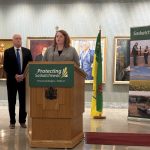

BROOKS, Alta. — The people who will consult on Alberta’s new farm safety policies have been selected, and the 72-member list has been submitted for cabinet approval. That much is known by members of the AgCoalition, a group representing 30 farm, livestock and commodity groups to deal with the controversial Bill 6, or the Enhanced […] Read more

Barb Glen


Stories by Barb Glen
Limiting access part of repair plan for Alta. watershed
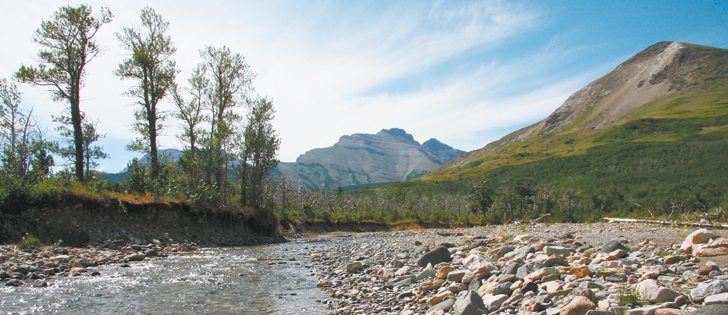
FORT MACLEOD, Alta. — Maps of the roads and trails along the eastern slopes of the Rockies within the Oldman River watershed look no more organized than a plate of spaghetti. Roads made for forestry, oil and gas exploration and transmission lines criss-cross with trails made by campers, off-highway vehicle users and cattle herds. Such […] Read more

Resolving the beefs blocking beef trade
This is part 2 of our three-part series on the Comprehensive Economic and Trade Agreement between Canada and the European Union. Writers from Glacier FarmMedia, which includes The Western Producer, interviewed experts to assess the value of CETA to Canada’s agricultural community.
This is part 2 of our three-part series on the Comprehensive Economic and Trade Agreement between Canada and the European Union. Writers from Glacier FarmMedia, which includes The Western Producer, interviewed experts to assess the value of CETA to Canada’s agricultural community. Stories from Parts 1 and 2 are linked below. John Masswohl found Canadian […] Read more
Poppies still face hurdles
It is another year and another period of wait-and-see in the 10-year effort to grow poppies in Western Canada for the pharmaceutical market. Lethbridge-based API Labs is awaiting federal approval to proceed with this year’s test plots for thebaine-expressive poppies. Managing director Glen Metzler hopes it will come before the seeding window closes. Ideally, test […] Read more

Plant sells livestock feed
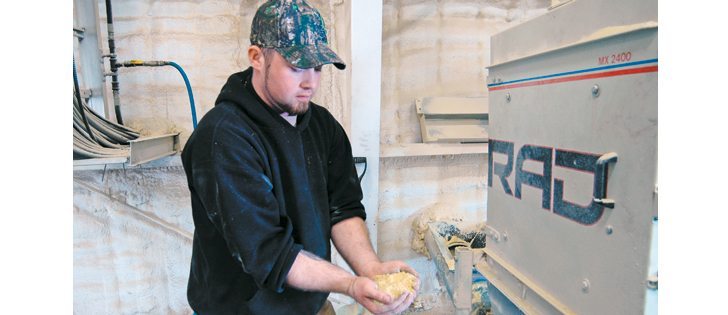
CLARESHOLM, Alta. — When Mike Parsons goes home from his 12-hour shift every night, he smells like popcorn. It is the delicious odour that is produced at Western Soybean Co., the crushing plant where he is the operations manager. Parsons said any pleasure associated with the popcorn smell has long since faded, but he enjoys […] Read more
Soybeans crushed in Alberta
CLARESHOLM, Alta. — It stands in plain sight along Highway 2 south of Claresholm, but the existence of Western Soybean Co. does not seem well known among Alberta farmers. Owned by the Granum Hutterite Colony, the facility has been buying soybeans, crushing them and selling the meal since June 2015. Joel Tschetter, a part owner […] Read more
Alta. RMs vote to halt GM alfalfa at border
Alberta’s rural municipalities association passed a resolution last week aimed at preventing the in-troduction of genetically modified alfalfa to the province. A resolution to that effect, brought forward by the County of Northern Lights, passed with a reported 59 percent in favour during the Alberta Association of Municipal Districts and Counties’ spring convention. It will […] Read more
Alberta ranch gets U.S. beef production stamp of approval
A cattle ranch near Nanton, Alta., recently became one of 15 in Canada to be deemed animal welfare approved by a U.S.-based organization. Trail’s End Beef, operated by Rachel and Tyler Herbert, has also been “certified grass-fed” by the same organization, one of 11 with similar designation in Canada. “For us, especially since we’re going […] Read more
U.S. posts strong sales in dried distillers grain
High prices are likely making the byproduct of ethanol production too expensive for many Canadian livestock feeders
Exports of dried distillers grain from the United States broke records last year, topping 12.56 million tonnes. It was an 11 percent increase over 2014. Canada accounted for four percent of that total, and American marketers think they can expand the percentage given the right price and quality options. The low Canadian dollar has discouraged […] Read moreBison seen as biggest benefactor
Canadian producers came to understand the folly of overdependence on one market when BSE was discovered in Canada in 2003 and the United States closed its borders to cattle and beef. That message was further solidified when the U.S. imposed country-of-origin labelling, which again reduced marketing opportunities across the border. The portions of COOL that […] Read more