

BANFF, Alta. — Thirty-five years ago, animal welfare considerations led to sows being housed in gestation stalls. Sows received individual care, there was no fighting among them and more live piglets were produced compared to previous production methods. Today, views on animal welfare have changed and hog producers have to comply with them, said Dr. […] Read more

Barb Glen


Stories by Barb Glen
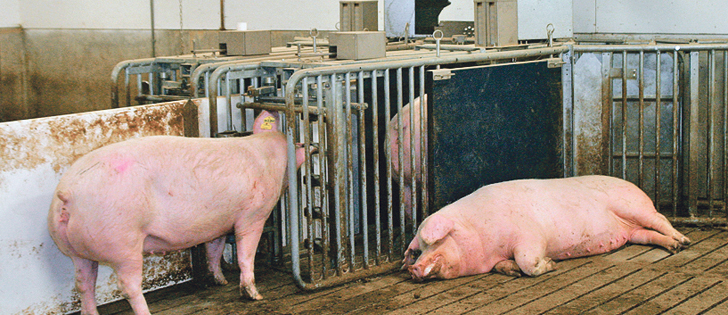
Start hog housing transition at ground level, says expert
BANFF, Alta. — There are pitfalls when converting sow barns to open housing systems, and producers can learn from those who have already trodden the path. Canadian sow barns that haven’t yet converted to open sow housing are mandated to do so by July 2024, as required in the code of practice for the care […] Read more
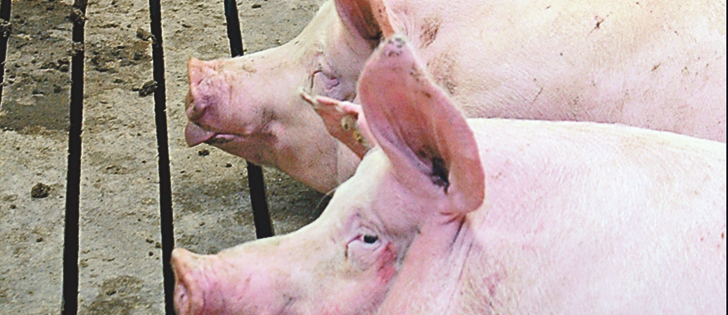
Open sow barns need good people in place
Moving from pen gestation barns to open housing raises the bar in terms of skills needed by the ideal manager
BANFF, Alta. — Think like a pig. And a single word for thinking like a pig, at least in an open sow barn setting, is stockmanship. Dr. Tom Parsons was a hog farmer before he became a veterinarian and professor in swine medicine at the University of Pennsylvania. He told those at the Banff Pork […] Read more
Cattle TB investigation nears end
The bovine tuberculosis discovery and investigation that became a nightmare for southeastern Alberta ranchers may be coming to a wakeful end. Officials with the Canadian Food Inspection Agency, which is in charge of the investigation and eradication of the disease, said Feb. 3 that no new cases have been found beyond the original six animals. […] Read more
Lethbridge County head tax reaches court
Lawyers for Lethbridge County and a group of southern Alberta feedlot owners made their cases in Alberta Court of Queens Bench Feb. 3 to defend and dispute the validity of a county business tax and special tax levied in 2016. The bylaws allowing the levies imposed a $3 per animal unit tax on livestock producers […] Read more
Checking that special box: important to admit to farm visit
BANFF, Alta. — The statement and the yes/no box on the Canada Border Services Agency form stares up at travellers entering or re-entering Canada: “I/we have visited a farm and will be going to a farm in Canada.” If the answer is yes, check the box, says swine veterinarian Dr. Chris Byra, who manages the […] Read more
Electronic body condition scoring more economical
A team of University of Alberta students has concluded that a new electronic body condition scoring system can be beneficial and economical for dairy farmers. Animal science students Heather Coates, Jesse Emery, Camila Hurtado and Cathryn Thompson undertook analysis of the DeLaval 3D automated scoring system and compared its cost to that of manual body […] Read more

Soybeans attracting attention in Alberta
Lethbridge-based Agriculture Canada researchers are stepping up their interest in soybeans as the crop’s popularity grows in Alberta. Frank Larney and other scientists are examining row spacing, plant densities and nitrogen benefits that soybeans offer to the subsequent crop. However, they have only one year of data from two sites and further research continues. Early […] Read more

Weather data can provide valuable farm advice
Hindsight has its benefits, but foresight, when it comes to weather and crops, would be even better for farmers. That’s hard to come by, said Dan Heaney of Farmers Edge, but existing weather data does have plenty of information on probability, and that can pay off. He told those at Agronomy Update in Lethbridge Jan. […] Read more
Pulse industry eager to expand acres in Alberta
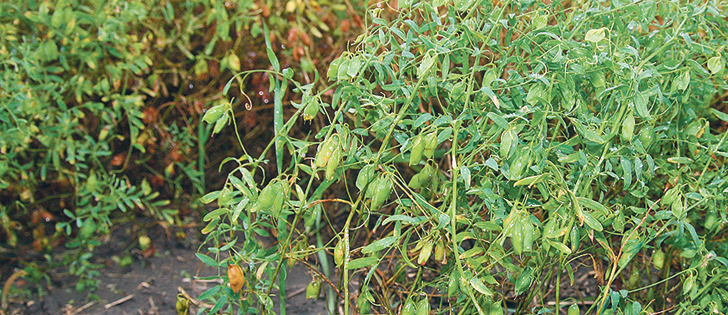
Three million acres of pulse crops grown annually in Alberta is a goal well within reach, says an Alberta Agriculture pulse crop specialist. Mark Olson believes growers are already 75 percent of the way there, based on the 2.4 million acres planted to beans, peas, lentils and fababeans in the province in 2016. “I’m confident […] Read more