

The first step toward recovery in substance abuse treatment programs is for patients to admit they have a problem.
But for some reason, farmers have a hard time accepting that they have a problem with glyphosate resistance, said Jeff Stachler, a North Dakota State University weed science professor.
Stachler, who spoke at Manitoba Ag Days in Brandon last month, said glyphosate resistance was first discovered in 2007 in North Dakota’s Red River Valley between Grand Forks and Fargo, when a grower found resistant common ragweed in a field of soybeans.
Read Also
Strong Turkish durum crop could boost exports
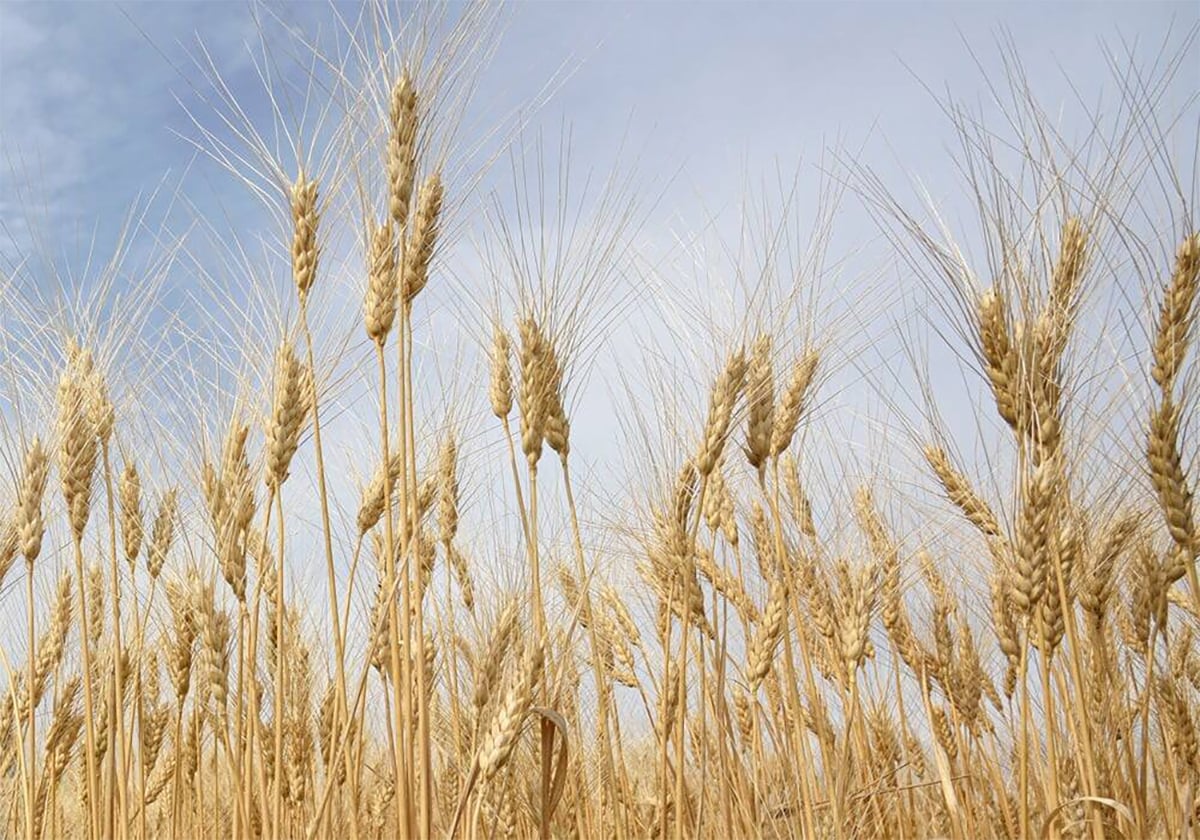
Turkey has a big durum crop on the way and could be competing with Canada again in the export market.
By 2010, glyphosate tolerant ragweed had spread to 25 to 40 percent of the soybean fields in Traill County and is now present in Cass County, which surrounds Fargo.
Minnesota also has widespread problems, including common ragweed resistance in 50 to 95 percent of all acres in Clay County near Moorhead,.
However, Stachler said North Dakota growers still can’t accept the concept of glyphosate resistance on their land.
Instead, they assume weeds survived a glyphosate application because they made a mistake.
“Did I mess up with my application? Did I not put enough on? Did I not do it at the right time?” are questions growers ask, Stachler said.
“What other application parameters got in my way, that allowed these (weeds) to survive?”
He said this reluctance is partially the result of growers confusing resistance and tolerance.
“Tolerance is no change in response to the herbicide over time. You didn’t get control from day one, or very little control (for a particular species of weed)…. But it’s responding the same today as it did five to 10 years ago,” he said.
“With resistance, you saw perfect weed control in the beginning and you’re really seeing a change in response over time to the herbicide…. That’s what gets growers confused…. They see these plants, severely injured or somewhat injured … and they’re blaming it (a non-kill) on other reasons.”
Stachler and his colleagues have posted videos on the NDSU website with tips on how to recognize glyphosate resistance.
One sign is when a single weed species is present in a field, especially late in the growing season. Another is when individual plants respond to a glyphosate application in different ways, from dead to minimal injury to no injury.
Western Canadian growers also remain stuck in the denial phase, despite the reality that glyphosate resistance probably already exists on the Canadian Prairies, Stachler said.
“In canola, it’s still amazing to me that you guys don’t have more problems.”
Hugh Beckie, an Agriculture Canada specialist in herbicide resistance plants, said Stachler could be right.
“It’s hard to say if Jeff is correct or not … but right now we just don’t have any evidence that there is glyphosate resistance.”
Agriculture Canada conducts weed surveys in Manitoba, Saskatchewan and Alberta, said Robert Blackshaw, an Agriculture Canada weed scientist in Lethbridge.
“We look for weeds, and if it is surviving in the field, we’ll collect seed and grow them out in the greenhouse. Then spray them with different herbicides.”
Weed scientists in Canada are also educating producers about glyphosate resistance, Beckie said.
Last spring they launched a website called weedtool. com, an assessment tool with 10 questions for producers. Based on responses, a grower can determine the risk, from low to high, of developing glyphosate resistance on a particular field.
“We hope that growers use it and if they are at high risk, they change their behaviour accordingly,” Beckie said.
Glyphosate resistance encroaching on the Prairies:
•Common ragweed resistance discovered in North Dakota in 2007. Researchers suspect there are fields with waterhemp resistance
•Resistance typically costs affected North Dakota growers $10 to $30 per acre to buy additional herbicides for weed control
•Minnesota has multiple counties with resistance to common ragweed, giant ragweed and waterhemp
•Resistant giant ragweed found in Ontario in 2010
•Glyphosate resistant kochia confirmed in Kansas in 2010
•Due to its emergence pattern and biology, Agriculture Canada scientists believe kochia is the weed most likely to develop resistance on the Prairies
•Other weeds likely to develop resistance on the Prairies include wild oats, green foxtail and cleavers
Sources Agriculture Canada and North Dakota State University