

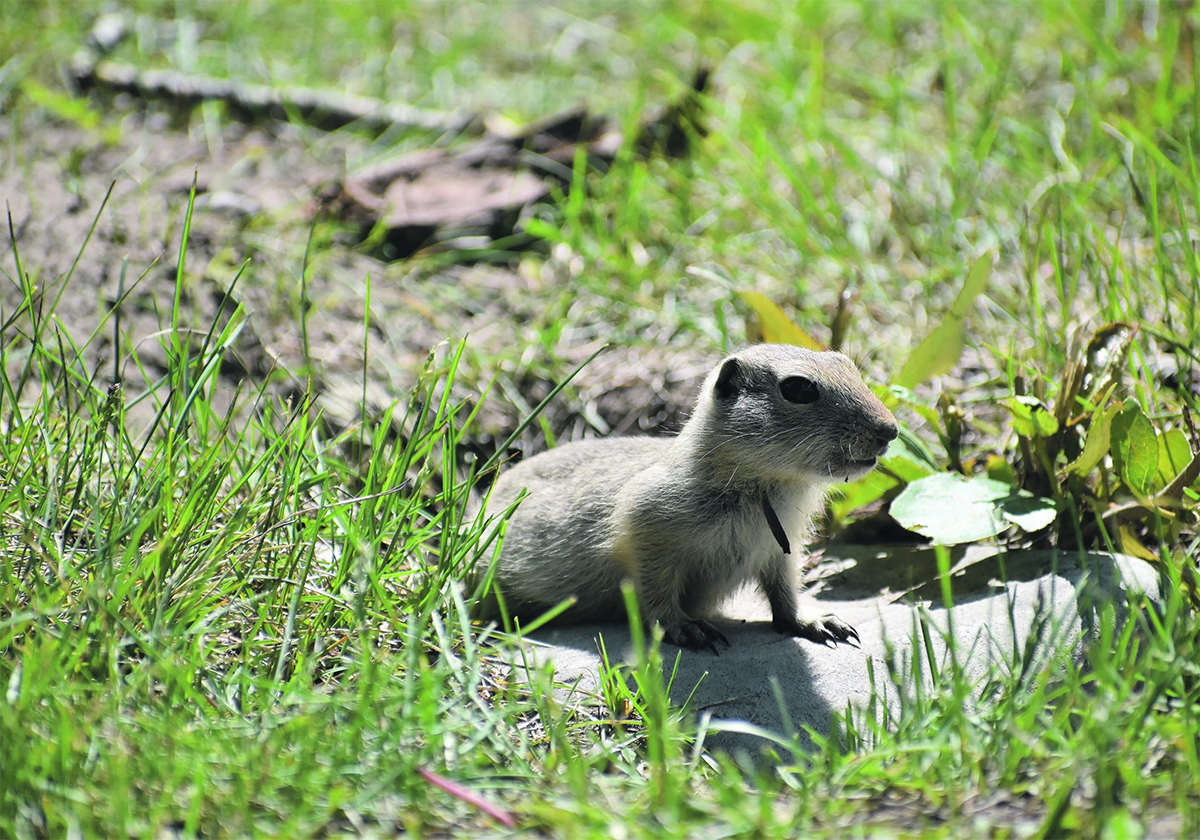
REGINA — More Saskatchewan farmers will have access to strychnine for gopher control after federal authorities approved an expanded distribution area.
Provincial agriculture minister David Marit said the province last week requested more rural municipalities be eligible under the emergency use registration, and the Pesticides Regulatory Directorate, formerly Pest Management Regulatory Agency, agreed.
Now, 208 RMs in 15 crop districts across the south and west can obtain two per cent liquid strychnine when it’s available later this spring.
Read Also
Industry shares its thoughts on agriculture policy
At last month’s Agricultural Producers Association of Saskatchewan Policy Summit, various industry heads brought forward ideas that they wanted producers to consider for the agriculture sector’s Next Policy Framework .
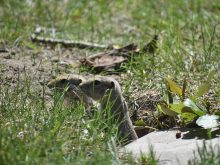
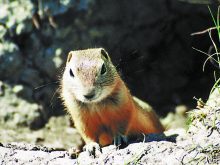
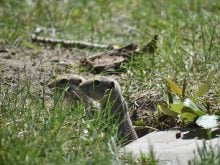
Why it Matters: Richardson’s ground squirrels, more commonly called gophers, cause extensive damage to crops and pastures. Landowners say the alternatives to strychnine, which was phased out several years ago due to concerns over secondary poisoning, don’t work as well.
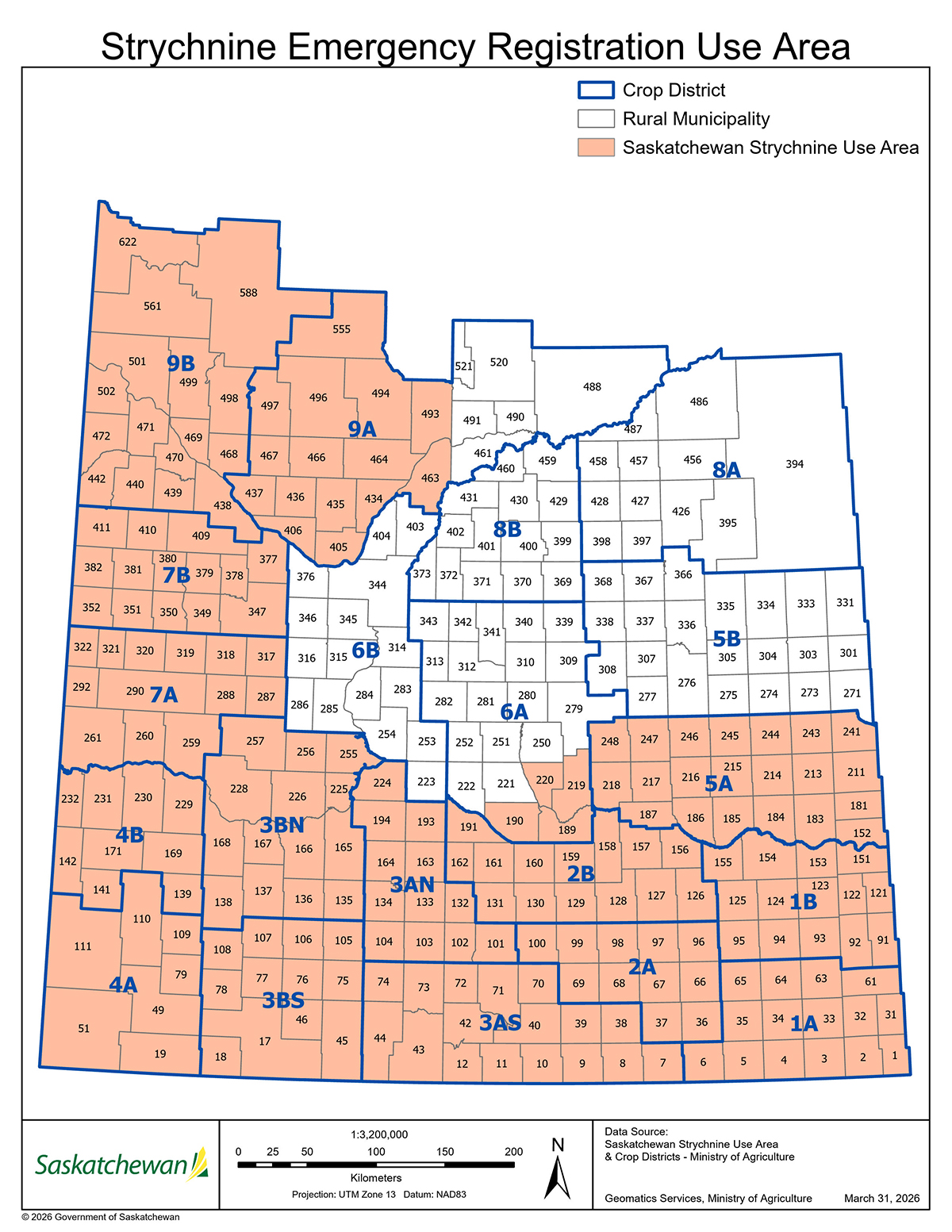
The emergency use registration granted earlier to portions of Saskatchewan and Alberta is in effect until November 2027. Producers can use the poison only during certain time periods, and for this year a late summer application is expected. The registration requires measures to protect species at risk and include monitoring and carcass collection and disposal, and mandatory training.
Saskatchewan is currently developing a stewardship program with the Saskatchewan Association of Rural Municipalities, which is expected to distribute the strychnine through local offices.