

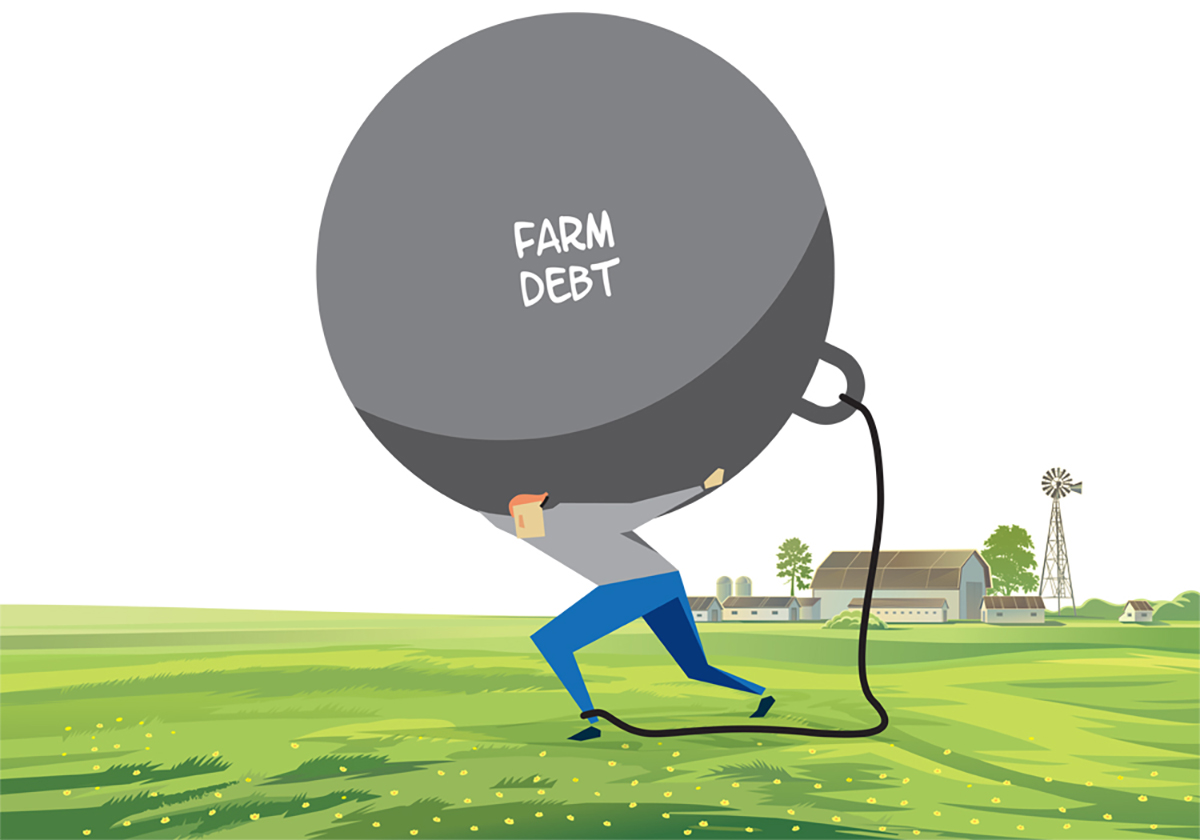
According to farm income information released Nov. 26 by Statistics Canada, farm income dropped while farm debt saw a big increase from 2023 to 2024.
Whether debt levels are a concern depends on how you look at it and how the future unfolds.
Realized net income for Canadian farmers, excluding cannabis, was $9.7 billion in 2024, down 23 per cent compared to the previous year.
Read Also
Croptimistic’s SWAT Cam maps one million acres in Western Canada
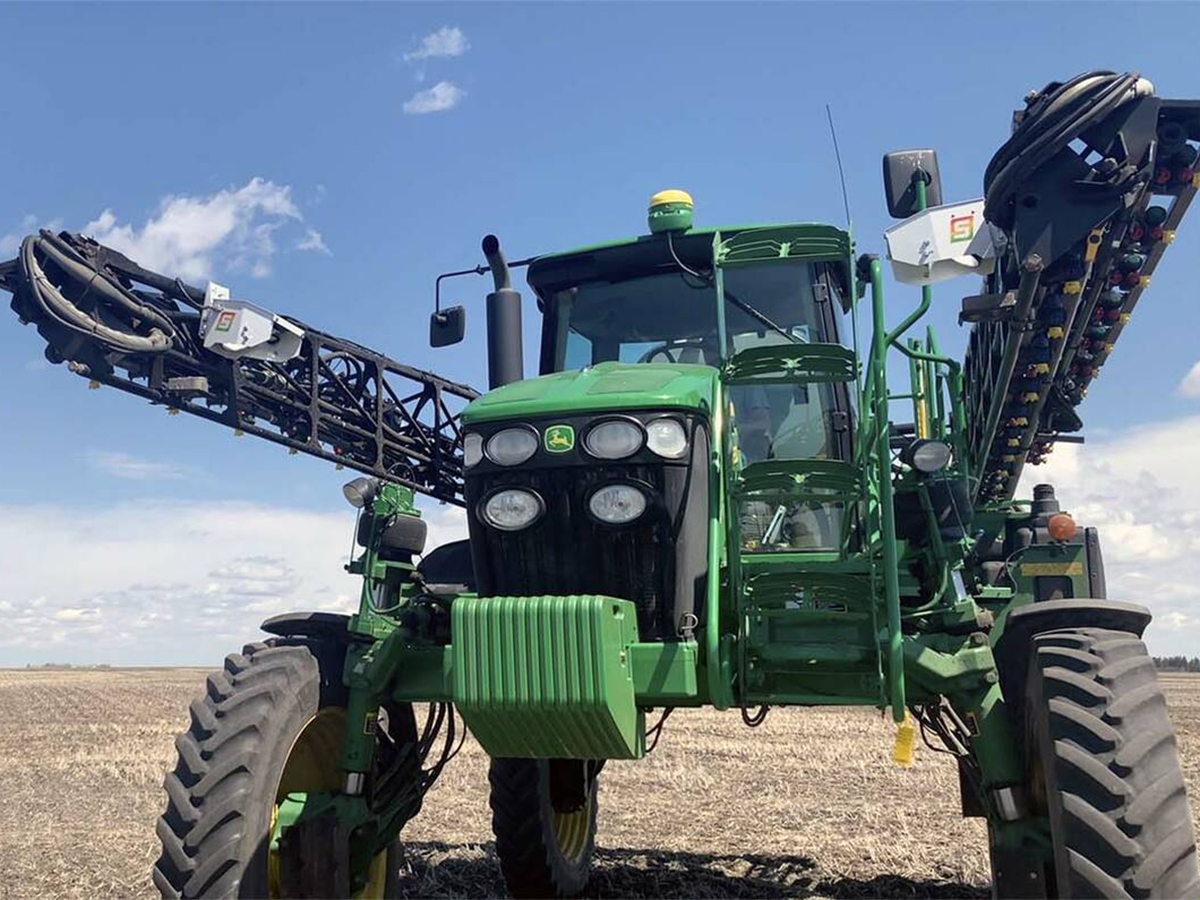
Croptimistic’s SWAT Cam has mapped more than one million acres, using sprayer-mounted cameras to generate crop and weed maps that support in-season analysis and future management decisions.
Saskatchewan posted the largest decline of any province, dropping $1.3 billion. It should be noted that the decline comes after a number of very strong years for farm income.
Saskatchewan was hit the hardest because its farm income is so heavily reliant on the crops sector, which has seen a drop in grain prices and rising expenses. The national numbers would look far worse if not for the strength in the livestock sector, particularly beef.
Most analysis will concentrate on the farm income and expense numbers, but of course, this is rearview mirror information. We still don’t have the full picture on how 2025 will stack up, and as always, the future is difficult to predict.
It is interesting, however, to examine trends, and one long-term trend is the ever-increasing level of farm debt. It’s concerning that interest expenses as a share of total operating expenses are on the rise.
Back in 2015, interest expenses were 5.9 per cent of total farm expenses. By 2020, that had climbed to 7.3 per cent. In 2023, the percentage was 9.2, and in 2024 interest expenses accounted for 11.5 per cent of total operating expenses.
As farmers, we most often raise concern over fertilizer costs, canola seed costs and the cost of equipment repairs.
Interest charges are now becoming a bigger issue, but that expense isn’t common to all producers. Some have little or no debt. Others are maxed out with their borrowing. Most are somewhere in between.
Of course, interest payments are a function of interest rates as well as debt levels, and debt levels are steadily increasing.
In 2023, Canadian farmers owed a total of $146 billion. In 2024, that had jumped to nearly $167 billion. In Saskatchewan, farm debt increased from $21.5 to $24.4 billion.
Across the country in 2024, chartered banks held 39 per cent of the farm debt, followed by federal agencies, mainly Farm Credit Canada at 27 per cent and credit unions at 15 per cent.
The numbers are a bit different in each province, some of which have their own lending agencies.
In Saskatchewan, federal agencies are the biggest debt holder at 39 per cent, followed by chartered banks at 23 per cent and credit unions at 19.
While some observers point to rising farm debt levels as a concern, others point out that debt is just keeping pace with the total value of farm capital, which in Canada increased from $855 billion in 2023 to $912 billion in 2024. About 88 per cent of farm capital comes from land and buildings.
For many years, as land values have steadily escalated, equity in the land has increased, even if a large percentage of the purchase price was borrowed money.
If land prices begin to stagnate or even decrease in some areas, balance sheets will take a beating.
The numbers also show how even a modest interest rate increase would balloon the interest expense category.
Are farm debt levels a problem? Probably not for most producers, at least not at the current time, but it’s a statistic to watch.