
First, We Eat is a biweekly observation and celebration of food, cooking and food’s place in our lives.
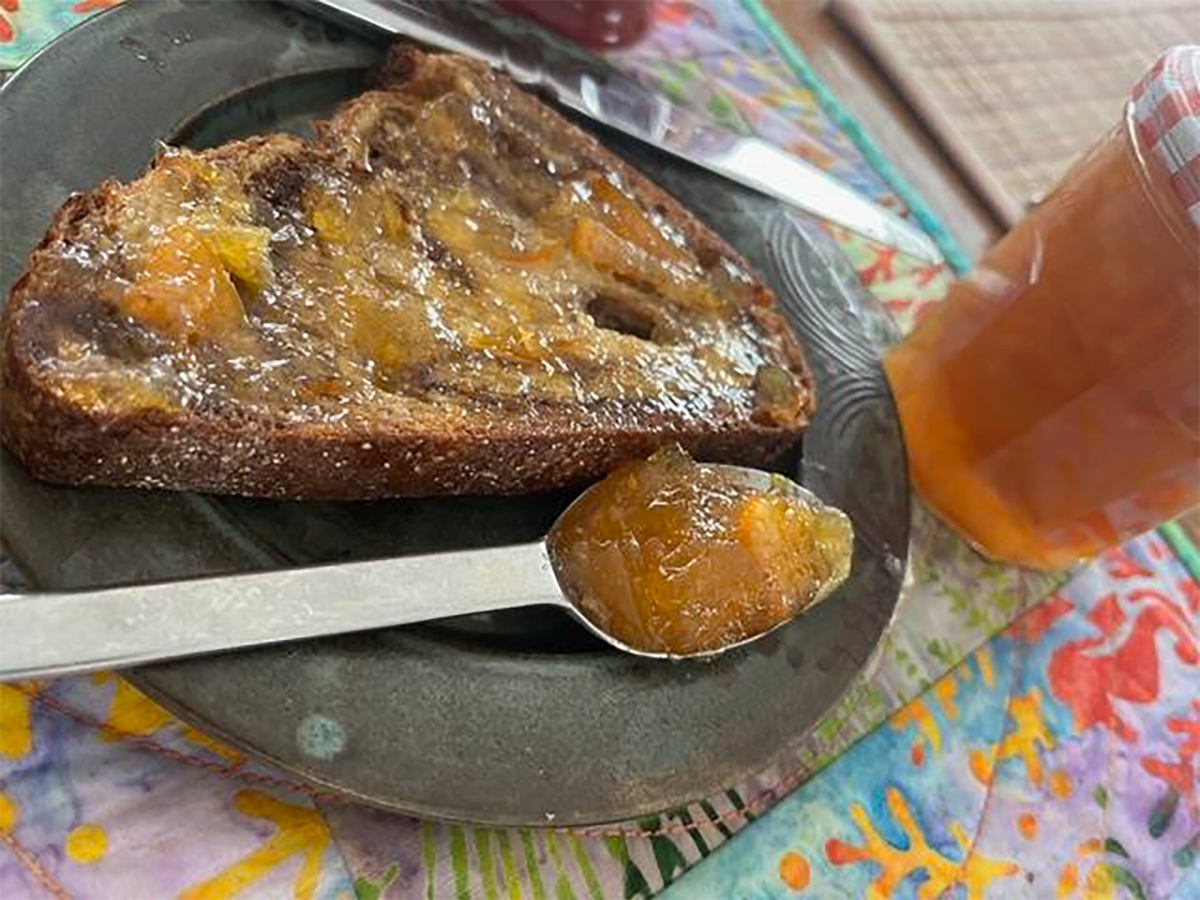
Admittedly, late winter is not prime jam-making time, but it is the ideal window for making marmalade.
Armed with a basket of citrus from everywhere but the U.S., I set out to improve my marmalade making skills. Bitter, assertive, astringent and containing few ingredients, marmalade is surprisingly complicated to make. I have never quite reached my mother-in-law’s stellar results: a slightly-caramelized-burnt-but-bitter Seville marmalade. I’ve tried many techniques and all kinds of citrus. Seville oranges are increasingly rare where I live, so I use Cara Cara tangelos, tangerines, grapefruit, navel and blood oranges, and Meyer lemons.
Read Also

Economic indicators your farm should keep an eye on
Part two in a series exploring the factors influencing farm growth in an era of economic volatility.
Today’s experiment originated with the complex flavour blends from Sophie Kaftal and Bobby Zielinski’s cookbook, Kitten and the Bear: Recipes for Small Batch Preserves, Scones, and Sweets from the Beloved Shop. This collection received gold in the single-subject category at the 2025 Taste Canada Book Awards. The recipe mix is a smart pairing: if you make jam, you need something to serve it on.
Kitten and the Bear is sure to be appreciated by meticulous cooks and bakers who like a little science on the side of their jams and scones. Science and method show up early in the book’s discourse on jam making: sugar concentrations, techniques to control outcomes, main ingredients (sugar, fruit, acid), flavourings, and then a step-by-step how-to guide.
The art of preserving takes up two-thirds of the pages, and baked goods and beverages round out the book. Recipes are subdivided by fruit types: berries, stone fruit, tree fruit, citrus, tropical, vine and other. Each is thorough, detailed and slow-moving; don’t expect to dash through the recipes without a cup of tea or glass of port at your elbow. I can report that the orange-whisky marmalade is top-tier, and the scones are impressive, too.
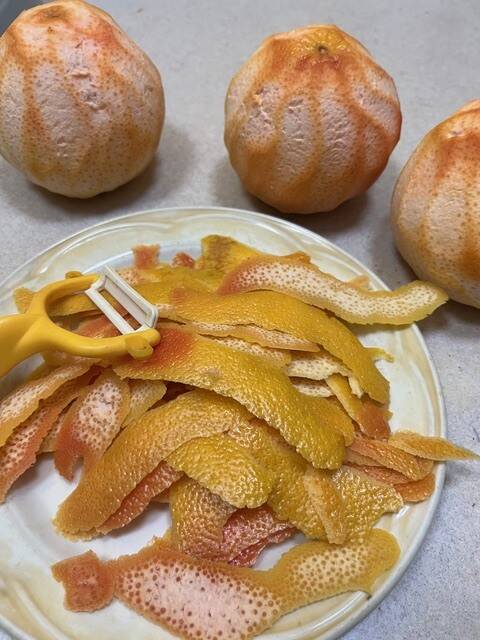
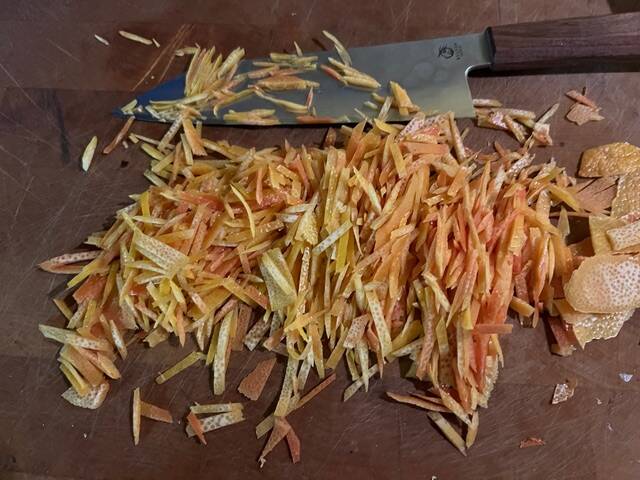
The pink grapefruit and raspberry “jamalade” requires dextrous knifework, time and patience. I stripped the coloured rind, or zest, off three grapefruits, then removed the pith and finely julienned the zest.
Next, I cut out the segments, called supremes (a reference to the French practice of removing the “tender” or “supreme” of a chicken breast for separate cooking), then squeezed and reserved any juices left in the membranes. The zest soaked in water while the supremes and juice macerated in sugar.
I then triple-blanched the zest before combining it with the supremes, raspberries and sugar to cook into “jamalade.” The result is more jam than marmalade, the grapefruit’s brassiness toned down to background mystery.
I’ve flagged dozens of preserves to make this summer. Really, just how many jars of plain red berry jam do I want to consume in my lifetime? I’ll be making dark cherry, plum and cocoa jam for sure when cherries are in season and the Okanagan fruit truck arrives at the farmers market.
Flavours beyond fruit add jazz to these jams. Herbs such as rosemary and lemon thyme; spices such as vanilla, cardamom, cinnamon, garam masala and chai blends; plus flowers (elder blossoms, roses, lavender, violets); spirits (Scotch, cassis, crème de violette, crème de cacao, amaretto); and the unexpected (tea, cocoa) create sophisticated flavours that offer a change from the ordinary.
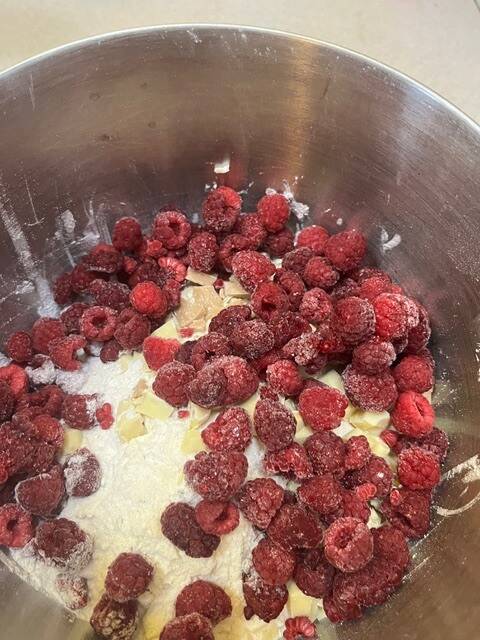
The scones require deep chilling in the freezer and are baked from frozen, which doubly justifies their labour as a “ready when you are” pantry stocker.
Observe measurements and methods closely. I decided — prematurely and wrongly — that the signature buttermilk scone dough was too dry, so I upped the buttermilk, then I added white chocolate frozen raspberries and decided to not chill the dough. Wrong, wrong.
The apple fritter scones with maple glaze are simply delicious but too big, so I cut the raw dough into 16 rectangles instead of nine.
The rest of the tea-party-worthy baking is interesting: a tropical take on Victoria sponge, persimmon pull-apart bread, spelt digestive cookies, clotted cream and potato quiche, and galette filled with shallots, figs and blue cheese. Riches, riches. This is a book worthy of your “active and in use” shelf.
First, we cook, then we trade notes on failed versions of marmalade.